In brief
Berlin’s city council has set a demolition bid for a surviving bunker of Adolf Hitler’s New Reich Chancellery, sparking a heated debate between housing officials and heritage advocates. Housing Senator Christian Gaebler argues the structure should be removed to make way for new flats, warning that the site could become a pilgrimage point for those fascinated by Nazi history. In contrast, Dietmar Arnold, chairman of the Berlin Underworlds Association, decries the plan as “absolute madness,” urging the site be converted into a museum and memorial in partnership with the Holocaust Museum. The Berlin State Monuments Council has also voiced concerns, noting the bunker’s historical significance and the need for a thorough preservation assessment.
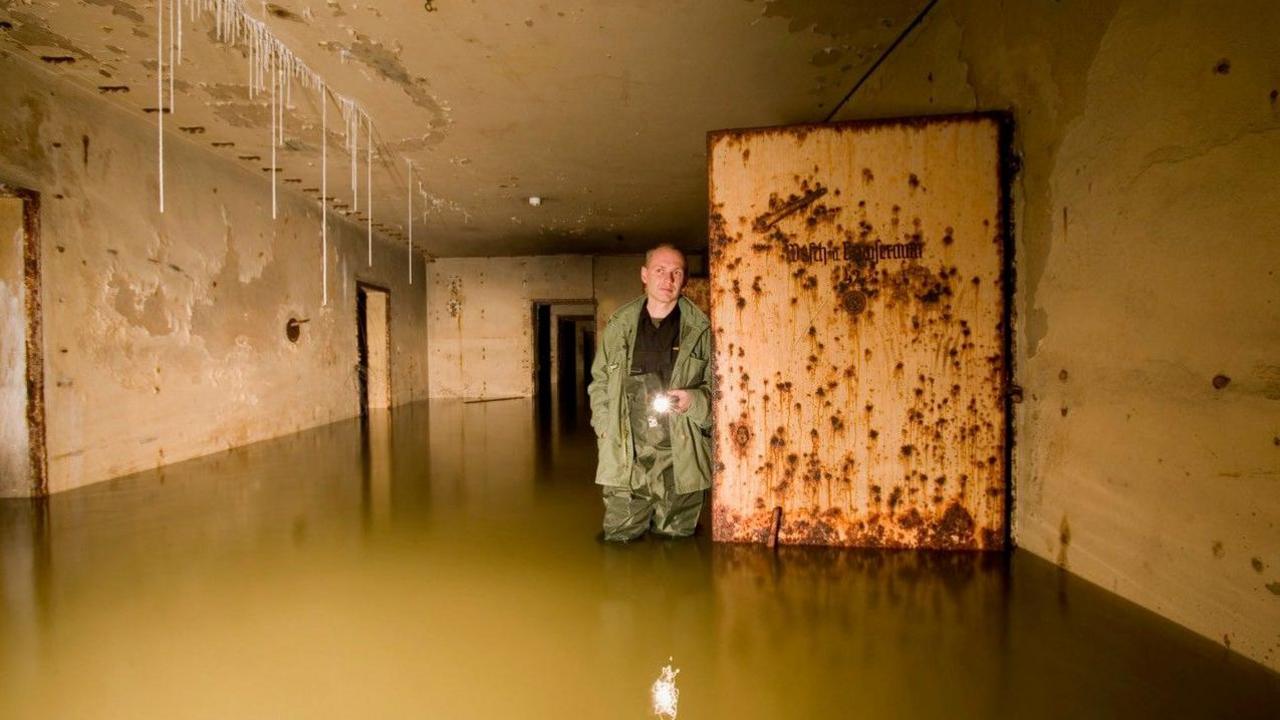
Berlin is set to demolish one of the last physical remnants of Adolf Hitler’s power centre – the bunker beneath the New Reich Chancellery.
Constructed by architect Albert Speer, the chancellery was largely destroyed by Soviet forces in 1949. In recent months, Berlin’s Housing Senator Christian Gaebler (SPD) announced plans to tear down the bunker to build new residential and office space. He argues the site could become a “pilgrimage” for those fascinated by the past and that there is no need to preserve it.
These remarks have been met with strong opposition. Dietmar Arnold, chairman of the Berlin Underworlds Association, has called the demolition a case of “absolute madness.” He insists that the bunker – a key part of the Nazi war machine and a late‑war hospital – deserves preservation and proposes converting it into a museum and memorial in partnership with the Holocaust Museum.
Arnold highlighted that the bunker, which covers about 1,200 sq m (12,900 sq ft), features walls and ceilings 1.7 m (5.6 ft) thick and remains structurally intact. He believes that it could even support new construction atop it, negating the need for a complete demolition.
The Berlin State Monuments Council has also expressed concerns. In a 2025 statement, they criticized the demolition plans, emphasizing the bunker’s “significant historical value” and urged a comprehensive assessment of its heritage status.
As construction proposals move forward, debates continue around heritage preservation and the future use of this historically charged site.
Source: BBC News, Berlin , 30 June 2026