Four Renoir Masterpieces Stolen From French Museum Amid Rising Art Heist Wave
Local authorities in Cagnes‑sur‑Mer reported that workers arriving at 5:48 a.m. found the museum’s alarm triggered and the building locked from the inside. Within minutes, police, guided by CCTV footage, entered the fence and discovered two of Pierre‑Auguste Renoir’s works missing from the display wall.
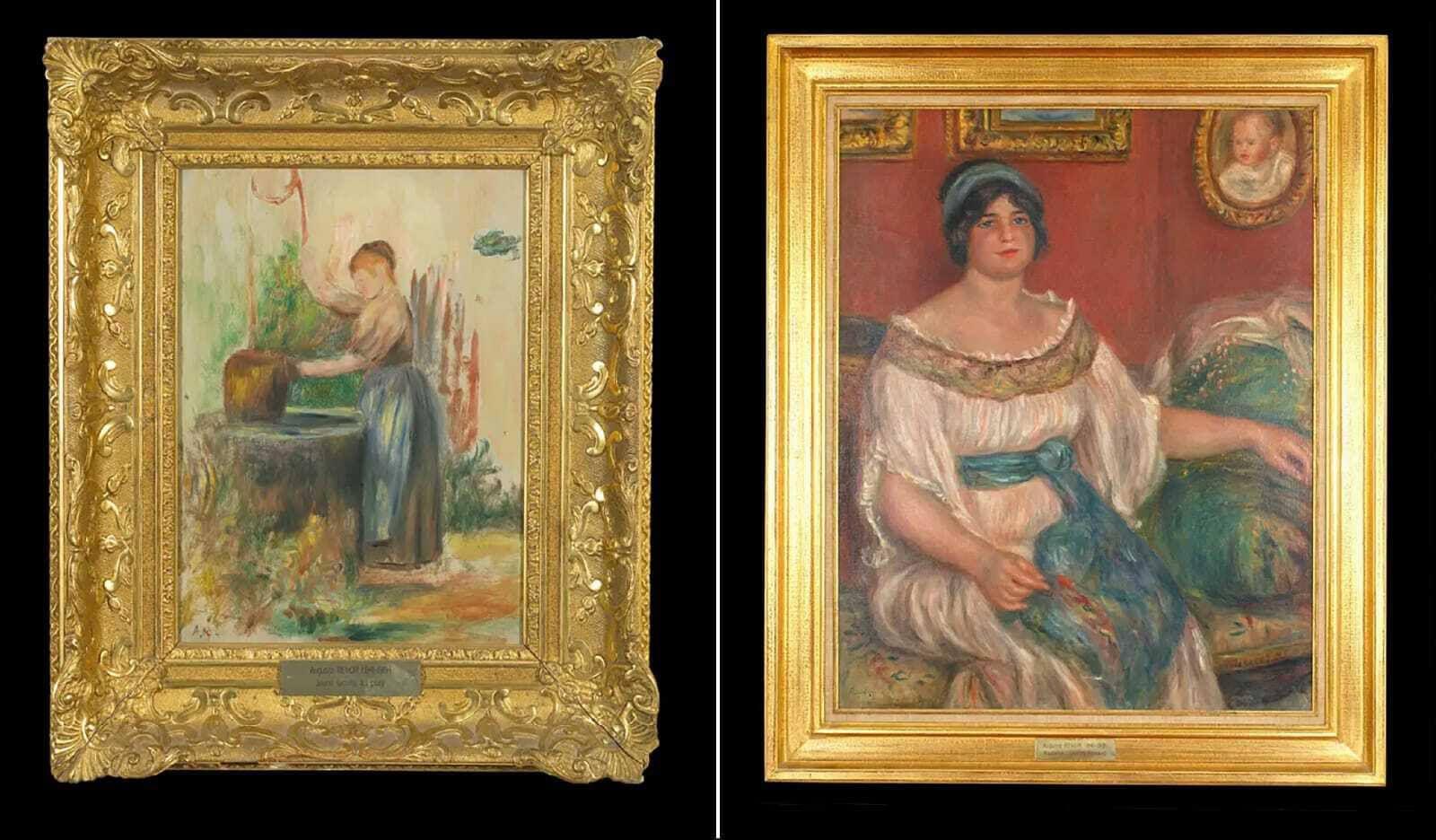
The thieves, described by Mayor Bryan Masson as “well‑equipped and well‑informed”, cut through a fence gate and used an electric knife and hacksaw to pry away frame brackets. They fled the premises and left the paintings, “Portrait of Madame Colonna Romano” (1910) and “Jeune fille au puits” (1886), dropping them into the museum’s garden. Police found both items hours later, but the heist still leaves a void of four masterpieces – two seized and two recovered.
Each of the missing Renoir works was valued at approximately €9 million (€10.4 million, $10.4 million). The incident follows a wave of European museum thefts, including an earlier June raid in Sicily that stole four Renaissance paintings, and a high‑profile Louvre jewellery heist that shortlisted France’s crown jewels last October.
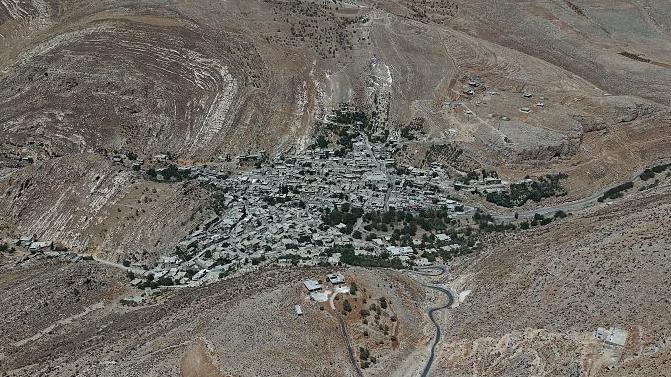
The Musée Renoir houses twelve of the artist’s pieces and is a symbol of his legacy, having been his last home before his death in 1919. The theft has highlighted the vulnerability of cultural sites, prompting Mayor Masson to call on the French government for increased funding and improved security technology to safeguard heritage sites across the nation.
Recovered Works
- Portrait of Madame Pichon (1895)
- Coco Lisant (1905)
Missing Works
- Portrait of Madame Colonna Romano (1910)
- Jeune fille au puits (1886)
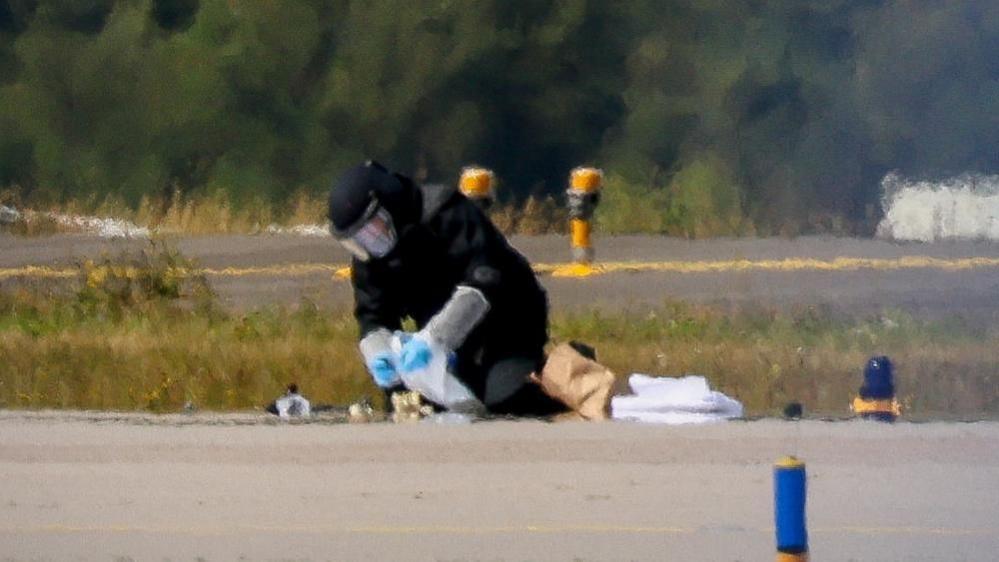
Police investigators have recovered two zip‑up bags at the theft scene – potential clues to the perpetrators’ identities. The mayor emphasised that the attackers wore helmets, gloves, combat gear, and were carrying specialised tools, indicating a level of professional preparation.
The museum, which opened in 1960 and has long contained Renoir’s own easel and wheelchair, has now regained two of the four valuable paintings but remains an open case. The incident raises urgent questions about the protection of priceless heritage in an era of increasingly organized, high‑tech crime.