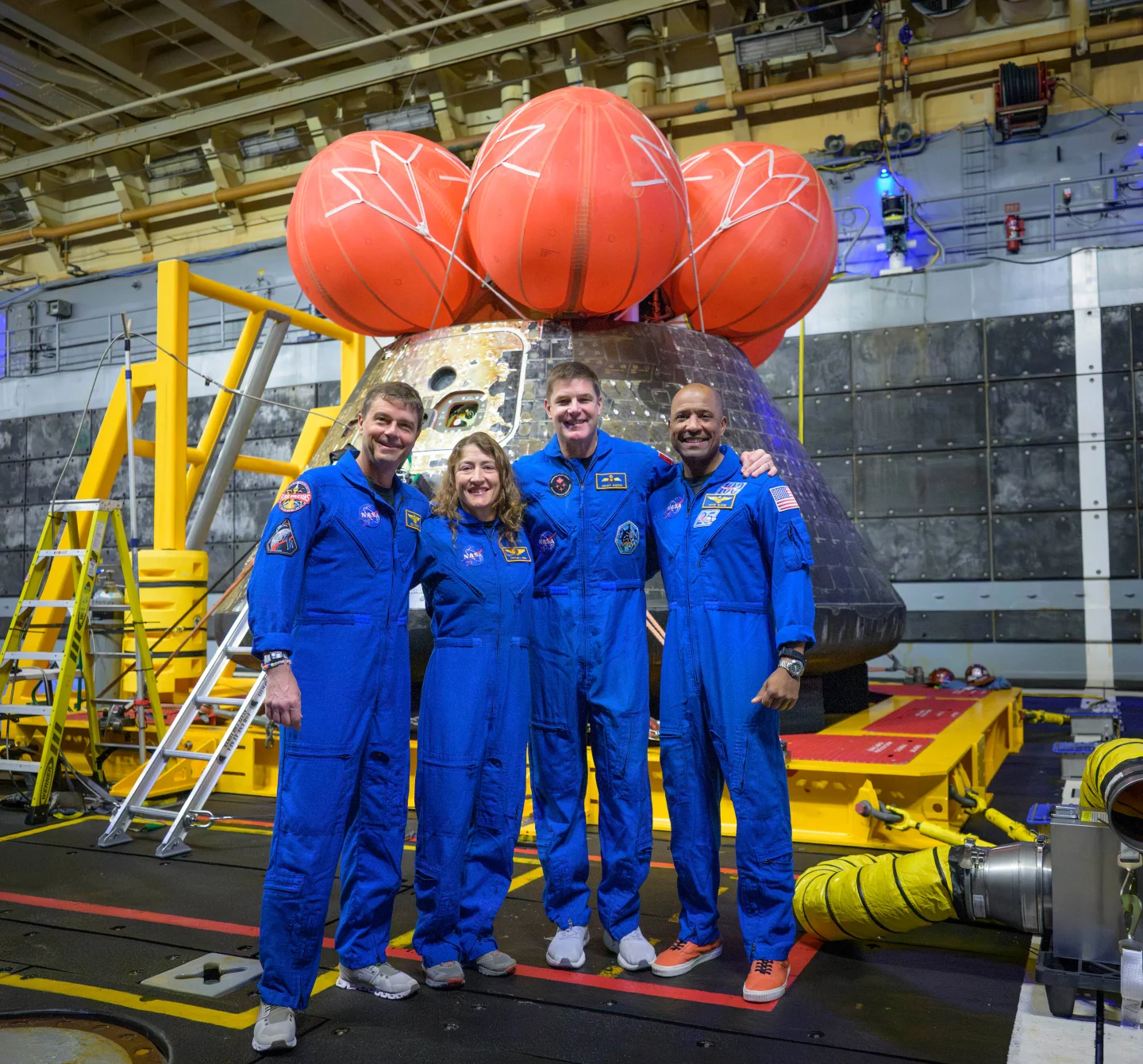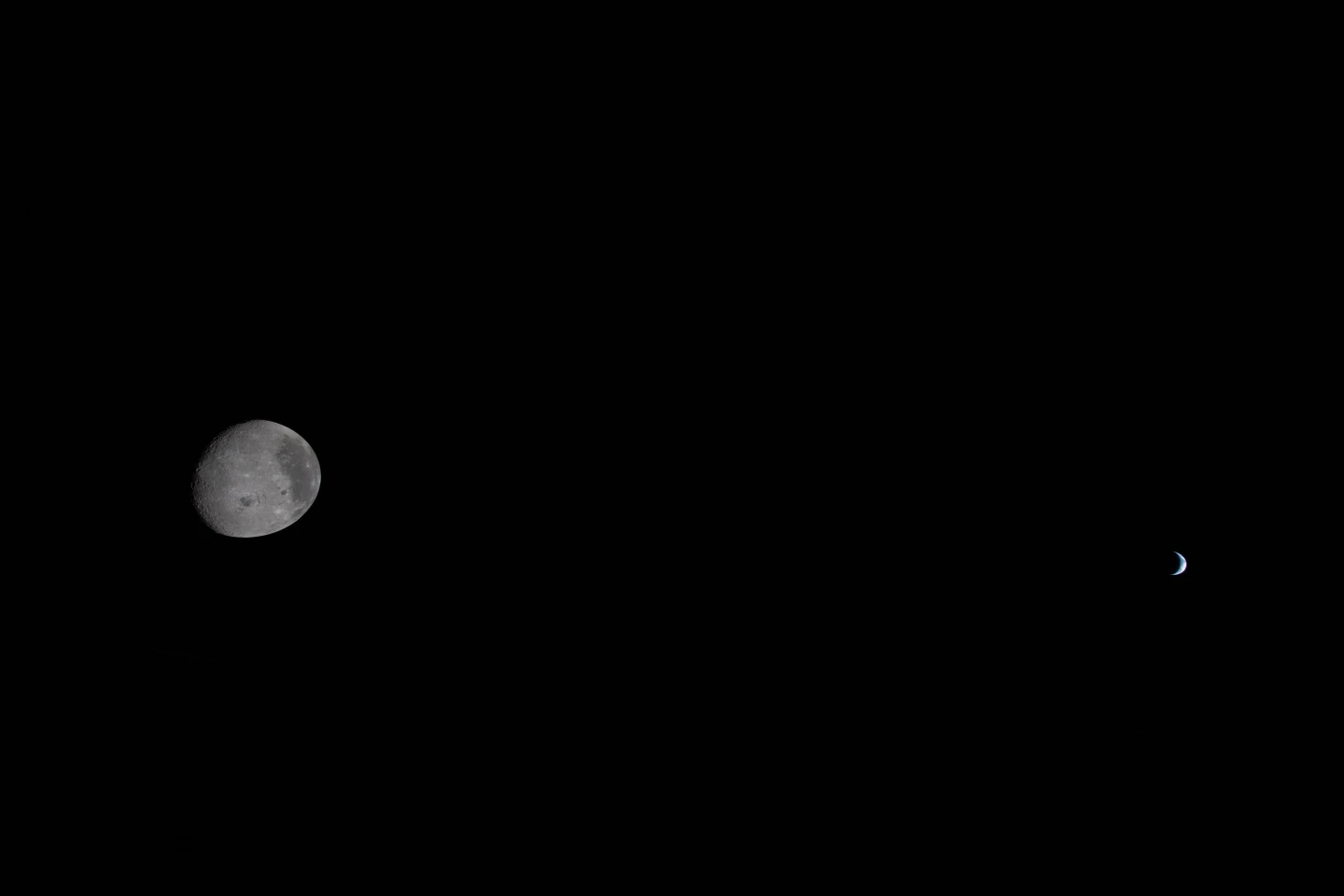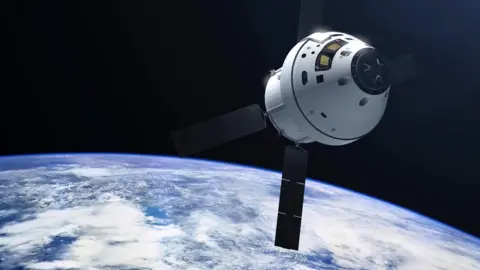
The four astronauts on the Artemis II mission have now left Earth's orbit, after their Orion spacecraft fired its main engine for a final push towards the Moon. The five minute and 55 second engine burn, known as the translunar injection (TLI), went 'flawlessly', Nasa's Dr Lori Glaze said afterwards. From the Orion capsule, Canadian astronaut Jeremy Hansen reported that the crew was 'feeling pretty good up here on our way to the Moon'.
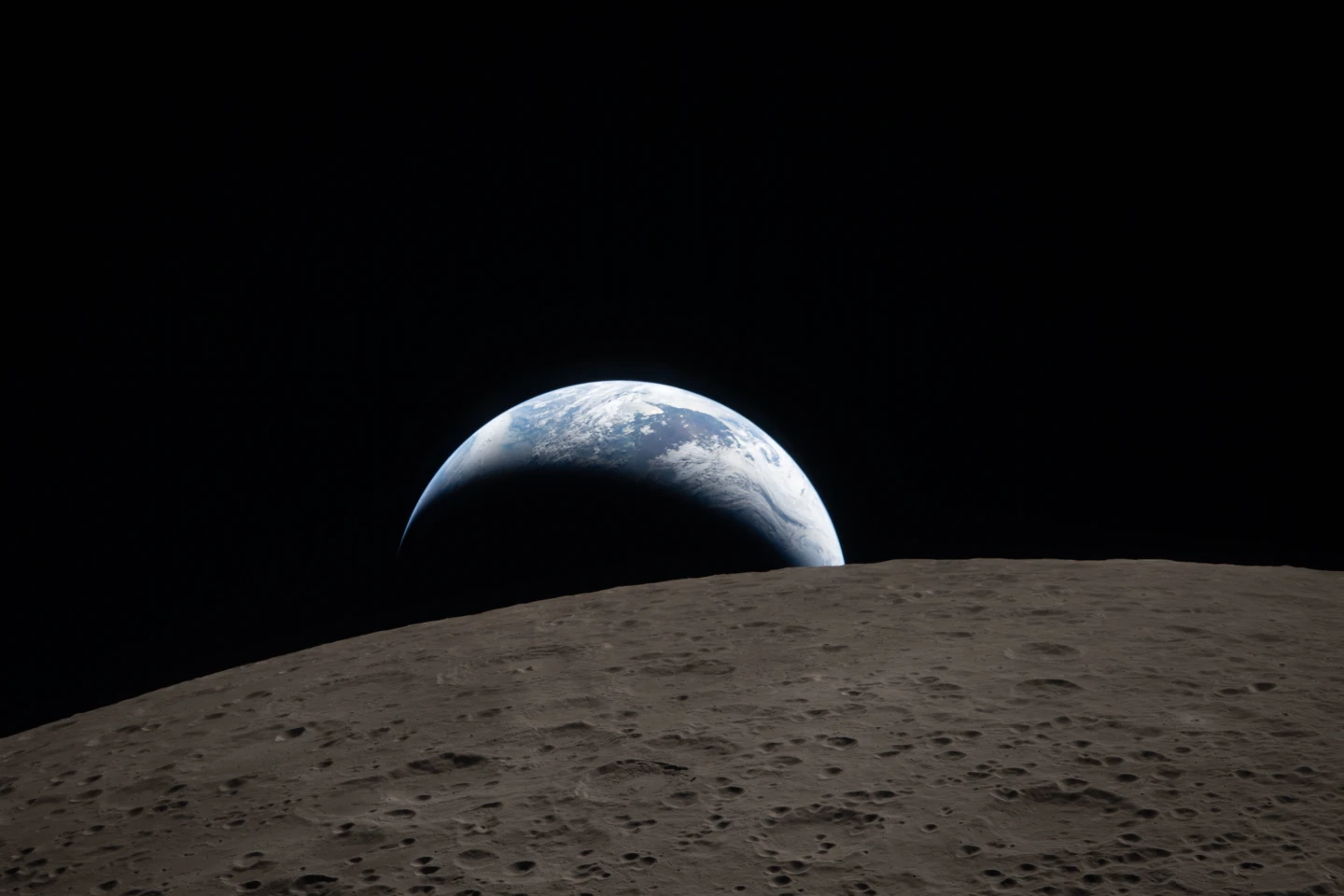
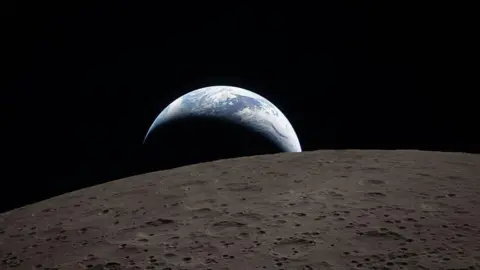
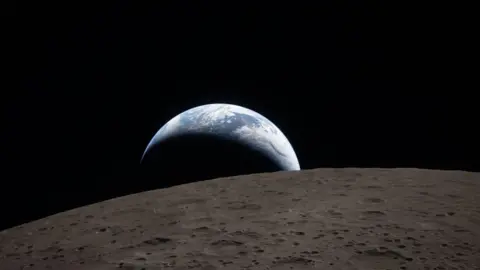
Artemis II is now on a looping path that will carry the crew around the far side of the Moon and back again. It is the first time since 1972 that humans have travelled outside of the Earth's orbit. As seen on the livestream, Earth gradually shrinks behind them while momentum builds.
Hansen expressed gratitude for the support and perseverance of those who contributed to the mission, stating, 'Humanity has once again shown what we are capable of.' After checking the capsule's systems, the crew received final approval to begin their major maneuver towards the Moon.
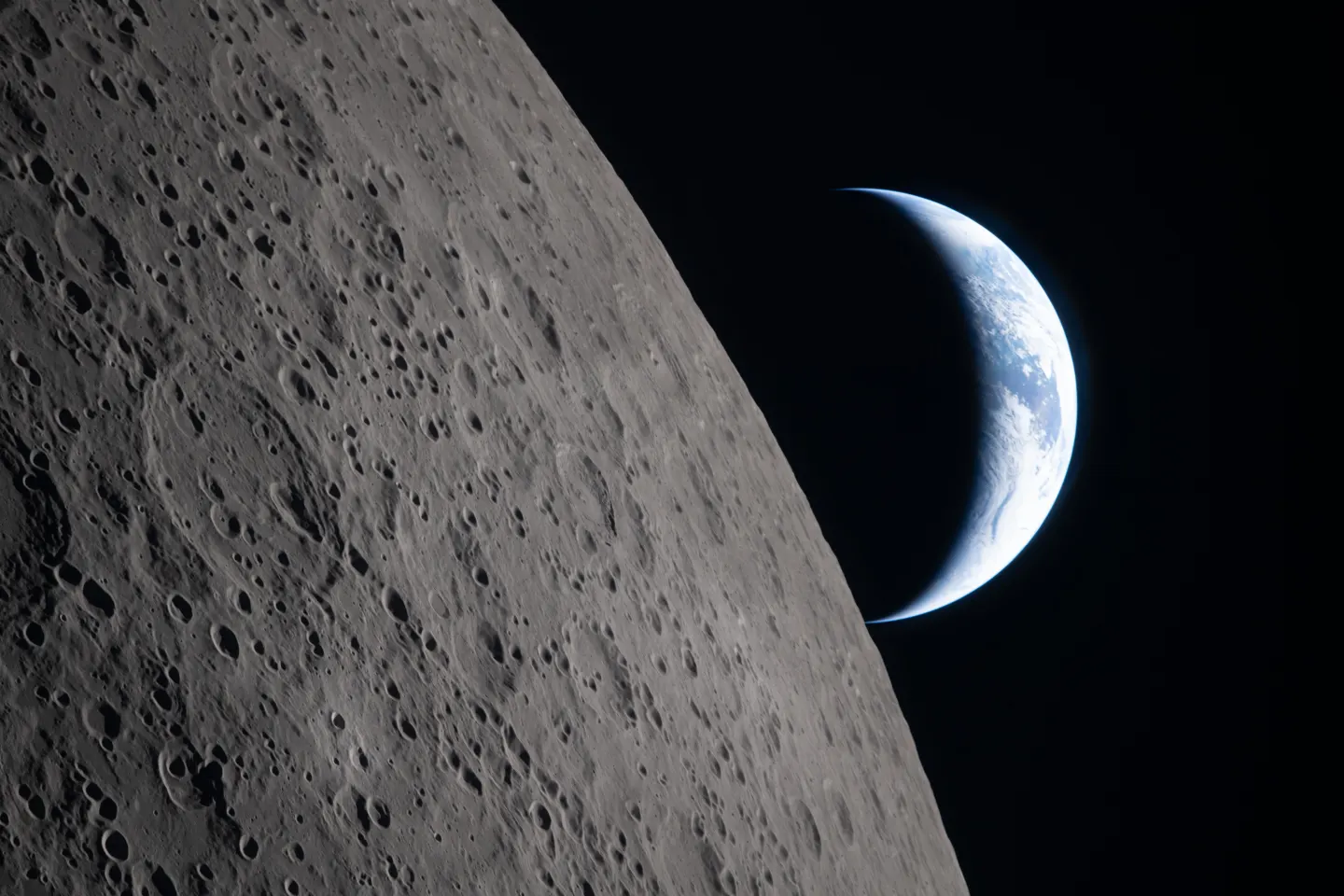
Following the TLI, the Artemis II crew is expected to travel more than 4,700 miles beyond the Moon, possibly surpassing the record set by Apollo 13 in 1970. The operation retains safety protocols allowing for emergency returns, ensuring the crew's security throughout their journey. As they move deeper into space, the crew will witness breathtaking celestial views, including a total solar eclipse during their mission.
Artemis II is now on a looping path that will carry the crew around the far side of the Moon and back again. It is the first time since 1972 that humans have travelled outside of the Earth's orbit. As seen on the livestream, Earth gradually shrinks behind them while momentum builds.
Hansen expressed gratitude for the support and perseverance of those who contributed to the mission, stating, 'Humanity has once again shown what we are capable of.' After checking the capsule's systems, the crew received final approval to begin their major maneuver towards the Moon.
Following the TLI, the Artemis II crew is expected to travel more than 4,700 miles beyond the Moon, possibly surpassing the record set by Apollo 13 in 1970. The operation retains safety protocols allowing for emergency returns, ensuring the crew's security throughout their journey. As they move deeper into space, the crew will witness breathtaking celestial views, including a total solar eclipse during their mission.