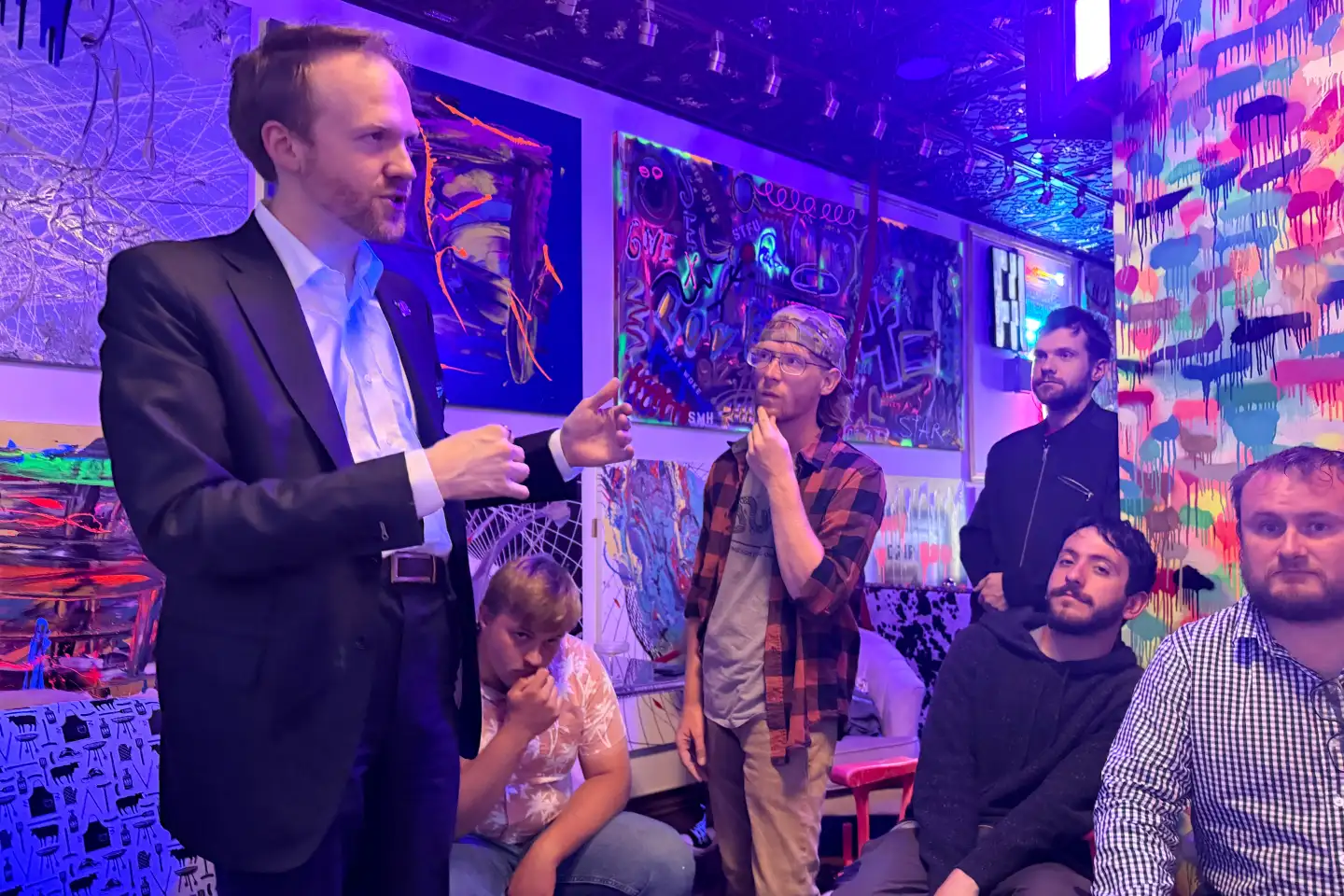
For 21-year-old John Alexander, being against abortion came before finding faith.
As a teenager at school in Buckinghamshire, he was confused why most of his peers supported access to abortion. On social media, he argued vigorously against it.
His interest in Christianity grew after the pandemic, driven by discussions at a Pentecostal Church and street preachers online. At university, he joined the pro-life society, influenced by American commentator Charlie Kirk.
Alexander highlighted a worrying trend in the UK: In the UK, people want to be polite, so they don’t tackle abortion in the same way because they are scared to talk about it,” he explained. Inspired by American activism, he feels young people here are becoming more vocal.
According to analysts and charity leaders, there has indeed been a notable rise in British youth engaging in anti-abortion activism, linking it to the influence of American groups like 40 Days for Life and Turning Point USA.
Recent changes in UK law, including the pending Crime and Policing Bill, which will decriminalize abortion in certain circumstances, add to the urgency for these activists.
The increasing presence of US anti-abortion organizations has been especially influential. Many young people in the UK are drawn to the more outspoken tactics used by American advocates, and figures like Charlie Kirk have become revered figures among a subset of British activists.
However, this new wave of activism is met with significant obstacles. Despite the growing youth movement, a majority of British adults still support legal abortion, according to recent polls. With Britain's pro-choice consensus heavily entrenched, it remains to be seen whether this American-influenced activism can create sustainable change.
The debate continues, revealing a complex interplay of culture, law, and emerging beliefs that could shape the future of the abortion conversation in the UK.