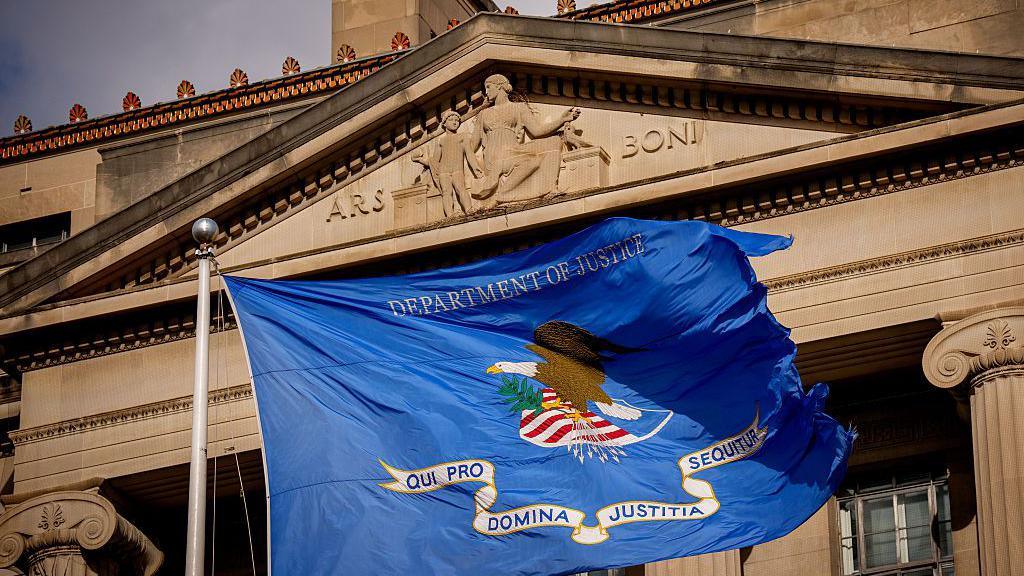
The Southern Poverty Law Center is in the spotlight after the civil rights group announced Tuesday that it is the subject of a U.S. Justice Department criminal investigation because of its past use of paid informants.
The center previously used the informants to infiltrate extremist groups, and now faces possible charges over that practice, its CEO Bryan Fair said. The organization has faced credible threats of violence, Fair noted, adding that the information gathered by informants helped save lives, and was frequently shared with federal and local law enforcement.
Currently, the Justice Department has not released any comment regarding the ongoing investigation.
The center was created 55 years ago to support civil rights
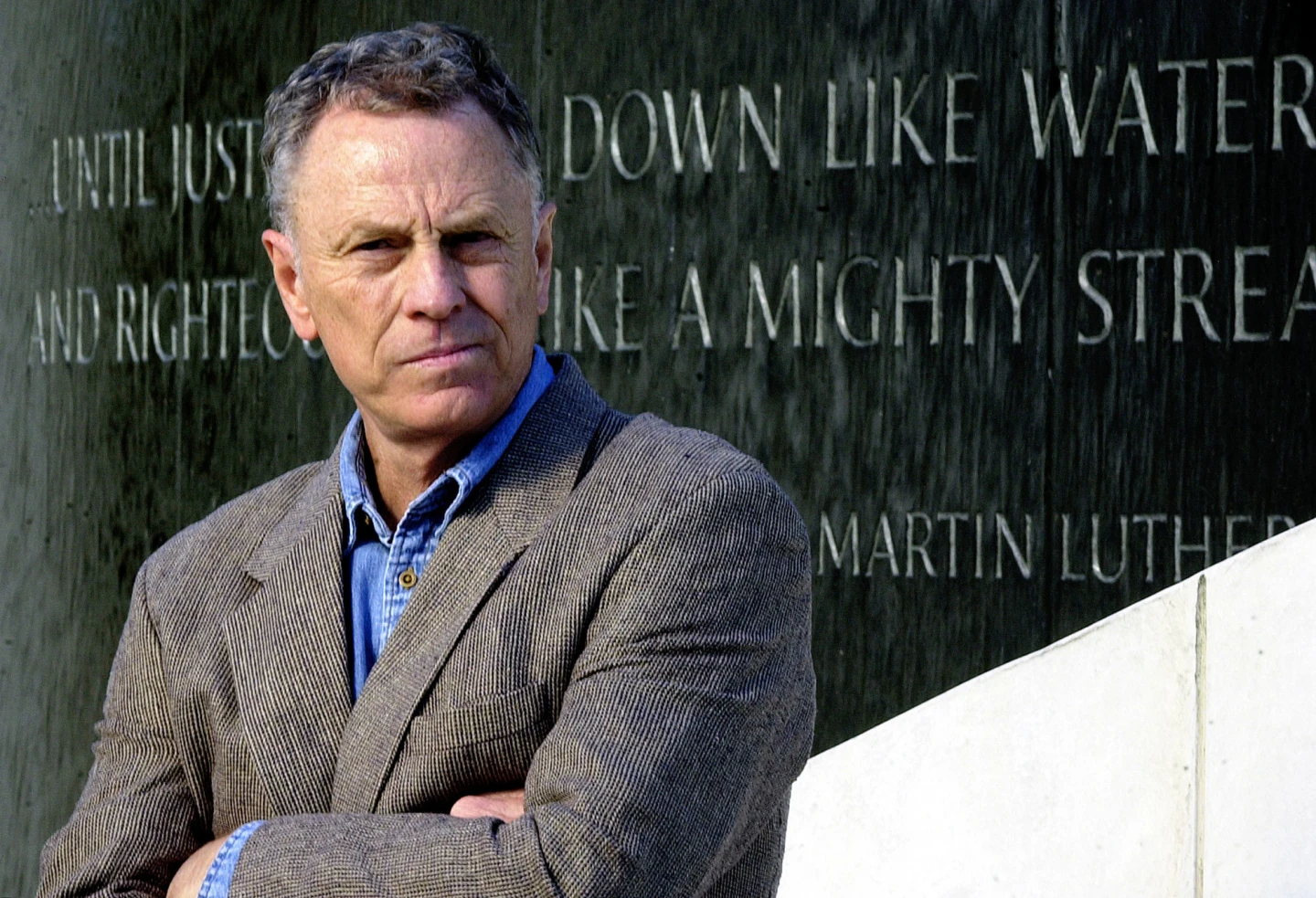
Alabama lawyer Morris Dees founded the organization in 1971, launching a civil rights-focused law practice that catered to the poor and disenfranchised during a time when significant resistance to desegregation existed in the South.
Initially, Dees and fellow attorney Joe Levin took on high-profile cases pro bono, leading to landmark reforms, including the desegregation of recreational facilities and the integration of the Alabama state trooper force.
Monitoring Hate Groups
By the 1980s, the SPLC had expanded its focus to monitoring white supremacist organizations, initially through a program called 'Klanwatch', which later evolved into the 'Intelligence Project'. Members of the Ku Klux Klan retaliated to SPLC's activities, attempting to set fire to the center's Montgomery offices in 1983.
The SPLC's use of paid informants remained a secretive practice intended to safeguard informant safety while gathering vital information on violence threats.
The center has a significant financial backing
Funding for the SPLC is primarily generated through donor contributions, which have amassed a notable endowment of just under $732 million as of last October.
Criticism from Conservative Groups
Over the years, the SPLC's 'Intelligence Project' has faced scrutiny for its categorization of certain groups, with conservatives alleging that labels are applied unfairly based on differing viewpoints. The situation garnered further attention after the assassination of conservative activist Charlie Kirk, which intensified criticism towards the SPLC.
In the aftermath of escalating tensions, the FBI severed its relationship with the SPLC, with FBI leadership citing the organization as a 'partisan smear machine' and criticizing its use of a 'hate map'. This breakthrough marks a significant shift in the FBI's partnership approach with civil rights groups.