On Monday morning, a 7.8‑magnitude earthquake ripped through Mindanao’s southern coast, sending shock waves across the Pacific and setting the stage for an unprecedented humanitarian crisis.
Hundreds of aftershocks have rattled the island since the initial tremor, jolting coastal towns and rattling people who have already endured the strain of collapsed buildings and road blockages. Local officials fear the death toll could rise, noting only 37 confirmed fatalities and 487 injuries so far.
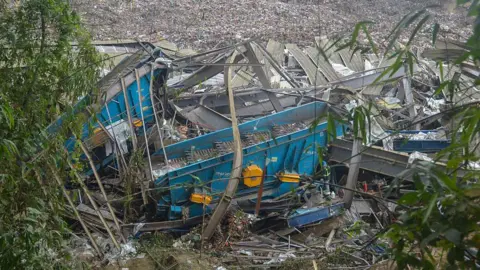
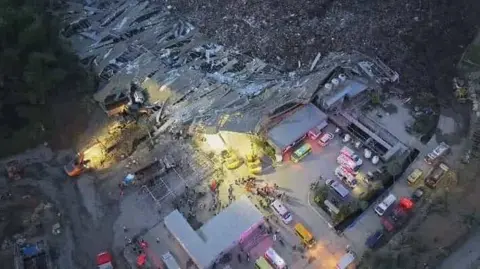
The devastation is particularly severe on Mindanao, where emergency responders are racing through ravaged schoolyards and flooded streets. Reports indicate that approximately 2,000 homes and 6,000 public schools have sustained significant damage, rendering many areas effectively inaccessible.
“We hope the death toll does not increase further, but we expect it to move,” said Bernardo Alejandro, assistant secretary of the national agency supervising disaster response, on DZMM radio. He added that the priority was “search and rescue.”
The quake’s origin lies in the Cotabato Trench, a well‑known source of powerful quakes on the southern tip of the Philippines. The trench produced a 7.9‑magnitude earthquake back in 1976, which generated a deadly tsunami that wiped out about 5,000 people.
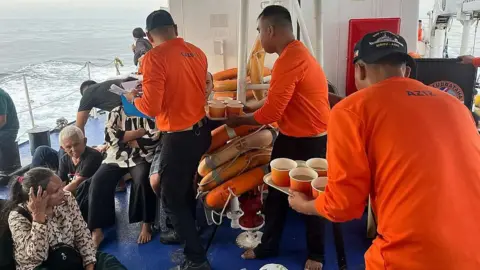
As inflows of rescue teams rolled in, the government’s response escalated dramatically. President Ferdinand Marcos Jr. has mobilized the entire cabinet: his transportation and health secretaries traveled from Manila to Mindanao to oversee operations, while the health secretary, Teodoro Herbosa, noted that aftershocks have continued to hit, even as injured patients receive care.
Physical damage to villages is widespread—landslides have buried the only highway in towns like Jose Abad Santos, making half the routes impassible. With many villages cut off, aid must be flown in, as warned by Mayor Jason John Joyce of the affected area.
Public Courage Amid Chaos – In the moral backbones of the disaster were ordinary people. Schoolteacher Cesar Sundo recalled feeling the building “being vigorously rocked on a hammock” for over two minutes. The morning assembly, held when many students were inside, became the unexpectedly lifesaving routine that kept them outside and safe during the quake.
Construction worker Ramel Pato, who was bringing his three children to school, said the ground shook so violently that the children started running and crying. He noted that his past experience with an earlier 1998 quake helped him maintain calm in the immediate aftermath.
Notably, the quake stunned the public with a dramatic fall of a Jollibee restaurant in General Santos City. The fall was captured in a viral video that splashed across social media as the chain’s spokesperson assured that all staff in the affected area were safe.
While the government mobilizes resources, disaster response teams have also highlighted the importance of structural resilience. In areas like Polomolok, the damage has illuminated the urgent need for building reinforcement to withstand future quakes.
In the coming hours and days, officials remain cautious: further strong aftershocks have already plagued medical facilities while rescue teams work through a growing labyrinth of landslides and collapsed structures. It remains too early to weigh the final casualties as the island grapples with the initial shock of what has become a slow, unfolding crisis of recovery and resilience.