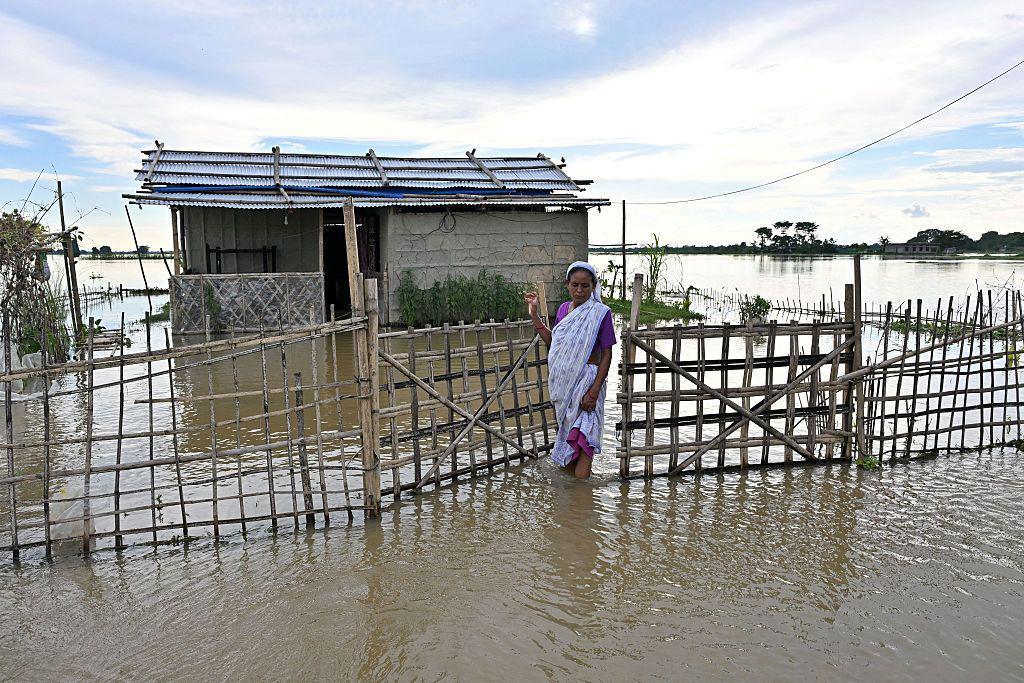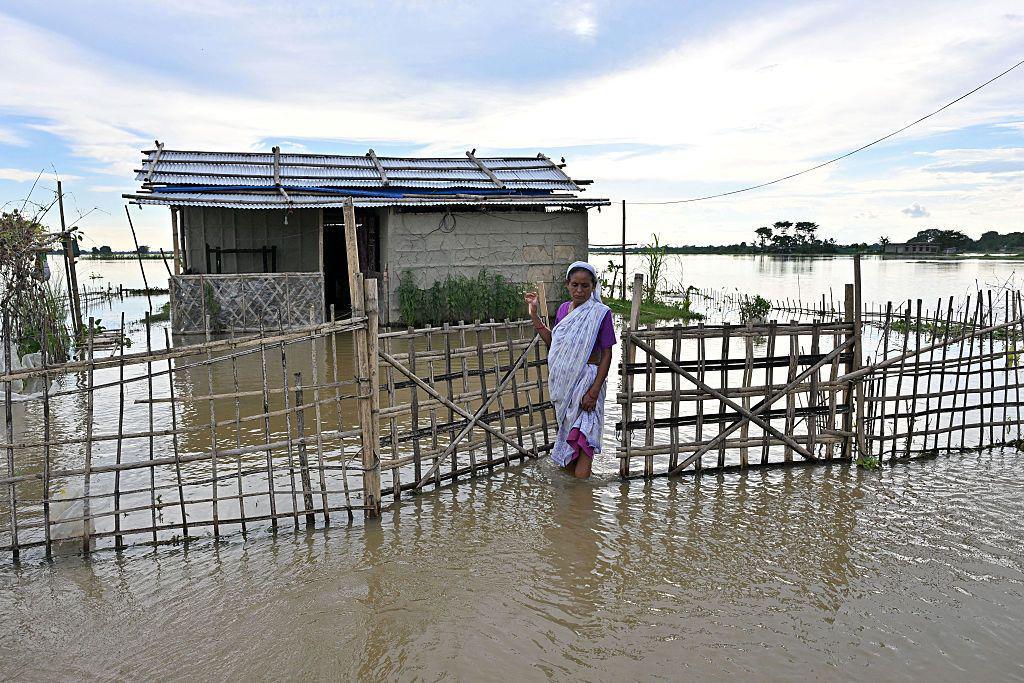
On the night of 19 July, as the Brahmaputra’s scourge reached Charing village, a 97‑year‑old woman named Lokada Duarah was ferried to safety on a banana trunk raft by her daughter, Bornali Baruah, and her son‑in‑law. With no boats, no rescue teams, and only the sheer will of family, they braced against three‑to‑four‑feet of water and a current that felt like a torrent.
Bornali, a former journalist turned award‑winning livestock farmer, had never imagined her doorstep could be swallowed by flood waters. Yet by dawn the waters had crept in, submerging her four‑room home and forcing the family to abandon it almost a day after the river began rising.
The flood was part of a larger catastrophe that, by the latest counts, killed 100 people and displaced roughly 1.2 million across 25 districts. In the state alone, 456 villages in 10 districts saw water engulf homes, and 52 relief camps were hastily established. The scale of damage—over 19,000 houses shattered and 75,000 people stuck in 252 temporary shelters—exemplifies the escalating threat on Assam’s flat floodplain.
Baruah’s personal loss now stands out: her once‑thriving farm of 300 goats, 500 ducks and 1,000 chickens, along with fish stocks and domestic equipment, was largely destroyed. “None of my livestock was insured,” she says. “The flood ate our livelihood.” Yet amid this devastation, she and her family survived, thanks to nearby relief kits and compassionate strangers who helped feed and nurture the surviving goats.
Experts explain that the Brahmaputra, one of the world’s largest rivers, is experiencing higher frequency and intensity of floods due to climate shifts, sediment influx from the Himalayas and increased human activity on floodplains. “It is not the river’s fault,” says Professor Dhrubajyoti Sahariah, but the result of settlement patterns, deforestation and lack of basin‑level coordination.
For Baruah, who returned to the flood‑struck area, the future looms uncertain. She is already planning to raise her home’s foundation, stock essential supplies, and “learn to coexist with the floods.” She refuses to call herself a climate refugee, choosing instead to fight the risk from inside her home.
The 97‑year‑old’s improvised bamboo raft underscores how ordinary people are inventing survival strategies amid growing cataclysms. It also calls for a systemic rethink of flood management and community adaptation in the Brahmaputra basin.