Caught in Flood: Nepal Hydropower Worker Survives 20‑Minute Tunnel Trauma
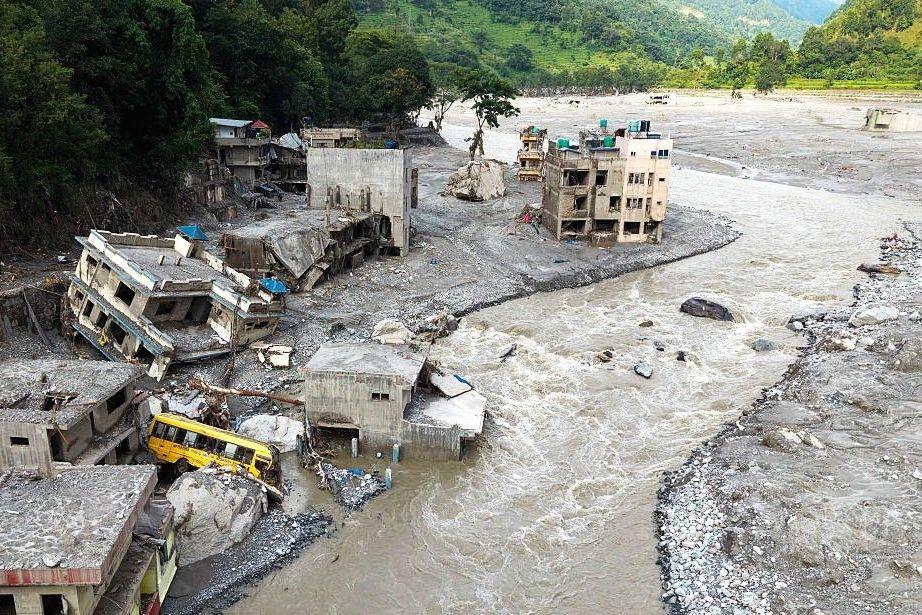
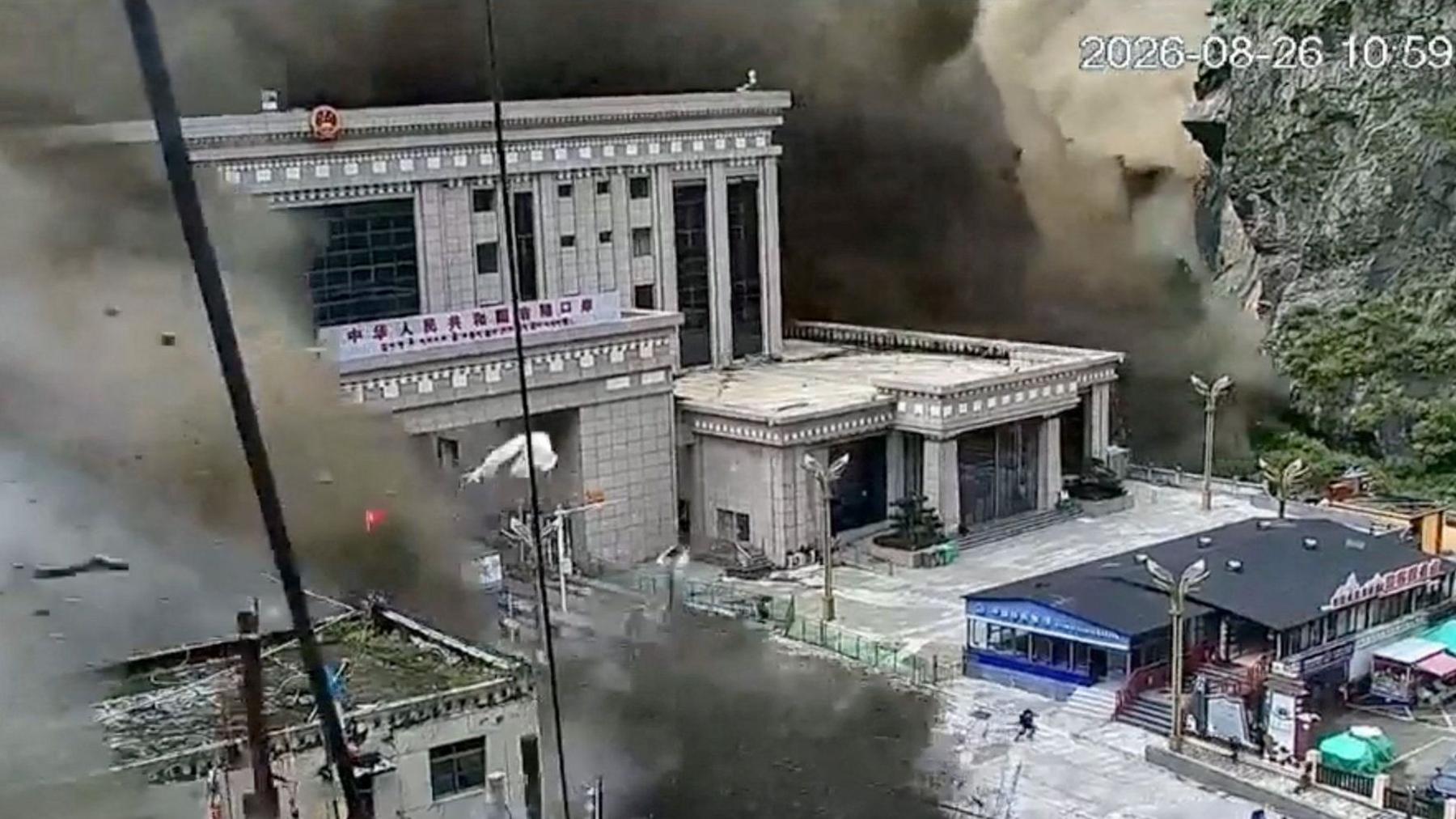
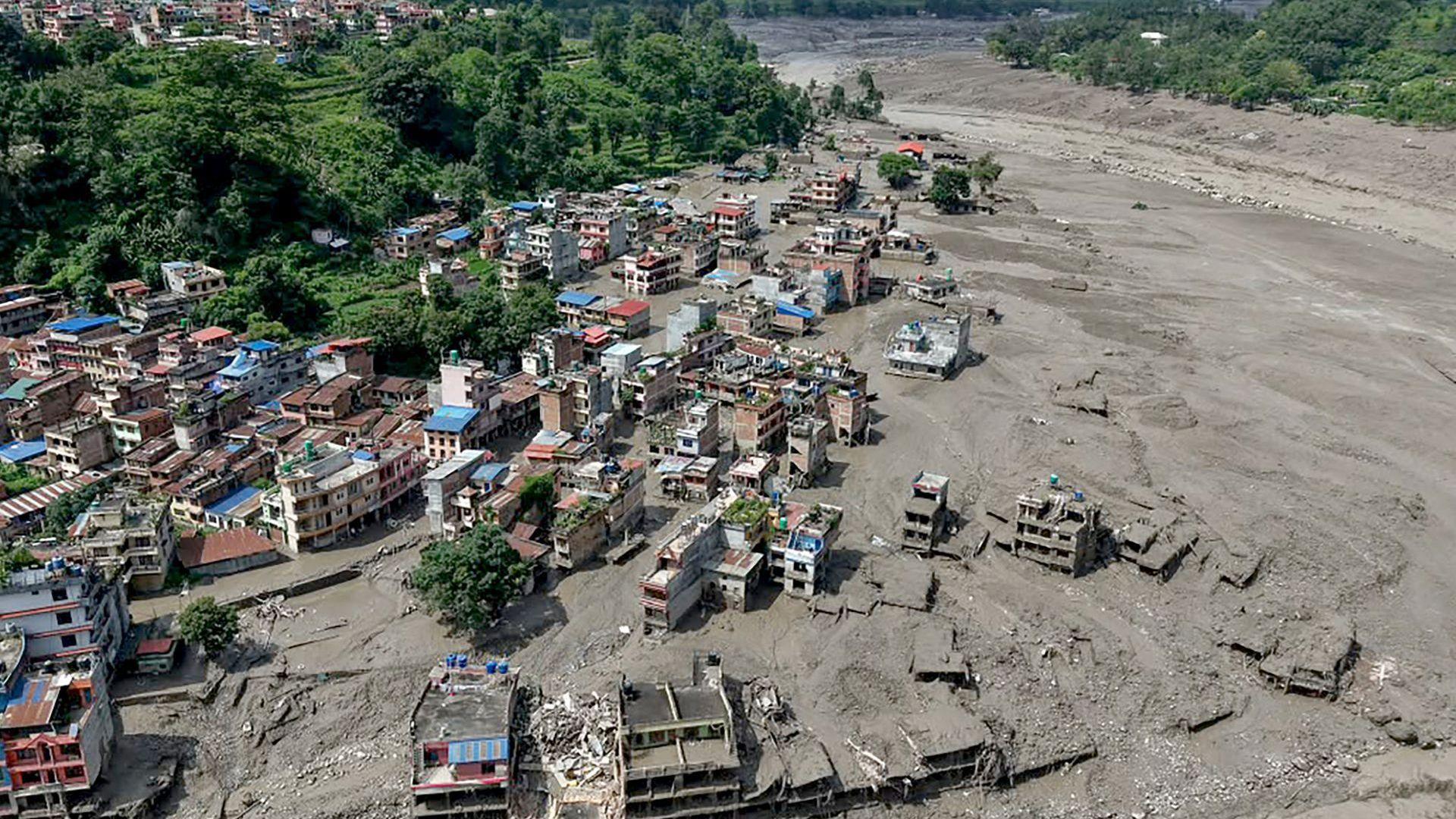
On 7 September, a sudden, powerful burst of air swept through a hydropower tunnel on the Trishuli River in central Nepal, thrusting plywood, heavy machinery, and water into the workspace. The flood, part of an unprecedented series of sea‑level rises, forced the Upper Trishuli 3B site into a chaotic emergency.
“I ran towards the tunnel entrance, the water chased behind me,” recounted Pemba Dundu Tamang, a 28‑year‑old tunnel‑lining crew member, as he tried to escape the 15‑second sliver of life he had with his colleagues. The torrent lasted 20 intense minutes, peaking in a surge that ate through the tunnel’s concrete and the surrounding hillside.
Tamang, whose team of about 30 had been building the tunnel’s concrete lining, lost six relatives—including his mother, brother, sister‑in‑law and three grand‑children—who were home when the flood hit. Only his wife, son, and nephew survived, leaving the rest of his family to mourn a sudden, brutal loss.
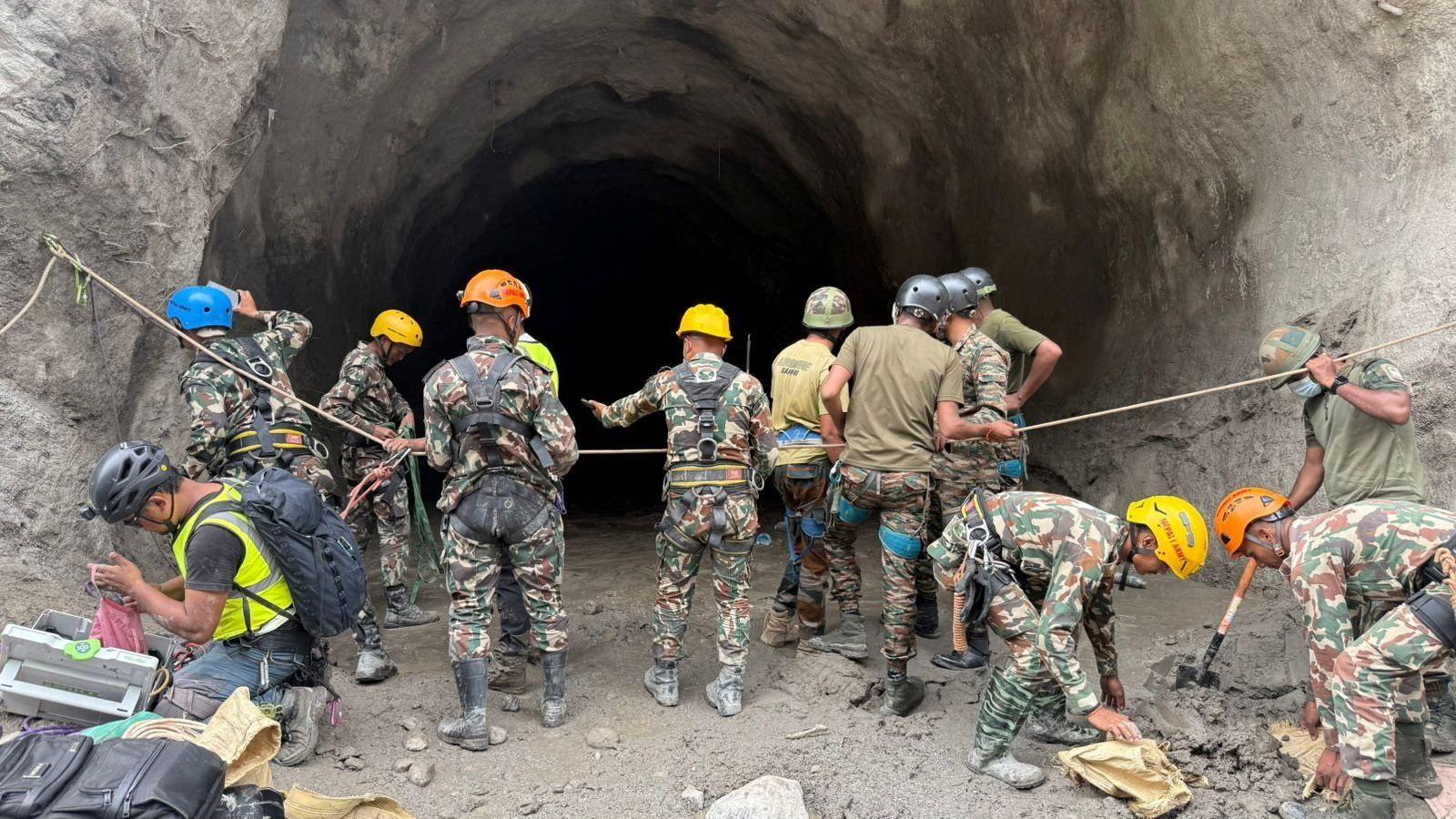
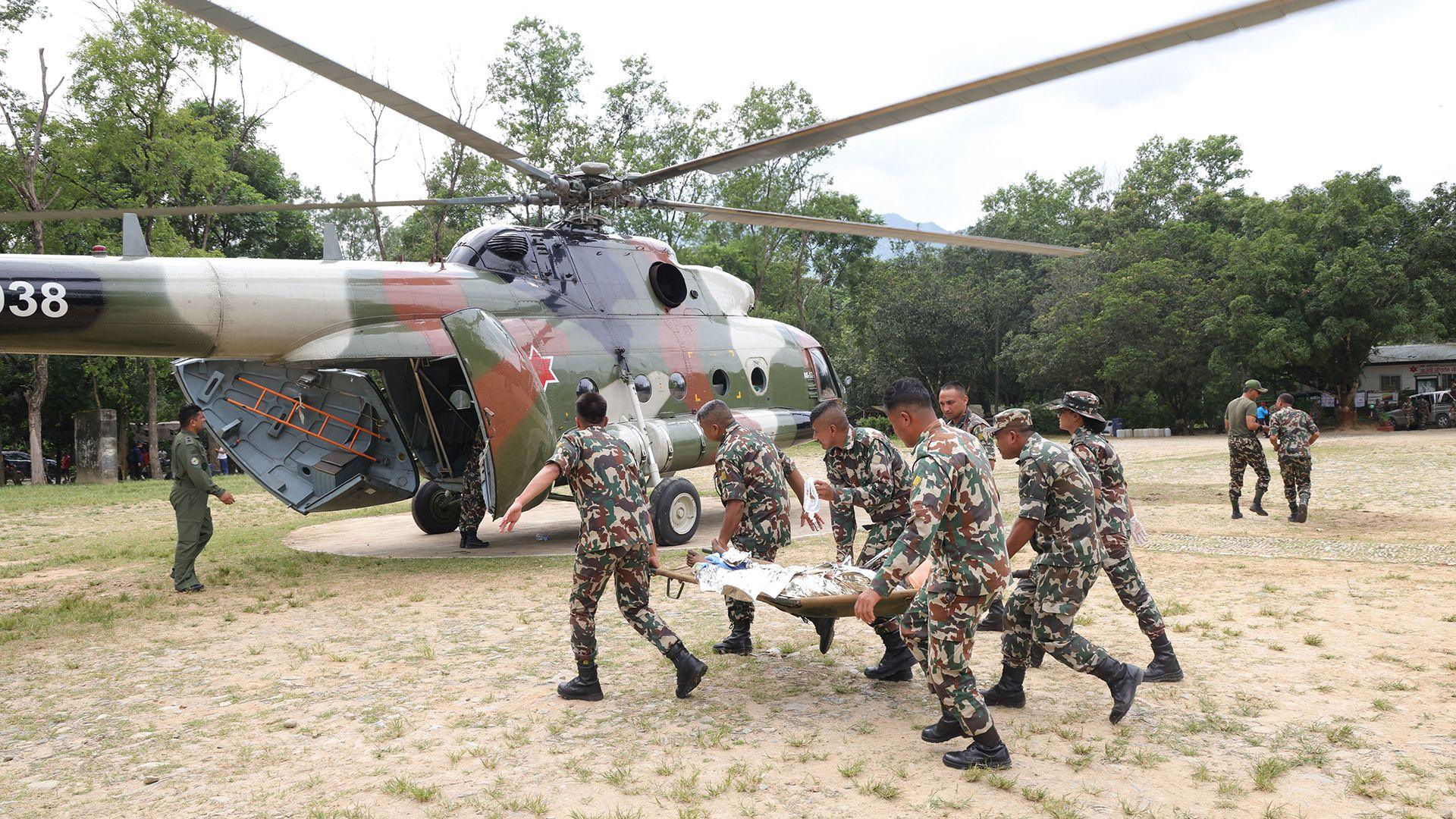
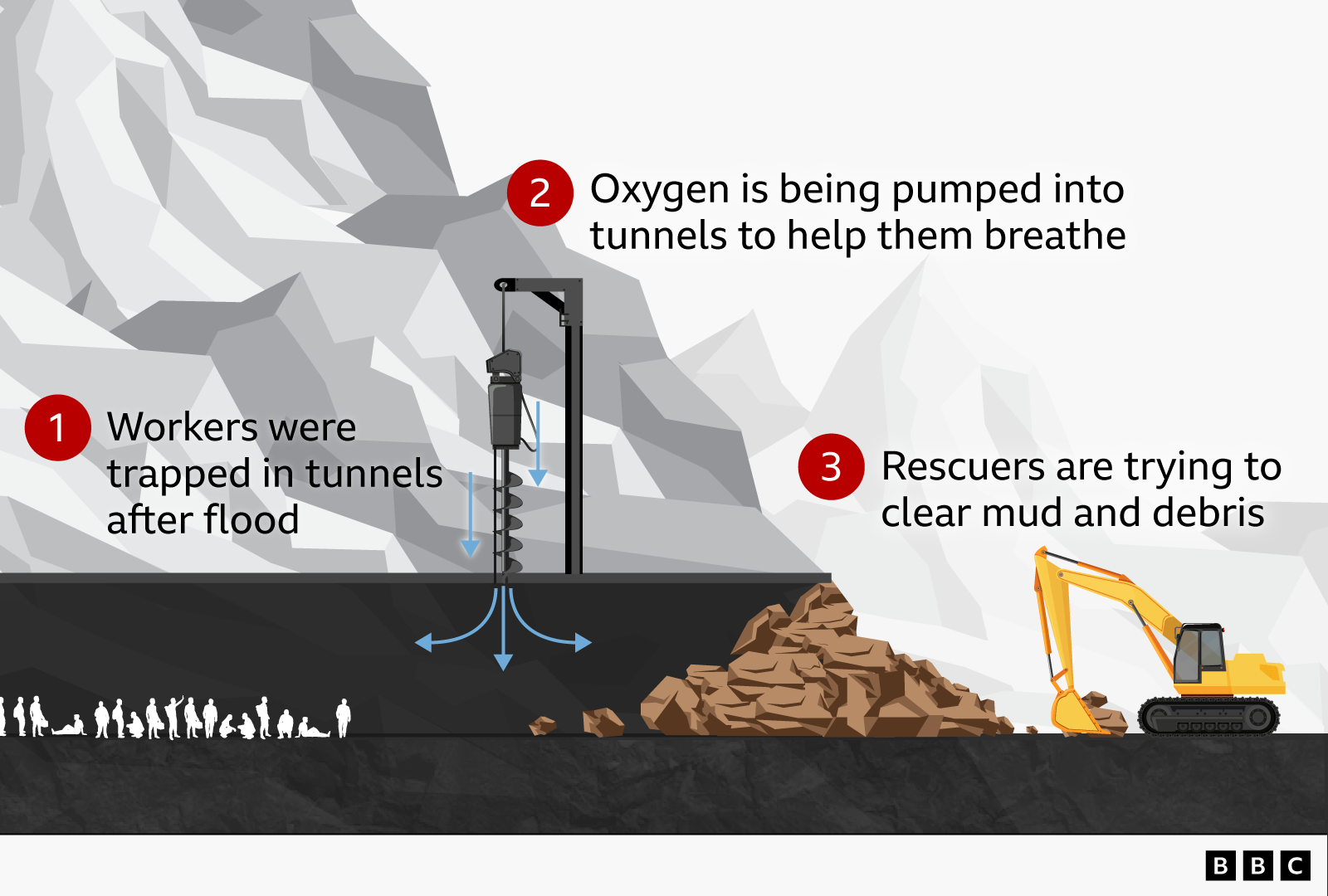
While the flood destroyed homes and houses, the hydropower workers faced an even greater danger inside collapsed tunnels. Nepal Army spokesman Raja Ram Basnet stated, “Our soldiers are deployed to collect bodies and prevent disease.” Engineers are pumping air into the shafts, hoping to keep trapped workers alive while heavy machinery removes mud and debris.
Satellite images reveal that the glacier and surrounding rock were exhibiting warning signs—accelerated melt, brown meltwater, and a developing crack—before the avalanche struck. Experts from China, India, and Nepal say that a comprehensive early‑warning system could have saved many lives, especially downstream where flooding took longer to arrive.
Despite the urgent situation, rescue teams hesitate to evacuate winners from the tunnel without a robust assessment of possible air quality and water contamination. Tamang remains hopeful that more survivors exist inside, stating, “If there are still some inside, I would be happy if they were rescued quickly.” The story underscores the fragility of hydropower projects in a rapidly changing climate and the urgent demand for better infrastructure resilience.