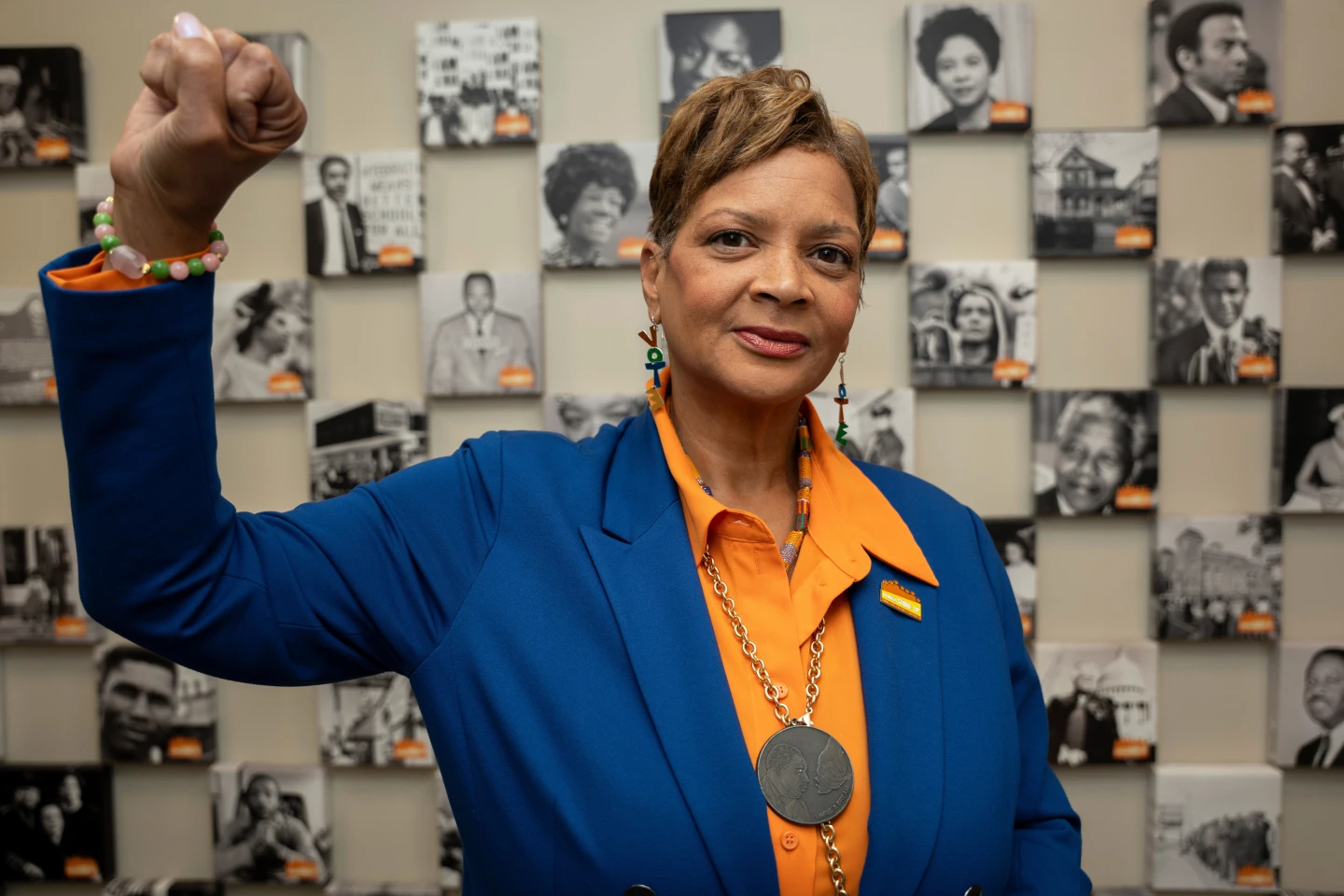
MONTGOMERY, Ala. — Doris Crenshaw was only 12 years old when she and her sister participated in distributing flyers throughout their community, urging residents to boycott city buses in Montgomery, Alabama. This effort was sparked by the recent arrest of Rosa Parks, who had refused to relinquish her seat to a white passenger, igniting a pivotal movement against segregation. More than 40,000 Black residents joined the boycott, which lasted 381 days, effectively demonstrating the economic power of collective action.
As the 70th anniversary of the Montgomery Bus Boycott approaches, descendants of the movement's leaders are set to gather and honor their legacy. The boycott is recognized as a catalyst for the Civil Rights Movement, showcasing the effectiveness of nonviolent protest and economic pressure—a strategy that continues to inspire contemporary activists.
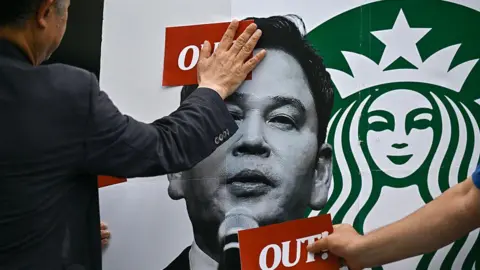
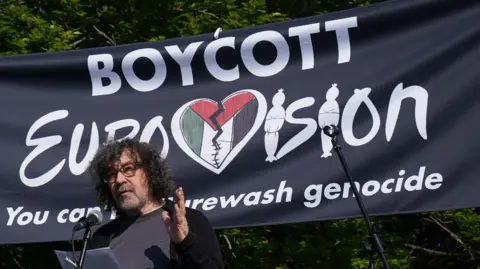
The historical significance of the boycott is underscored by modern attempts to replicate its successes through campaigns against corporations perceived to support harmful policies. Derrick Johnson, the NAACP President, emphasized the importance of organizing community responses to corporate behavior, likening boycotting to 'selective buying campaigns.'
Rosa Parks’ courageous stand was more than an act of defiance; it symbolized a collective yearning for justice and equality under unjust systems. Crenshaw recalls the determination of community members, stating, 'We walked, and we kept walking,' demonstrating their commitment to the cause and their unwillingness to return to the buses.
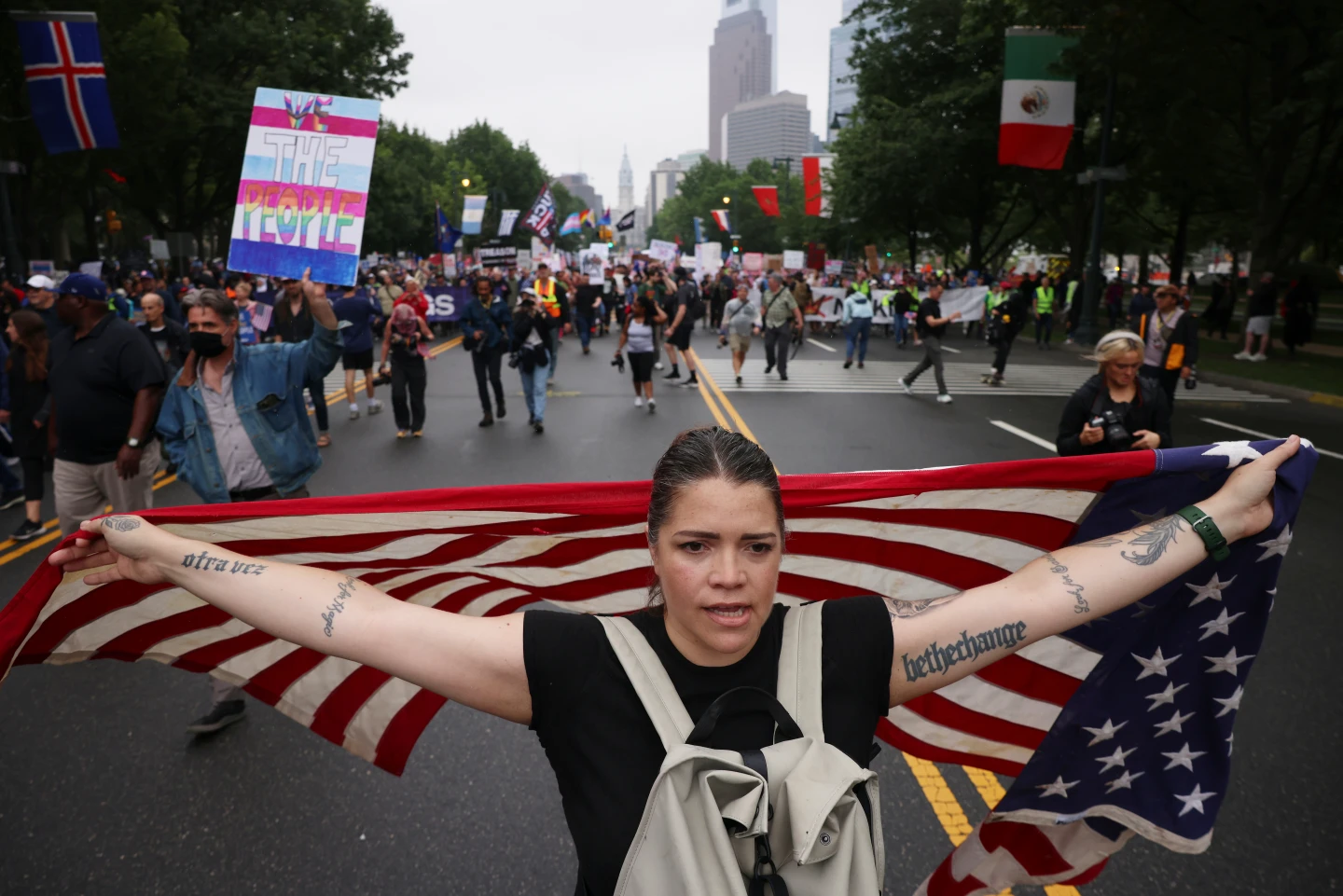
Today's youth, like 13-year-old Madison Pugh, draw inspiration from this legacy, participating in modern boycotts and social justice initiatives, reminding us that the fight for equality is far from over. These narratives connect the past struggles for civil rights with today's ongoing battles against systemic racism and inequality, ensuring the spirit of the Montgomery Bus Boycott lives on.
As the 70th anniversary of the Montgomery Bus Boycott approaches, descendants of the movement's leaders are set to gather and honor their legacy. The boycott is recognized as a catalyst for the Civil Rights Movement, showcasing the effectiveness of nonviolent protest and economic pressure—a strategy that continues to inspire contemporary activists.
The historical significance of the boycott is underscored by modern attempts to replicate its successes through campaigns against corporations perceived to support harmful policies. Derrick Johnson, the NAACP President, emphasized the importance of organizing community responses to corporate behavior, likening boycotting to 'selective buying campaigns.'
Rosa Parks’ courageous stand was more than an act of defiance; it symbolized a collective yearning for justice and equality under unjust systems. Crenshaw recalls the determination of community members, stating, 'We walked, and we kept walking,' demonstrating their commitment to the cause and their unwillingness to return to the buses.
Today's youth, like 13-year-old Madison Pugh, draw inspiration from this legacy, participating in modern boycotts and social justice initiatives, reminding us that the fight for equality is far from over. These narratives connect the past struggles for civil rights with today's ongoing battles against systemic racism and inequality, ensuring the spirit of the Montgomery Bus Boycott lives on.