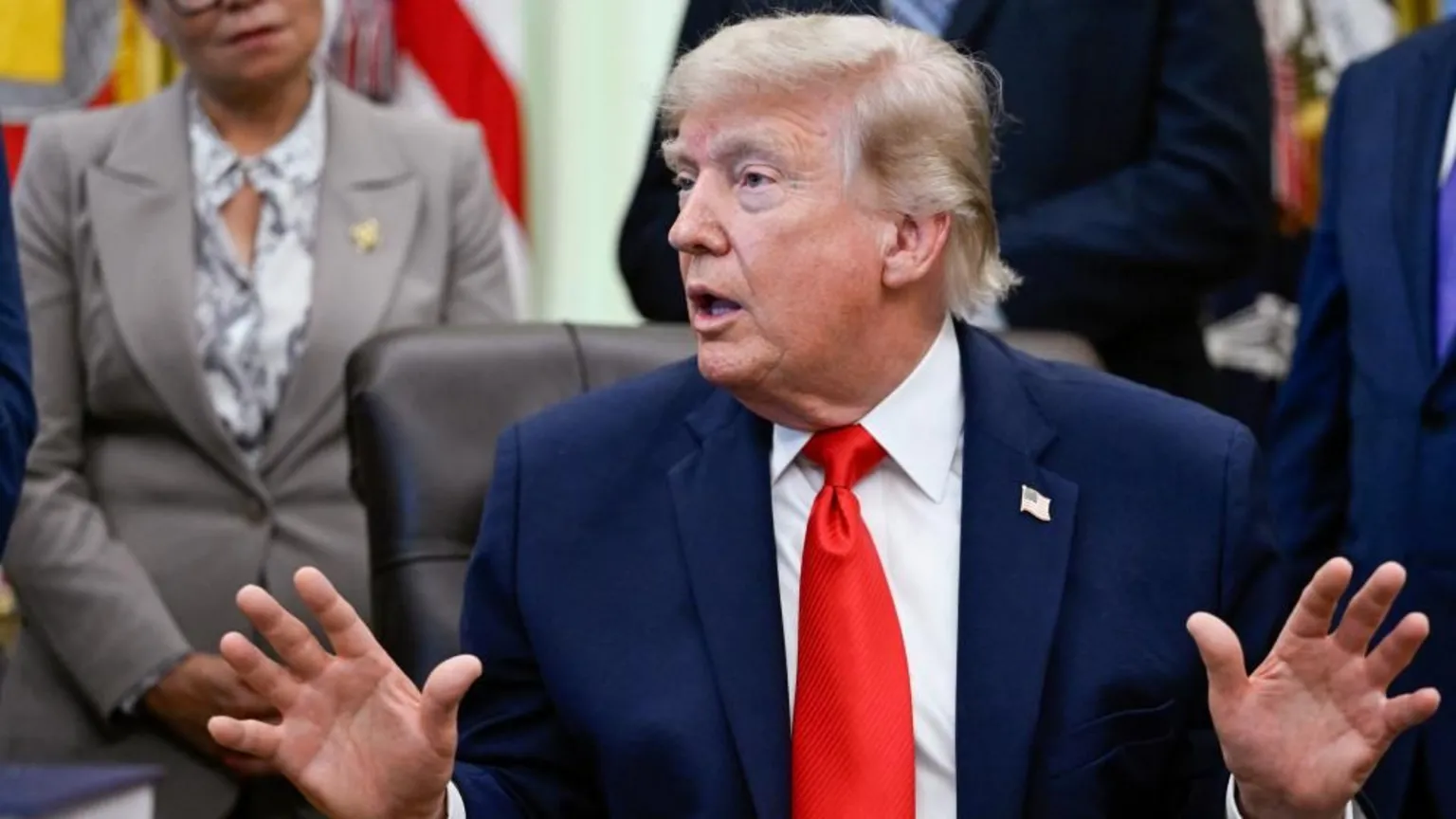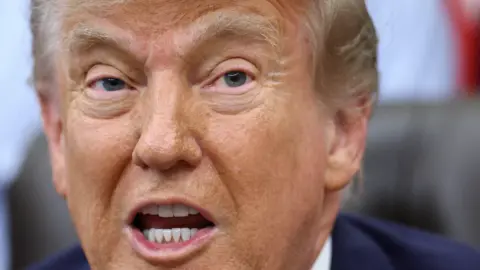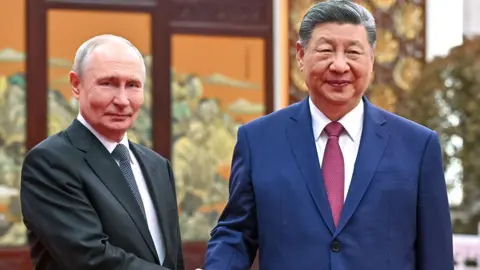
In a highly publicized phone call with Russian President Vladimir Putin, former US President Donald Trump touted strides toward peace in Ukraine. However, the actual outcomes from this conversation indicate little in the way of substantial progress. Putin has ostensibly agreed to pause assaults on Ukraine’s energy infrastructure for 30 days, a concession Trump could use to frame the discussion as productive. Nonetheless, this limited promise falls far short of the unconditional ceasefire that US officials demand.
The ongoing "horrible war," as Trump has referred to it, persists despite the glimmer of hope presented by the Russian leader's comments. International Criminal Court-indicted Putin seems to have regained a foothold in global diplomacy, following a prolonged chilly period with the West. Reports indicate their phone exchange exceeded two hours, with a Kremlin memo detailing their discussion, complete with lighter topics like ice hockey. This suggests a significant turn in relations where Russia is again directly engaging with a US administration more eager to communicate.
Many observers anticipated Trump might confront Putin over the stagnation of plans for a ceasefire. Still, no such pressure was apparent; in fact, no significant change emerged following the call. Russia reiterated its desire for peace, yet continues to place conditions on negotiations while simultaneously demanding the cessation of foreign military support to Ukraine.
Ukrainian leaders are left grasping for reasons to remain optimistic, noting that the US has yet to concede to Russia's conditions. They also recognize that extensive dialogue with Russia offers scant alleviation from ongoing suffering. For US diplomacy, the outcome appears underwhelming, whereas the Kremlin is likely relishing this renewed engagement after years of international isolation following the invasion of Ukraine.