
In brief
Amid an ongoing humanitarian crisis, Gazans face increasing desperation as limited food supplies fail to meet urgent needs. Recent clashes highlight a deteriorating security situation, complicating the delivery of essential aid and leaving communities in fear and uncertainty.
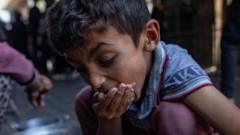
The recent lifting of part of Israel's blockade has led to chaotic scenes in Gaza as limited food supplies trickle in, igniting desperation and unrest among the population. Bakeries became targets of overwhelming crowds, forcing many to halt operations, while armed looters attacked an aid convoy, prompting a deadly response from Hamas security officials and Israeli airstrikes.Eyewitnesses reported a convoy of 20 trucks from the World Food Programme (WFP) was ambushed by gunmen seeking to seize the aid cargo, leading to a brief but violent firefight. Tragically, following the exchange, Israeli drones targeted the Hamas security team, resulting in multiple fatalities.Hamas condemned the incident, calling it a "horrific massacre," and alleged that Israel deliberately struck those entrusted with protecting humanitarian efforts. As reports of increased insecurity spread, many in Gaza criticize the WFP’s distribution methods, with locals advocating for flour distribution to enable families to bake bread at home instead of risking chaos at overcrowded aid centers.Recent reports highlight the deteriorating humanitarian conditions across the territory, where lack of basic services is exacerbated by the ongoing conflict. Residents are being forced into overcrowded camps with insufficient access to food, water, and medical care. With increased military operations against Hamas, many are struggling to secure daily necessities.International agencies have repeatedly warned that ongoing violence is severely hindering the delivery of life-saving supplies desperately needed by Gaza's 2.1 million residents. Organizations like the UN and WFP affirm that the current flow of food aid remains woefully inadequate, with local voices echoing their concerns over the sufficiency of current aid efforts.In a stark account of life in Gaza, Abd al-Fatah Hussein described the dire conditions in displacement camps: "There is no electricity, no food, insufficient portable water, and no available medicine... The repeated air strikes, especially during the night, add to the suffering." Gazans continue to endure severe deprivation, highlighting the urgent need for a more effective humanitarian response to address the escalating crisis.

