
In brief
In the midst of a devastating conflict, Sudan has emerged as a tragic epicenter of displacement, particularly affecting children, as more than five million have fled their homes. The struggle for survival is compounded by rampant hunger and humanitarian challenges, prompting international calls for urgent aid.
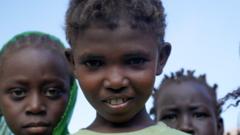
In Sudan, a staggering five million children have been forced to flee their homes due to the ongoing and brutal conflict ravaging the country. Among these displaced youth is Mahmoud, a resilient 13-year-old orphan who remains hopeful despite his traumatic experiences. He finds himself, like many others, victim to a humanitarian crisis that is increasingly recognized as one of the worst in the world.UN humanitarian chief Tom Fletcher has highlighted the gravity of this situation, stating, “Twenty-five million Sudanese, more than half the population, urgently need assistance.” His remarks come as Sudan grapples with a unique paradox: a crisis of such scale that it often slips into the shadows of international awareness, overshadowed by conflicts in places like Ukraine and Gaza.During his inaugural field visit to Sudan, Fletcher sought to bring attention to the plight of individuals suffering from the conflict stemming from a violent power struggle between the army and the paramilitary Rapid Support Forces (RSF). He visited an orphanage in Kassala that is currently home to nearly 100 children who have endured multiple displacements.Many children, including Mahmoud, have been rendered homeless, facing daily battles for survival, with food scarcity being a significant ongoing challenge. This frantic search for sustenance has led to rampant famine in several regions of Sudan.Recently, through Fletcher’s advocacy for humanitarian aid initiatives, the UN received permission from army chief Gen Abdel Fattah al-Burhan to establish additional supply hubs and access regional airports needed for relief operations. These developments mark a potential shift, but obstacles remain, as aid workers grapple with an increasingly perilous environment.The United Nations and several global aid agencies have faced scrutiny for their connections with the Sudanese military, as they navigate complex humanitarian corridors controlled by military factions. However, Fletcher remains committed to engaging all necessary parties to ensure the delivery of vital aid to those in need.The dire situation is further exacerbated by the use of starvation as a weapon of war and the alarming rise of sexual violence against vulnerable populations. During a symbolic campaign against gender-based violence, Mr. Fletcher urged better support for those affected, recognizing that local efforts must play a pivotal role, as many Sudanese call for solidarity in their crisis response.With community leaders like “Mama Nour” stepping up to care for abused women and orphaned children, local efforts intertwine with international aid, showcasing determination to resist despair. Yet, the inevitable call for more substantial support reflects the urgent need for compassion and assistance from the global community.As Mahmoud dreams of a future where he can rebuild communities, the plight of millions remains a pressing call to action. The children of Sudan are not only victims but are also beacons of hope, stretching their hands out for a world that is yet to fully see and respond to their suffering.
