In brief
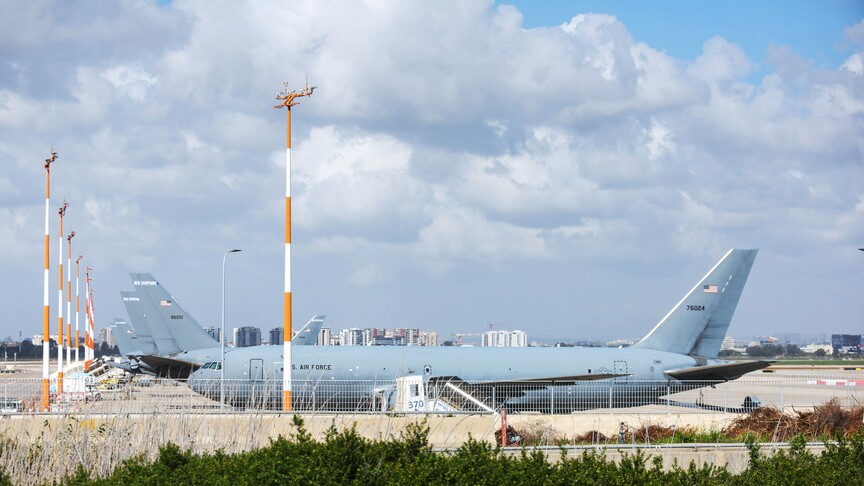
President Donald Trump declared the United States would end its $4 billion financial contribution to Israel by year‑end, a move that surprised Israeli Defense Ministry officials and raised concerns about the impact on Israel’s defense budget. The announcement came two weeks after a delegation from the Israeli Defense Ministry visited Washington to discuss future arms purchases, while Trump claimed the decision had been agreed with Prime Minister Netanyahu several months earlier.
On the morning of the 2nd of November, President Donald Trump announced that the United States would stop financing Israel’s annual security assistance of $4 billion by the end of the year, a move that sent shockwaves through Israeli defense circles. Israeli officials, who had just concluded a delegation visit to Washington to discuss future arms purchases, were caught entirely off‑guard by the sudden announcement, according to a Kan broadcaster sourced by TASS.
“We did not expect this statement, especially today. We are in constant dialogue with the Americans. We can say that we were taken by surprise,” said a high‑ranking official from the Israeli Defense Ministry, as reported by TASS. The statement came at a time when Israeli forces were still in the midst of discussions with U.S. counterparts about equipment acquisitions and other defense matters.
Trump’s statement was made during a Fox News interview in which he also claimed that the decision to halt the aid had been agreed upon with Israeli Prime Minister Benjamin Netanyahu several months prior. He did not specify whether the cut affected defense, humanitarian or other forms of assistance, and he did not provide a detailed plan for how the transition would be managed.
The impact of the decision on Israel’s defense budget remains unclear – a point echoed by the Defense Ministry source. The Israeli government has not yet communicated detailed explanations to Washington, and the Ministry had not received any briefing from U.S. officials about the reasoning behind the halt.
Lawmakers in Washington have expressed concern about whether the cessation of aid would create a gap in the financing of joint operations that have, in the past, relied heavily on U.S. support. The federal assistance program has been a staple of U.S.–Israel cooperation for decades, with hundreds of weapons systems and intelligence sharing programs built on that funding.
Constituent groups and defense industry representatives in Israel expressed anxiety that the sudden cut could jeopardize the military’s operational readiness. The Israeli Defense Forces were reportedly preparing to launch new procurement initiatives shortly after the delegation's visit to the United States, and the funds earmarked for those purchases are now in question.
In response to the announcement, senior Israeli officials called for a prompt dialogue with the White House to clarify the terms of the cut. The Israeli Ministry of Defense also reached out to the Department of Defense for a detailed explanation of the decision and its implications, but officials reported that no satisfactory response had yet been received.
Experts analyzing the situation note that the sudden halt to a major source of defense funding is unprecedented. Prior to this, U.S. policy had consistently maintained the financial support as part of a broader alliance strategy in the Middle East. The move raises questions about whether the U.S. is shifting its strategic priorities or asserting more stringent security oversight on its allies.
Trump has been a vocal defender of the U.S.–Israel relationship for years. Critics argue that the abrupt policy shift could signal a deeper rift within the alliance, while supporters claim it reflects a right‑wing approach to curbing military spending abroad.
In the larger context, the decision has also drawn attention from regional actors. Some analysts suggest that the move could undermine Israel’s deterrence posture against its regional neighbors, potentially altering the security calculus in the Middle East.
The United Nations has urged the United States to engage in open dialogue with Israel, citing concerns over regional stability. In an official statement, the UN Secretary‑General called for a reassessment of aid to prevent unintended escalations.
Meanwhile, Israel’s political leadership has begun to rally. Prime Minister Netanyahu’s government has called for a briefing with U.S. officials to reassess the nature of the timeline and scope of the cut. Sources say that both sides are preparing for a high‑level bilateral meeting in the coming weeks.
So far, no official U.S. statements have clarified the logistical framework for the planned termination of aid. The neutral stance of the TASS outlet has left room for speculation, as the Israeli Ministry of Defense’s own communication remains limited on the subject.
Open questions remain: What will be the immediate impact on force readiness? Will the United States resume aid later in the year? How will both governments realign defense procurement plans without the planned budget? These points will be central to the next round of diplomatic engagement between Washington and Tel‑Aviv.
Implications for U.S. Foreign Policy
The decision signals an unprecedented shift in U.S. foreign aid policy, sparking debate within American political circles about the future of long‑standing alliances. Some congressional members have expressed concern that abruptly cutting aid might set a dangerous precedent for other U.S. allies in conflict zones, potentially weakening the collective defense posture established over the past decades.
Strategists forecast that the United States may experience short‑term backlash in the region, while a broader shift toward a more nationalist foreign policy may influence future engagements. The full repercussions of this unexpected move will unfold as higher‑level negotiations between Washington and Tel‑Aviv intensify in the coming days and weeks.