In brief
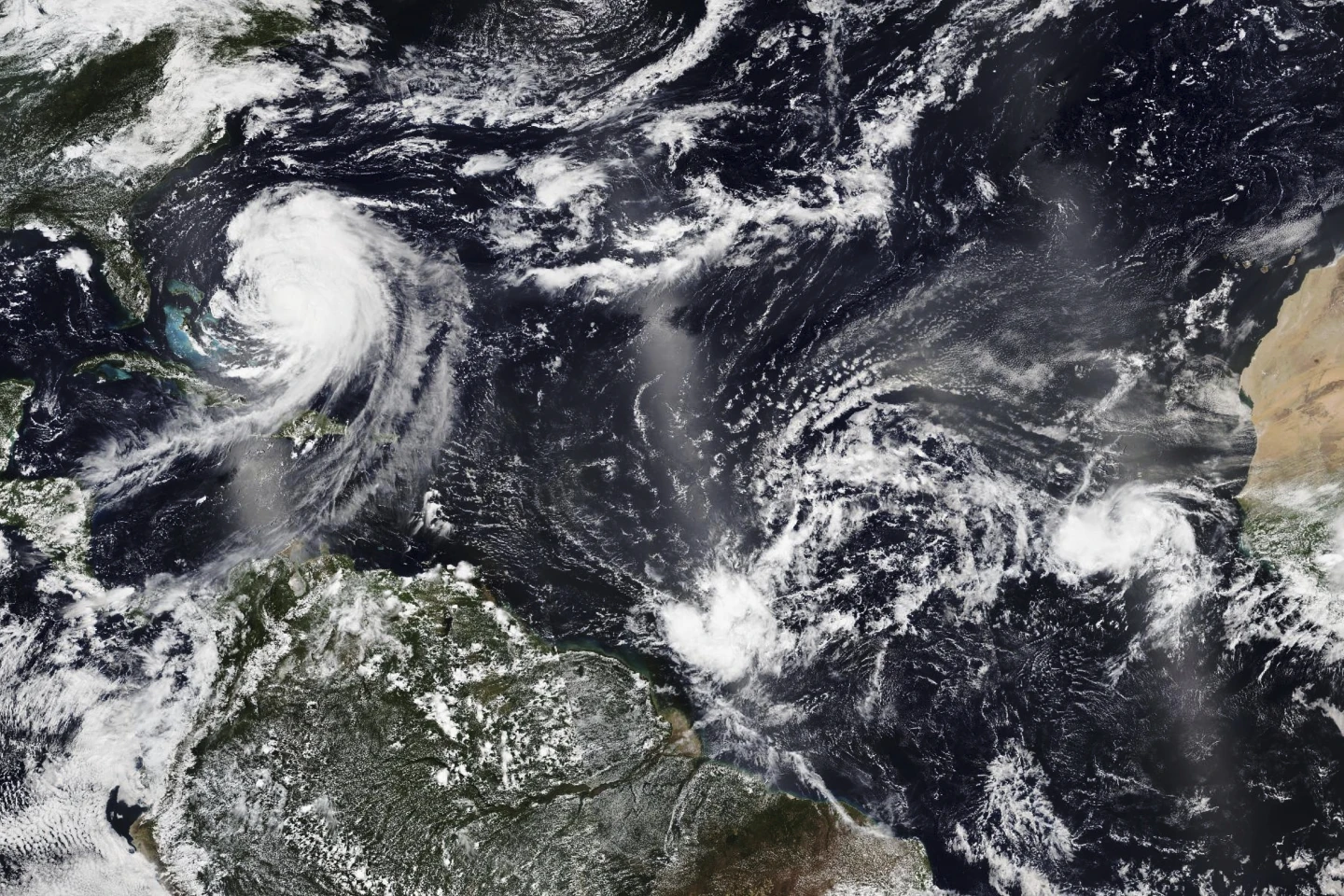
Meteorologists have noted an unusual lack of named storms during the peak of the Atlantic hurricane season, with the last named storm, Tropical Storm Fernand, dissipating in late August. Experts attribute this quiet spell to three key factors: strong vertical wind shear, dry and stable air across the tropical Atlantic, and reduced rainfall in West Africa. Despite the current calm, forecasters suggest that the season could still pick up in late September and early October, with the potential for significant storm activity.
SAN JUAN, Puerto Rico (AP) — The Atlantic hurricane season is experiencing an unprecedented lull, with not a single named storm forming in nearly three weeks, despite the fact that we are in the peak of the season.
Philip Klotzbach, a meteorologist at Colorado State University, expressed the confusion many feel by asking, Where the heck are the Atlantic #hurricanes? on social media.
The last named storm was Tropical Storm Fernand, which formed on August 23 and dissipated just five days later over open waters.
This peculiar calm marks only the second instance since 1950, when full record-keeping began, that no named storms have developed during this crucial time frame, according to Ernesto Rodríguez, meteorologist in charge of the National Weather Service forecast office in San Juan, Puerto Rico.
Rodríguez pointed out that typically, conditions during this period are ripe for hurricane activity.
Quiet Factors
Experts believe three major factors are at play in this odd situation:
- A strong vertical wind shear, or changes in wind speed and direction with altitude, has been notably high due to a cyclonic circulation within the mid-upper troposphere.
- The persistent presence of dry and stable air across the tropical Atlantic inhibits storm formation.
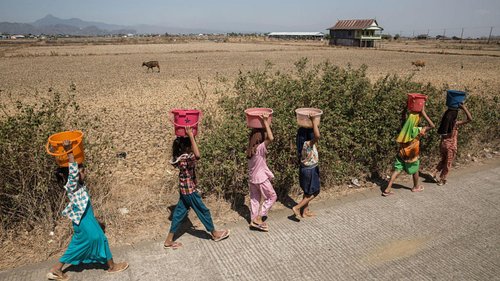
- A significant drop in rainfall in West Africa, where tropical waves typically form during the hurricane season, has also played a part.
This is pretty positive, especially for us in Puerto Rico, Rodríguez said, underscoring the ongoing recovery efforts from Hurricane Maria.
With mid-September arriving, meteorologists remind us that hurricane season is far from over. According to forecasts, conditions may become more favorable for storm development later this month and into early October, as warm ocean temperatures could potentially fuel new storms.
Historical Context
Normally, August and September account for a staggering 80% of hurricane activity in the Atlantic. Yet this year, only six named storms have emerged thus far, compared to NOAA's predicted range of 13 to 18 storms.
Bracing for what could still unfold, forecasters are keeping a close watch on ocean patterns and storm clusters forming hundreds of miles east of the Caribbean.
A report from Colorado State University has underlined the unusual quiet, stating, There has been considerable discussion amongst meteorologists and the general public about the recent quiet period for Atlantic hurricane activity. It's quite remarkable.