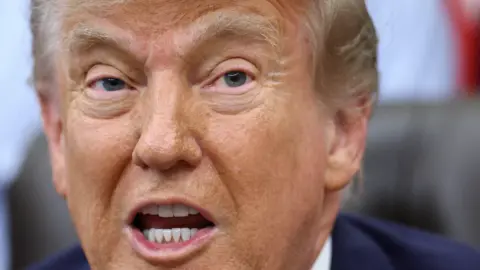
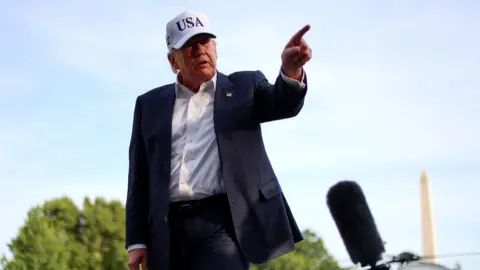
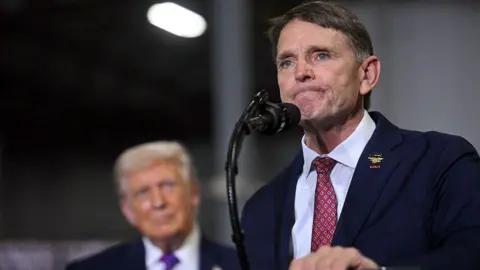
In a statement released by the White House, Press Secretary Karoline Leavitt confirmed that President Trump will determine whether to proceed with airstrikes against Iran "within the next two weeks." This timeline reflects Trump's previous penchant for decisive resolutions, often applied to various policy challenges, from tax initiatives to foreign conflicts.
As the ongoing conflict reached its seventh day, the Israeli military conducted strikes targeting northern sites, signaling an escalation in their campaign against Iranian forces. This uptick in military actions follows a missile barrage from Iran that struck the Soroka Medical Center in Beersheba, marking the first attack on an Israeli hospital since hostilities began. Fortunately, many of the hospital's patients had been evacuated prior to the strike, but injuries were reported among medical staff and remaining patients.
Analysis from national security experts, including David E. Sanger and Tyler Pager, suggests that Trump's adjusted timeline for military engagement opens the door to a variety of tactical options, both overt and covert.
Amid these developments, U.S. intelligence assessments indicate that Iran might expedite its pursuit of nuclear capability if provoked by U.S. strikes on key uranium enrichment facilities or if Israel were to eliminate top Iranian leadership.
In parallel diplomatic efforts, officials from Britain, France, and Germany are set to engage in discussions with their Iranian counterpart today, potentially influencing the direction of negotiations.
While Israel's missile defense systems remain robust, questions linger about how long they can effectively shield the nation from Iranian threats as the situation continues to evolve. Meanwhile, the U.S. Embassy in Jerusalem is working on logistical arrangements to assist American citizens wishing to evacuate the region amidst ongoing hostilities.
As the ongoing conflict reached its seventh day, the Israeli military conducted strikes targeting northern sites, signaling an escalation in their campaign against Iranian forces. This uptick in military actions follows a missile barrage from Iran that struck the Soroka Medical Center in Beersheba, marking the first attack on an Israeli hospital since hostilities began. Fortunately, many of the hospital's patients had been evacuated prior to the strike, but injuries were reported among medical staff and remaining patients.
Analysis from national security experts, including David E. Sanger and Tyler Pager, suggests that Trump's adjusted timeline for military engagement opens the door to a variety of tactical options, both overt and covert.
Amid these developments, U.S. intelligence assessments indicate that Iran might expedite its pursuit of nuclear capability if provoked by U.S. strikes on key uranium enrichment facilities or if Israel were to eliminate top Iranian leadership.
In parallel diplomatic efforts, officials from Britain, France, and Germany are set to engage in discussions with their Iranian counterpart today, potentially influencing the direction of negotiations.
While Israel's missile defense systems remain robust, questions linger about how long they can effectively shield the nation from Iranian threats as the situation continues to evolve. Meanwhile, the U.S. Embassy in Jerusalem is working on logistical arrangements to assist American citizens wishing to evacuate the region amidst ongoing hostilities.