In brief
In the besieged city of el-Fasher, Sudan, residents share their harrowing experiences of loss, hunger, and fear due to ongoing conflict. Smuggled phones reveal their daily battles and the humanitarian crisis exacerbated by continuous bombardments and the military's struggle against paramilitary forces.
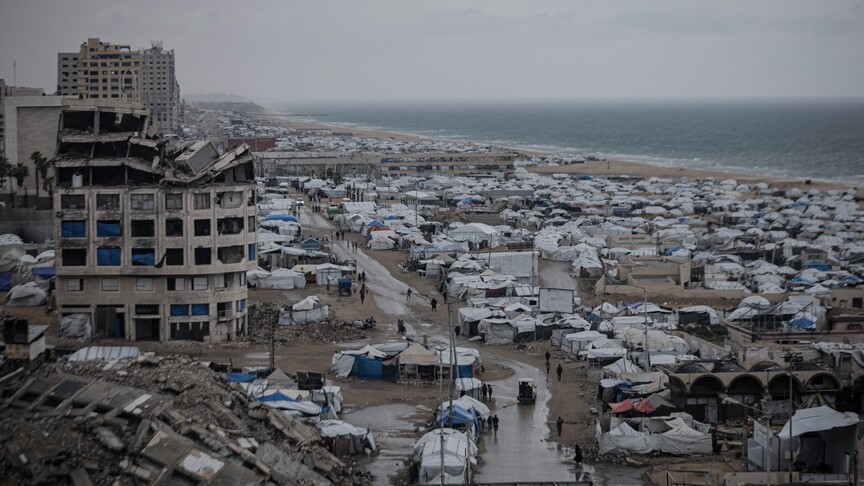
In the heart of Sudan's civil war, the city of el-Fasher remains largely cut off and under siege, where residents face unimaginable hardships. Following the escalating violence between government forces and the paramilitary Rapid Support Forces (RSF), the BBC World Service has worked clandestinely to provide mobile phones to local inhabitants, enabling them to document their experiences as the humanitarian situation intensifies.Hafiza, a 21-year-old from el-Fasher, narrates the anguish of losing her mother when a shell struck the market. "She left no last words. She was dead when she was carried away," Hafiza recalls, illustrating the personal loss amid the chaos of war. With her family shattered, she took on the responsibility of caring for her siblings, revealing the emotional toll of grief and survival in a city besieged for over twelve months.Amidst the constant military bombardment, suppliers and journalists have been unable to access the city, leaving residents to rely on limited communication. Hafiza is among several residents using the BBC-supplied phones to share stories about aggravating conditions and their daily struggles, such as distributing aid to displaced families in shelters.Mostafa, a 32-year-old, shared videos capturing the horrific sounds of war. The echo of shelling and the unfathomable fear of looting are chronicled in his messages. "There is no safe place in el-Fasher," he states, as he describes the lack of clean drinking water and pervasive hunger affecting the community. The government's failure to provide aid has exacerbated the dire situation, with some displaced from the Zamzam camp already facing the grim reality of famine.Manahel, another voice from el-Fasher, also documents her experience, revealing the extent of loss as families struggle for survival. With her father killed by RSF shelling, she explains how her community now faces skyrocketing food prices and limited resources, stating, "Every family is equal now - there is no rich or poor. People can't afford basic necessities."The city, once a vibrant urban center, has transformed into a theater of war, where nights are filled with darkness and fear. Residents have become increasingly vulnerable, particularly women, who face the looming threat of sexual violence amid rising reports of atrocities attributed to the RSF.Tragically, el-Fasher mirrors the destruction seen in el-Geneina, which has been marked by horrific massacres and ethnic targeting, with the RSF allegedly involved. The stories being shared starkly contrast the official narratives propagated by the RSF, depicting a disturbing reality for the inhabitants of these conflict zones.After months of enduring peril, life in el-Fasher has become unbearable for Hafiza, Mostafa, and Manahel, prompting all three to leave the city in search of safety. As they pack their belongings, they express their fears and uncertain futures. "Will we ever return to el-Fasher? When will this war end? We don't know what will happen," Manahel states, underscoring the profound uncertainty faced by millions across Sudan.In a country where over twelve million people have been uprooted, the echoes of their stories continue to resonate, painting a desperate picture of survival and resilience amidst unspeakable adversity. As the conflict persists, the future of Sudan remains precariously poised between hope and despair.