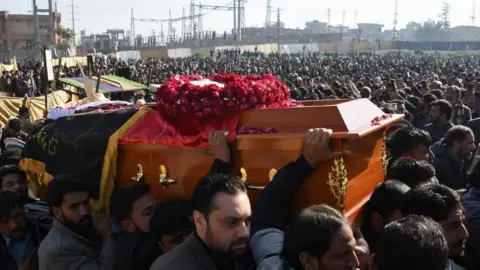
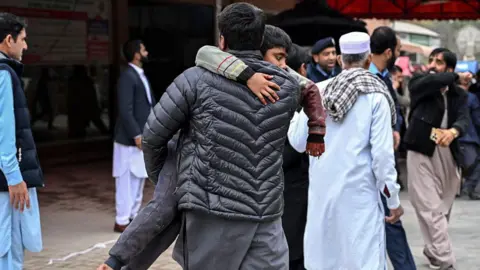
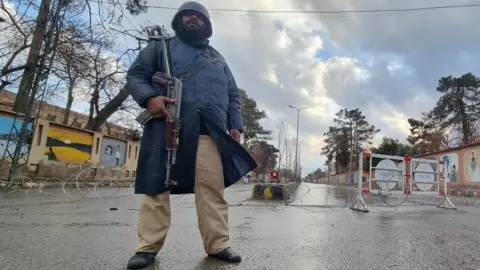
Amid rising public outrage in India, tensions have sharply escalated following a brutal attack in Kashmir that resulted in the deaths of 26 individuals, mostly Hindu tourists. In the wake of the attack, which has been attributed to militants, Indian Prime Minister Narendra Modi has vowed to “hunt down the militants” and their safe havens, indicating potential military action against Pakistan, which India accuses of harboring the attackers—a claim Pakistan vehemently denies.
As anger swells, reports indicate that authorities have detained thousands of Muslims and ravaged homes of those believed to have terrorist ties, particularly in the states of Uttar Pradesh and Karnataka, where incidents described as hate crimes have emerged. The backlash, initially concentrated in Kashmir, has expanded into a broader surge of anti-Muslim sentiment, feeding into a narrative that Modi's party has long leveraged to consolidate Hindu nationalism.
Alongside rising tensions with Pakistan, geopolitical dynamics are shifting as more than 80,000 Afghan migrants have reportedly been expelled from Pakistan since the end of March, many of whom have longstanding ties to the country, creating additional complexities in the region's humanitarian landscape. As the situation develops, analysts warn of the dangerous trajectory of escalating violence and communal strife that could have profound implications for India's social fabric and regional stability.