The Evolving Identity of British Jews Amid Rising Antisemitism
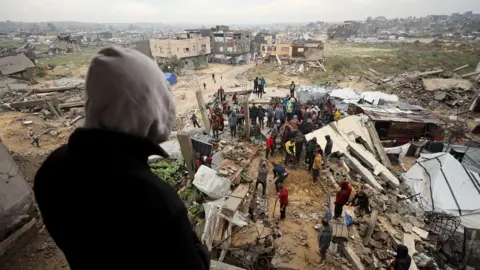
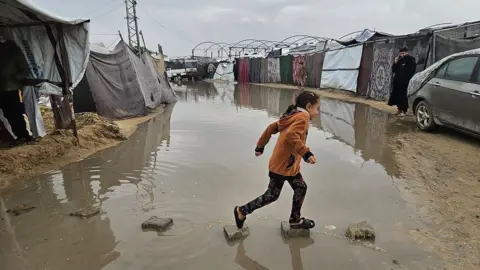
'It's been an incredibly difficult two years,' says Phil Rosenberg, president of the Board of Deputies of British Jews. The recent conflict in the Middle East and the rise in antisemitism have left many British Jews feeling vulnerable and disconnected from their community.
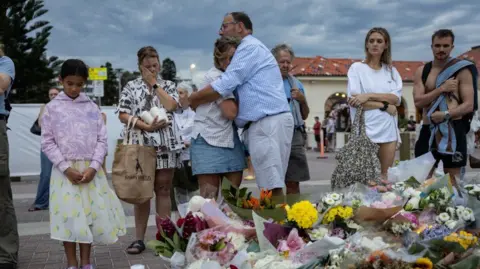
Recent events, including deadly attacks targeting Jews, have led to a significant shift in how British Jews perceive their identity, with a notable increase in conversations around security and safety within their communities. With an alarming number of recorded hate crimes, many now feel the need for heightened vigilance while practicing their faith.
Hate Crimes and Community Responses
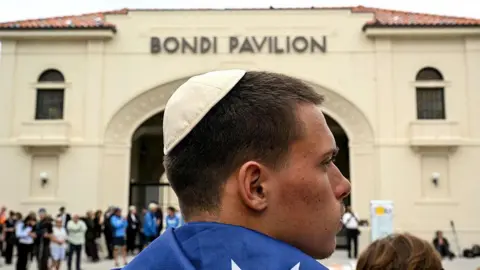
'I've become more active in campaigning against antisemitism,' shares Ben Dory, a London resident who feels a growing need for solidarity within the Jewish community. 'It's alarming to see how some feel the need to hide their kippah until they reach the synagogue.'
Despite the wave of hate crimes, some Jews express a deeper connection to their identity during these trying times. 'Never have I felt as vulnerable as I do now,' says Dame Louise Ellman, reflecting a sentiment echoed across various demographics within the community.
A Generational Divide
Data reveals a stark generational divide in attitudes towards Israel, with younger Jews expressing diverse and often critical views about the state. While 64% of Jews identify as Zionist, only 47% of those aged 20-30 do, indicating a potential shift towards a more complex understanding of Jewish identity in relation to Israel.
Activists argue that this evolving discourse is indicative of broader ethical considerations among younger generations, who are increasingly prioritizing justice and humanitarian perspectives over traditional Zionist narratives.
Internal Conflicts and Future Outlook
Internal discord within the Board of Deputies has also surfaced regarding how to approach contemporary issues surrounding Israel. Open letters highlighting concerns about the Israeli government's actions have sparked debates about the community's unity and direction. Rosenberg emphasizes the necessity of keeping the dialogue open within the Jewish community while facing external challenges.
As tensions rise both globally and locally, the future of Jewish identity in the UK hangs delicately in the balance, calling for a nuanced understanding and, perhaps, a redefinition of community and belonging in light of these contemporary realities.