Air Canada has officially suspended all its flights following the initiation of a strike by cabin crew members demanding better pay and working conditions. The union representing over 10,000 flight attendants confirmed the strike early Saturday morning, implementing a 72-hour industrial action that began at 00:58 ET. In response, Air Canada announced the suspension of its flights, including those from its budget airline, Air Canada Rouge, and has urged travelers to avoid going to the airport unless they intend to fly with another airline.
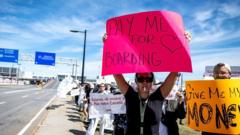
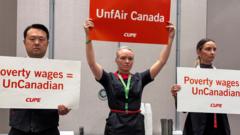
The ongoing strike is expected to impact approximately 500 flights each day. Prior to the strike’s commencement, Air Canada canceled 623 flights on Friday, affecting more than 100,000 passengers, as part of its plan to scale back operations. Flight attendants are set to picket at major Canadian airports, as many passengers have been scrambling to find alternative travel arrangements since the strike was confirmed.
Air Canada has expressed regret over the disruption this labor action is causing to its customers. The airline had proposed a 38 percent increase in compensation over a four-year period, including a 25 percent raise in the first year. Nevertheless, the Canadian Union of Public Employees (CUPE) criticized the offer, labeling it as inadequate, stating that it is "below inflation, below market value, below minimum wage," along with concerns about unpaid work periods for flight attendants.
The airline and the union have exchanged criticism over the efforts to resolve the dispute. Earlier in the month, a substantial majority of union members voted in favor of a strike, a decision underscored by calls from the Canadian jobs minister for both parties to engage in negotiations to avert labor disruption. CUPE has alleged that despite negotiating in good faith for months, Air Canada opted for government intervention for arbitration instead of continuing talks at the bargaining table.
As travel plans for thousands are thrown into disarray, the situation highlights the tensions between labor rights and airline operations amid a significant rise in travel demand post-pandemic.