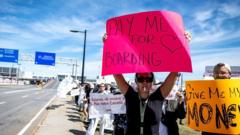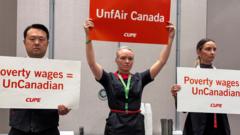
As Air Canada grounded its flights over a strike initiated by flight attendants on Saturday, the federal government has intervened to compel both sides back to negotiating terms. The flight attendants, represented by the Canadian Union of Public Employees (CUPE), issued a 72-hour strike notice earlier this week after reaching a stalemate in contract discussions, citing unresolved concerns about pay and unpaid work hours.
The strike commenced just after midnight Saturday, leading Air Canada to start canceling and delaying numerous flights. On the last operational day before the strike, the airline estimated scrapping around 500 flights, impacting approximately 100,000 passengers. With the strike in full force, Air Canada announced a suspension of its flight services on both its Air Canada and Air Canada Rouge brands, though operations for Air Canada Express, which services roughly 20% of its customers, remained unaffected.
Air Canada's Chief Operations Officer Mark Nasr noted the intricacies of the airline’s operational processes, warning that ceasing all flight operations would take considerable time. Following the strike notice, Air Canada swiftly issued its lock-out notice and began reducing its operational capacity over the three days leading up to the strike.
The union, representing around 10,000 attendants, criticized the airline’s last offer, which included a 38% increase in total compensation spread over four years, highlighting that it fell short of inflation and market rates. Union representatives asserted that the wage proposal would lead to unpaid hours for attendants, undermining their standard of living.
Almost all of the flight attendants—99.7%—voted in favor of the strike, signaling widespread discontent among the workforce. In an attempt to resolve the labor conflict, Air Canada requested government intervention, prompting federal representatives to facilitate negotiations prior to formally involving the Minister of Labour, Patty Hajdu.
Responding to the impasse, Hajdu mandated binding arbitration under Section 107 of the Canada Labour Code, stating the action was necessary for maintaining industrial peace and protecting national interests. The union responded critically, claiming that such interference would undermine fair negotiations and exacerbated existing issues. Although the union initially sought to avoid arbitration, they argued government intervention was unhelpful.
The timeline for resolution remains uncertain; previous strikes, such as by Air Canada pilots in 1998, lasted 13 days and had significant financial repercussions. The government’s involvement may alter the duration of the current standoff, marking the potential for the first strike among flight attendants since 1985.
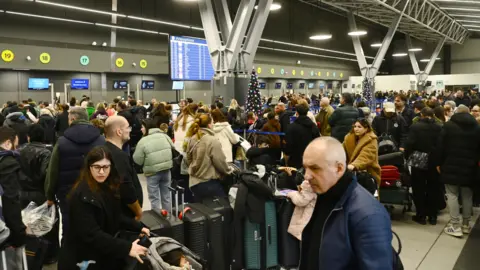
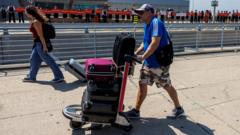
Travelers concerned about cancellations have been urged by Air Canada to refrain from heading to the airport unless they have alternate bookings with other carriers. Refunds for canceled flights will be offered, and the airline is coordinating with other service providers to assist customers with their travel needs. Passengers can also cancel round-trip bookings without incurring fees, as the airline navigates the fallout from this labor disruption.