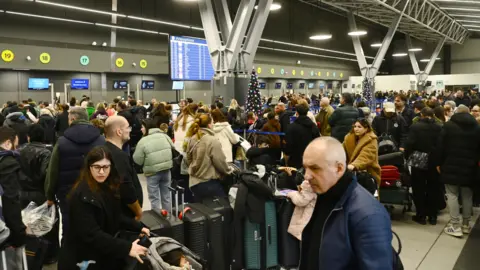
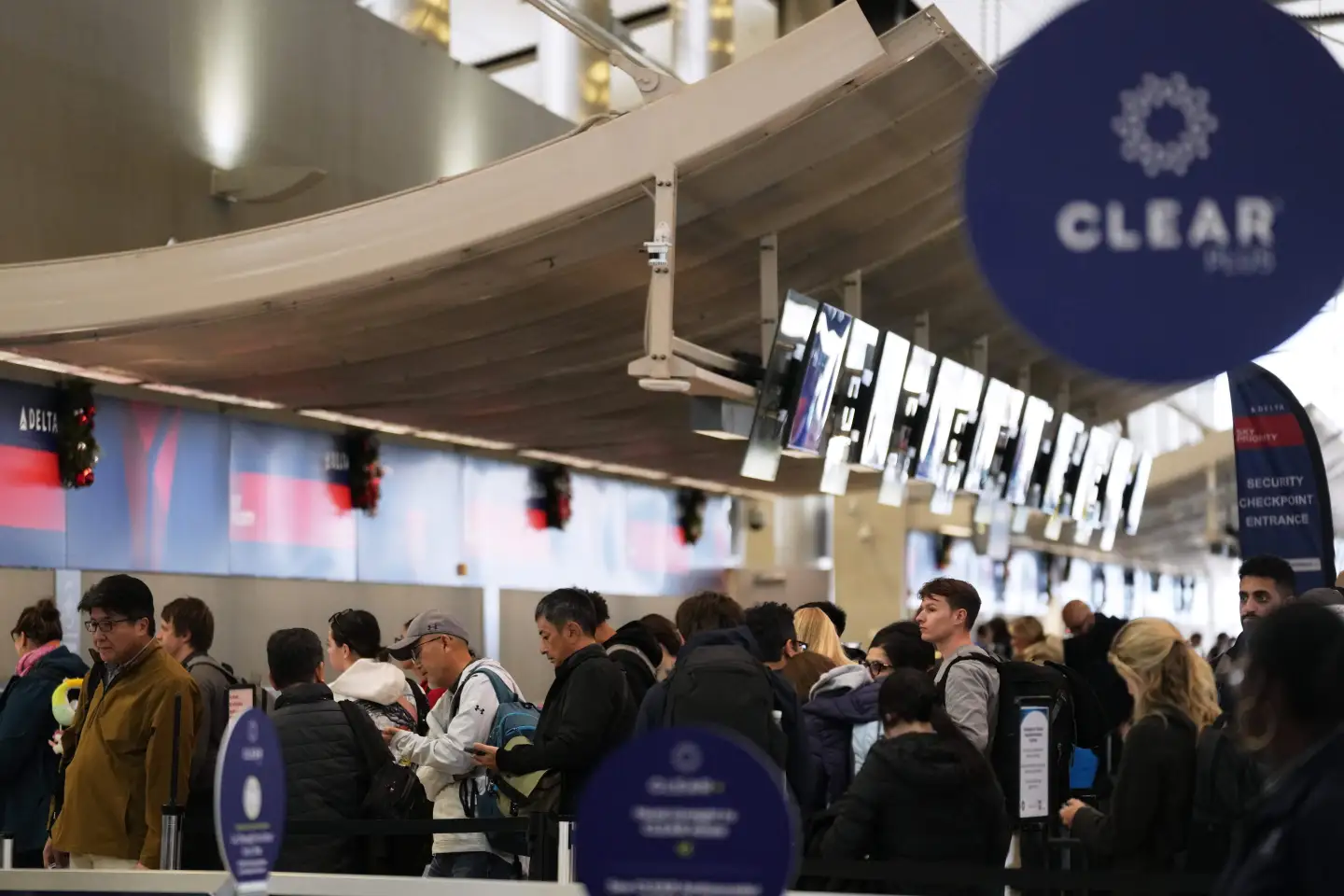
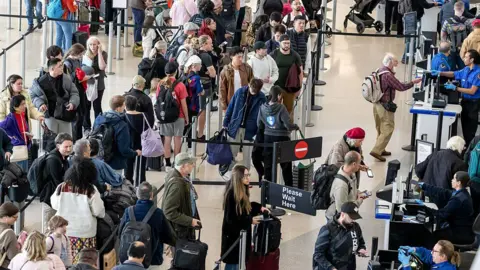
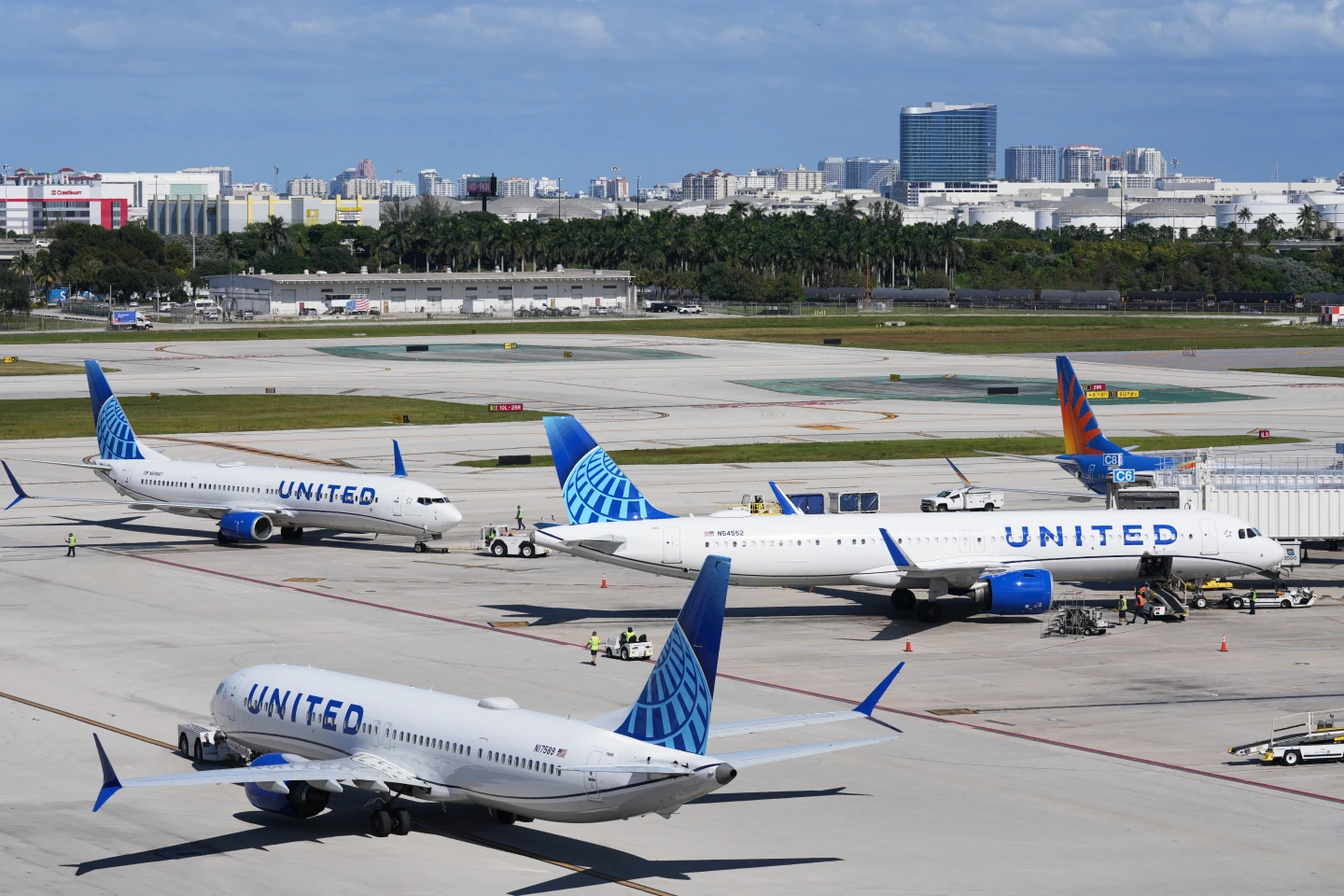
The recent U.S. government shutdown poses significant threats to travel plans, as it may lead to longer queues and interruptions in airport operations. The shutdown began Wednesday following failed negotiations between President Trump and Congress to secure funding for government services.
With a majority of airport employees, including essential personnel for air travel, working without pay, the potential for chaos looms. Geoff Freeman, CEO of the U.S. Travel Association, cautioned that prolonged shutdowns heighten risks for longer TSA lines and cancelled flights.
Traveling Amid Shutdown
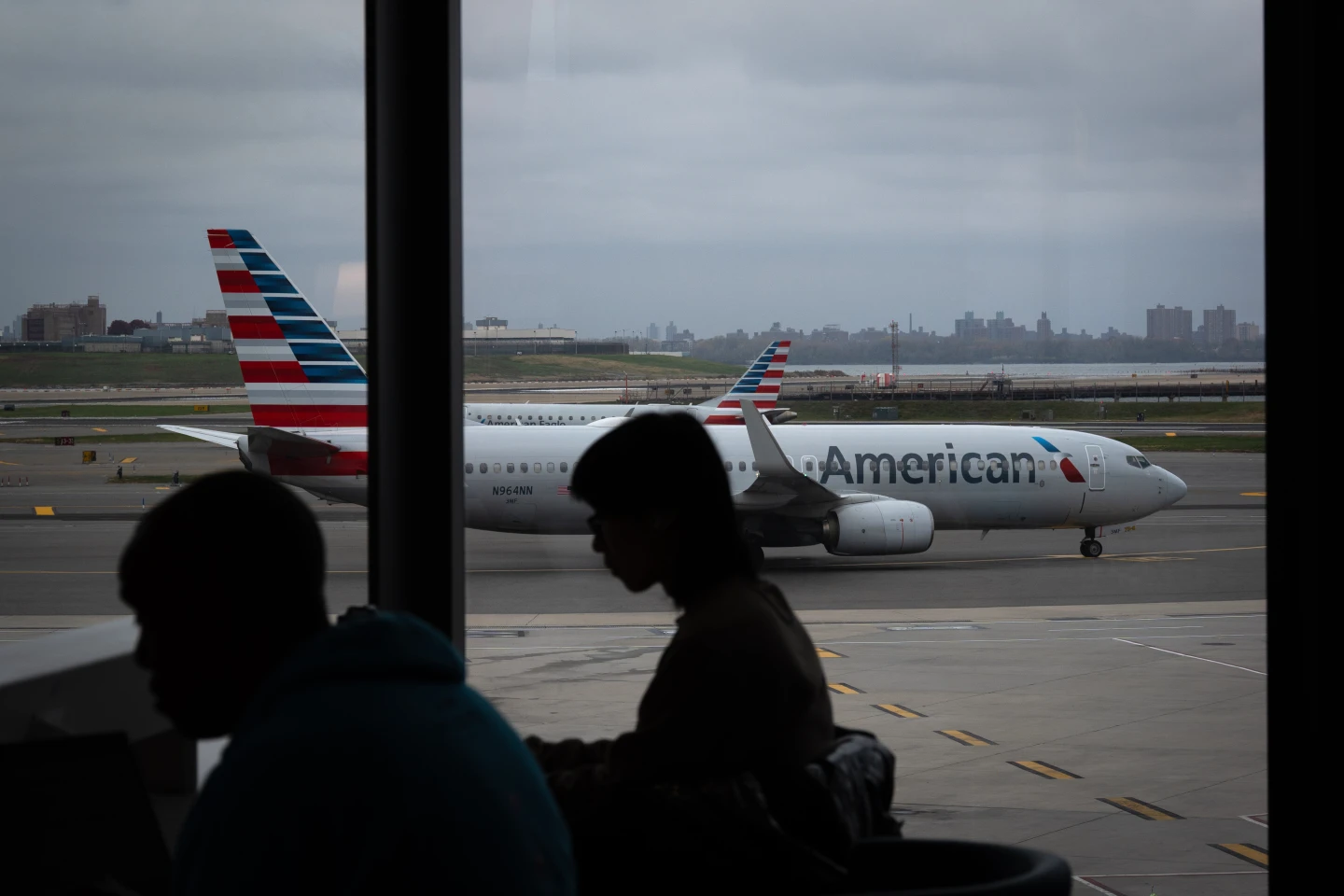
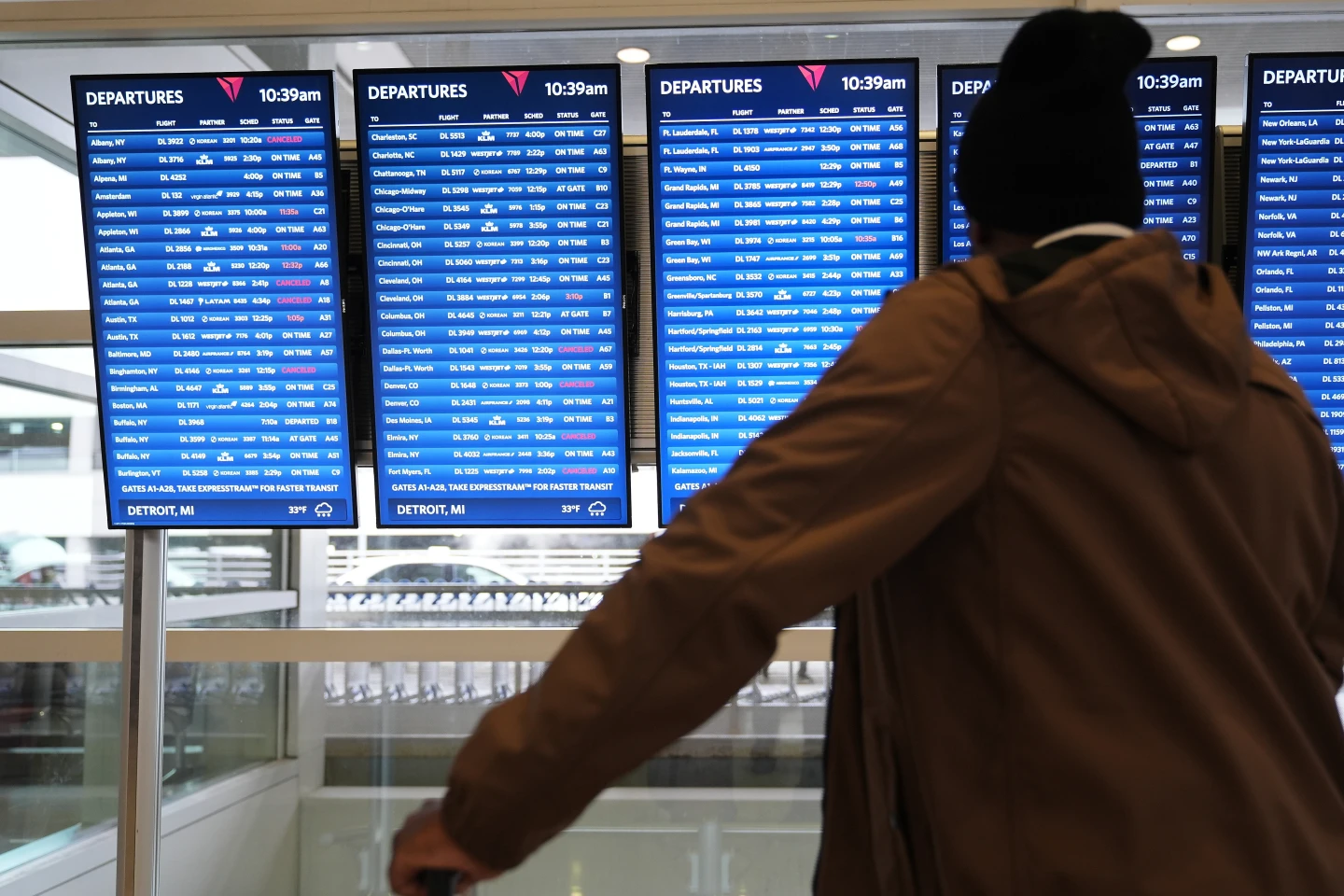
Even though air services remain active, travelers should brace for longer wait times and possible service interruptions during a lengthy shutdown. Approximately 13,200 air traffic controllers and over 61,000 TSA agents have committed to continue their duties, but efficiency may be compromised if the shutdown persists.
As evidenced by the crippling shutdown from 2018 to 2019, unpaid security screeners began calling in sick after weeks without pay, causing significant strain on airport operations. Miami International Airport was forced to temporarily close a terminal due to skyrocketing sick leave among TSA personnel.
International Travel
Ports of entry for international travelers are anticipated to continue functioning despite the shutdown. The Department of Homeland Security predicts that approximately 63,000 Customs and Border Protection workers will remain at their posts to monitor incoming traffic and secure U.S. borders.
Passport and Visa Processing
The U.S. Citizenship and Immigration Services operates predominantly on application fees, which buffers most passport and visa processing from direct shutdown effects. However, the shutdown does halt the E-Verify program that helps employers verify their new hires’ work eligibility.
Museums and National Parks
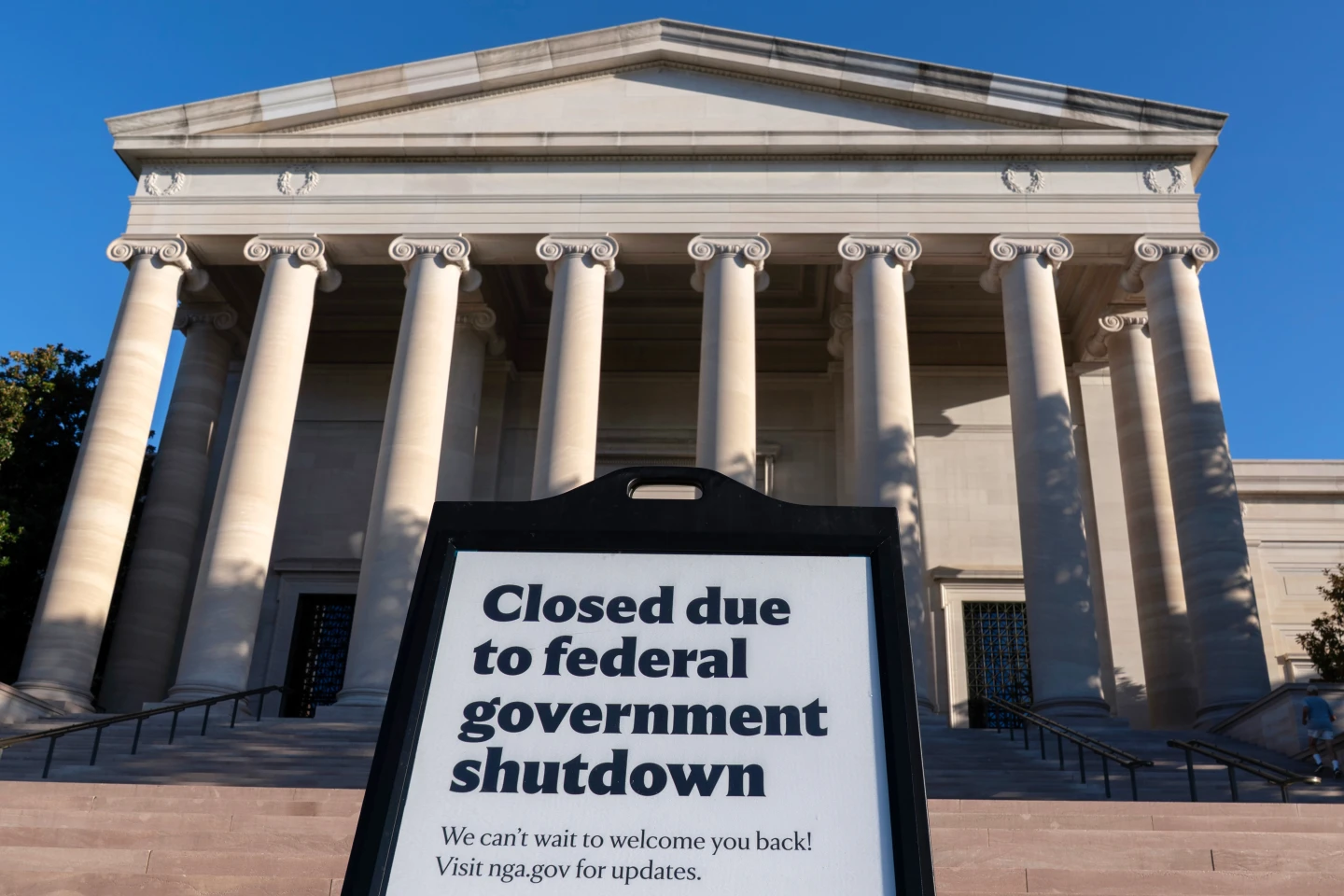
Notably, the Smithsonian museums and the National Zoo will remain open through October 6, with updates available on the Smithsonian website. Meanwhile, despite budget halts, many national parks will remain accessible, although resources may strain if employees cannot maintain necessary services.
As the shutdown continues, travelers are advised to stay informed and plan accordingly to navigate possible delays and complications in their travel schedules.