In brief
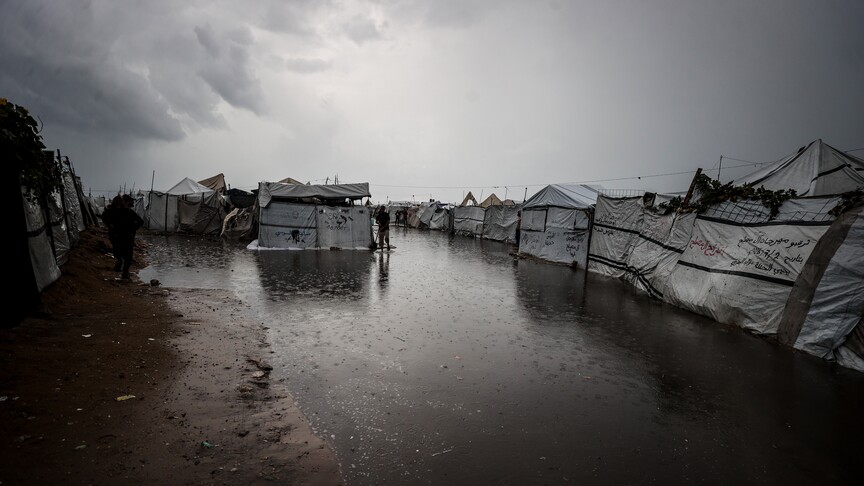
On November 8, 2026, the Saudi King Salman Humanitarian Aid and Relief Center (KSrelief) served 24,500 meals in central and southern Gaza. The initiative, announced by the Saudi Press Agency, aims to meet essential needs and strengthen household resilience amid the ongoing humanitarian crisis. Analysts note the scale of the operation highlights Saudi Arabia’s ongoing commitment to Palestinian relief.
On November 8 2026, the Royal Saudi Arabia government’s KSrelief central kitchen in the Gaza Strip dispatched 24,500 meals to families across the central and southern regions of the Strip, a relief effort announced by the Saudi Press Agency (SPA) in an official statement.
The Saudi Press Agency reported that the meals were distributed as part of a national relief campaign aimed at meeting the essential needs of affected families and reinforcing their resilience amid the continuing humanitarian crisis in Gaza.
According to the SPA release, the deliveries occurred in collaboration with local authorities in the Gaza Strip, with the central kitchen operating at full capacity to manage the volume of service. The statement noted that the outreach covered an extensive demographic, encompassing a wide range of families in dire need of nutritional support.
As noted by the SPA, the agency, officially named the King Salman Humanitarian Aid and Relief Center, has been a consistent provider of aid to Palestinian communities during periods of heightened conflict. The organization’s role in coordinating logistics and gathering resources for mass distribution is highlighted in the release: its central kitchen remains one of the few large-scale operational centers capable of preparing sufficient quantities of nourishing meals under contested conditions.
It was mentioned in the SPA communication that the 24,500 meals encompass a variety of staple items suitable for the local diet, with the intent of ensuring that basic nutritional standards are met for each recipient household. There is no direct mention of the specific menu items or sourcing details, but the emphasis on “essential needs” underscores the focus on staple nourishment rather than luxury goods.
Experts on humanitarian logistics have noted that the capacity to serve such a high volume of meals in a short timeframe is a significant logistical achievement, especially in areas where infrastructural disruptions are common. According to analysts, the success of such an operation reflects not only the resources committed by the central kitchen but also the coordination between Saudi aid agencies and local distribution networks.
While the SPA statement does not disclose the distribution method—whether meals were handed out at community centers, schools, or via direct household delivery—other reports have documented that similar operations in Gaza have employed a mix of centralized distribution points and mobile units to reach the broadest possible audience. The lack of confirmation from the SPA leaves the distribution strategy open to interpretation.
Open questions remain regarding the frequency and sustainability of such relief efforts. The SPA release stated that the 24,500 meals were part of a “national campaign,” yet there is no mention of subsequent shipment schedules or follow-up deliveries. Analysts argue that ongoing support would be critical for families affected by ongoing conflict, and stakeholders have called for continued investment in adaptable relief frameworks that can respond to fluctuating needs.
Another point of inquiry is the financial backing and budget allocation for the central kitchen’s operations. While the SPA highlights the drive to strengthen resilience, it does not enumerate the specific resources—such as food procurement costs, labor, or logistical expenses—that underpinned the project. Understanding the cost structure could illuminate the efficiency and scalability of the approach in future crisis scenarios.
Additionally, questions arise regarding the coordination between Saudi and Israeli authorities or potential Israeli restrictions that may affect the movement of aid into Gaza. The SPA statement does not address any permissions obtained, thus leaving a gap in the broader diplomatic context of the relief operation.
The broader impact of the relief effort on household resilience was cited as an aim by the SPA. While concrete metrics on how resilience is measured are not provided, researchers typically look at factors such as food security, health outcomes, and mental well‑being when assessing resilience. Without direct data, stakeholders may look to independent assessments from international organizations to gauge the effectiveness of the program.
Current observers suggest that the 24,500‑meal operation could serve as a model for rapid response initiatives. By demonstrating the feasibility of large‑scale meal production and distribution in conflict zones, Saudi Arabia’s KSrelief may be influencing best practices in humanitarian aid coordination. Nonetheless, ongoing monitoring is essential to confirm that the intervention’s positive outcomes are sustained over time.
In sum, the Saudi Press Agency confirmed that 24,500 meals were delivered to families in central and southern Gaza by KSrelief’s central kitchen on November 8 2026. The relief effort underscores Saudi Arabia’s continued commitment to Palestinian humanitarian needs. While the report details the magnitude of the delivery, important questions remain regarding distribution logistics, funding structure, coordination with local authorities, and the durability of the support in the long term. As the crisis persists, stakeholders will be watching how Saudi-led assistance evolves to meet the ongoing needs of Gaza’s population.