
In brief
The case initiated by Vanuatu could reshape future climate litigation globally.
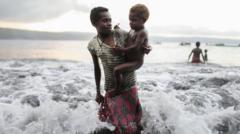
The International Court of Justice (ICJ), located in The Hague, has commenced hearings on a landmark case that may significantly define the legal duties of nations concerning climate change. Nearly 100 countries, with the Pacific island nation of Vanuatu leading the charge, are participating in the proceedings aimed at seeking a legal opinion on the issues of climate action and reparations for the harm caused by rising global temperatures. Although the court's decision will not be legally binding, it holds the potential to influence climate-related lawsuits worldwide, providing a framework for nations to address their responsibilities in combating climate change and mitigating its effects. Vulnerable island nations like Vanuatu are particularly at risk, as they face severe consequences from rising sea levels and extreme weather events. The notion of obtaining a legal opinion from the ICJ emerged five years ago, stemming from law students in Fiji, and was subsequently advanced by Vanuatu. This island nation has experienced firsthand the dire impacts of climate change, with 80% of its population affected last year by a devastating double cyclone that led to a six-month state of emergency declaration. Vanuatu's advocacy, alongside that of other nations, resulted in the UN General Assembly referring two critical questions to the ICJ: firstly, the obligations nations have under international law to minimize greenhouse gas emissions and, secondly, the legal ramifications for states that have caused significant environmental harm through their actions or inactions. Ralph Regenvanu, Vanuatu's special envoy, emphasized the urgency, stating, "We are on the frontline of climate change impact. Our call for an advisory opinion from the ICJ on climate change is at a pivotal moment... one that sets clear the international legal obligations for climate action.” Even though the court's ruling may not carry legal weight, it is anticipated that it could be utilized in future legal battles where developing countries seek compensation for damages connected to historical emissions from developed nations. This court case arises shortly after the conclusion of the COP29 climate summit in Azerbaijan, where developing countries expressed frustration over the commitment from wealthier nations to provide $300 billion annually for climate finance by 2035, deeming it inadequate for their needs. The hearings will involve testimonies from various countries, including major powers like the USA and China, as well as representatives from the oil-producing group OPEC. The sessions are scheduled to continue until December 13, with the ICJ expected to deliver its advisory opinion in 2025.

