In brief
The recent attack in the French Quarter is part of a disturbing trend of vehicle ramming incidents, raising questions about security and response to such tactics.
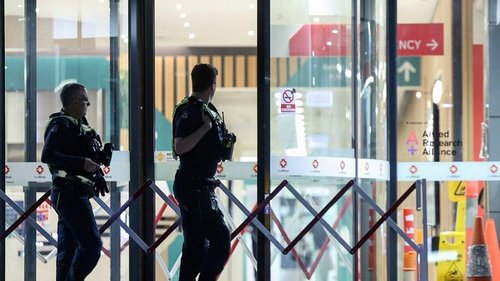
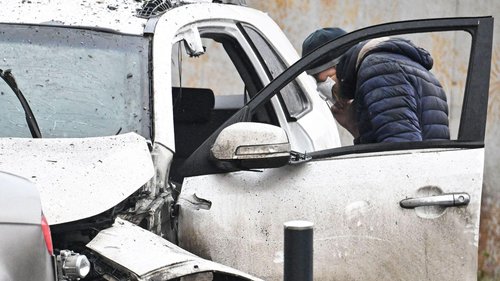
In the early hours of New Year’s Day 2025, a festive celebration in New Orleans turned tragic when a man deliberately drove his pickup truck into a crowd on Bourbon Street. Local officials have confirmed at least 10 fatalities and approximately 30 injuries from this horrifying attack, which authorities are investigating as an act of terrorism.This incident highlights a troubling pattern of vehicle-based assaults targeting public gatherings. While not originally intended as a method of terrorism, the use of cars and trucks as lethal weapons has been increasingly adopted by extremist groups and individuals motivated by radical ideology.Understanding the reasons behind the use of vehicles in such attacks is essential. In developed nations, cars and trucks are commonplace, making them accessible means for individuals with little to no training to inflict mass harm. The Federal Bureau of Investigation (F.B.I.) emphasizes that the ease of converting everyday vehicles into instruments of terror allows for significant devastation with minimal effort.The researchers Vincent Miller and Keith Hayward noted in their 2019 study published in The British Journal of Criminology that these attacks can transform an ordinary object into a “lethal, semi-strategic weapon.” This transformation empowers "marginal actors" to infiltrate urban areas and instigate widespread fear.As communities grapple with the horrific aftermath of the New Orleans attack, questions linger about how such tragedies can be prevented in the future. Enhanced security measures, public awareness campaigns, and collaboration with law enforcement agencies are crucial steps in addressing the increasing threat posed by vehicle ramming tactics.