In brief
Critics of the Trump administration's aid freeze warn it could ignite humanitarian disasters, harming millions in need globally while tarnishing the U.S.'s international reputation.
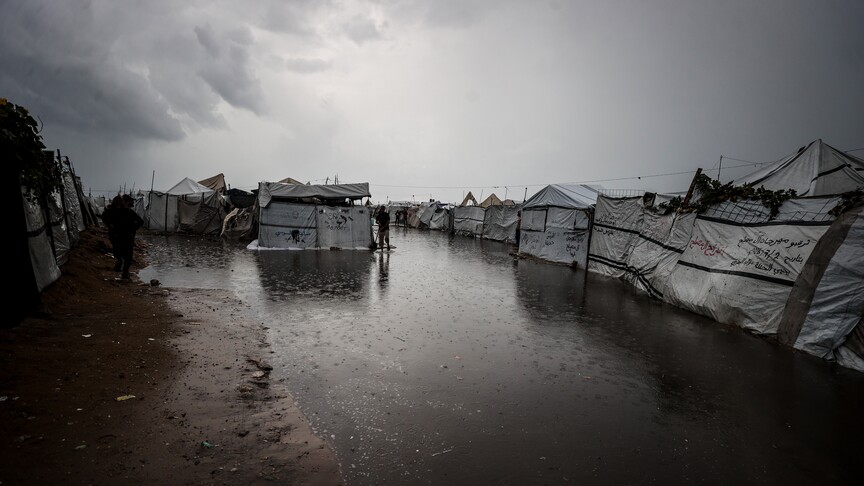
In an unprecedented move, President Trump's executive order placing a 90-day freeze on most U.S. foreign aid has triggered chaos within vital global humanitarian programs aimed at alleviating hunger, combating diseases, and providing shelter for displaced populations. The U.S. Agency for International Development (U.S.A.I.D.), which plays a pivotal role in delivering such aid, is facing significant operational challenges as a result.The executive order has impacted U.S.A.I.D.'s workforce, with reports indicating that numerous staff members have been called back to the U.S. from their international posts, with many placed on indefinite administrative leave. The shake-up has further included shifting oversight of the agency to the State Department, in a restructuring touted by critics as detrimental to America’s humanitarian mission.Allegations of systemic corruption and inefficiency within U.S.A.I.D., raised by Trump and championed by budget strategist Elon Musk, lacked substantiated evidence. Nonetheless, the billionaire’s dismissive remarks about U.S.A.I.D. signal an aggressive push toward slashing the agency's budget and initiatives.The implications of this aid freeze are becoming starkly apparent. Aid workers have emphasized that vital services—such as maternal care and vaccination programs—are already showing signs of halting, with some facilities forced to suspend operations entirely. A recent report highlighted that a staggering 40 newborns per day are at risk of contracting HIV due to interrupted funding for essential treatments.Further complicating matters, critical intelligence operations aimed at monitoring Al Qaeda activity have been disrupted, raising concerns about national and global security. Amid these developments, legal pushback has emerged, with a judge temporarily blocking parts of the administration's plan to close U.S.A.I.D., though the aid freeze remains in place.Critics argue that this drastic shift in policy not only threatens the lives of vulnerable populations but also jeopardizes the United States’ standing as a reliable humanitarian partner on the world stage.