In brief
U.S. immigration firms have seen a dramatic spike in Brazilian inquiries after President Luiz Inácio Lula da Silva’s re‑election, with over 1,300 calls in a single day and sharp rises in Google searches for countries such as Paraguay, Uruguay and Chile. Brazilian families and skilled workers are reportedly exploring legal pathways to move abroad, prompting concerns about future pressure on housing and public services in popular destination nations. The response echoes Lula’s repeated post‑election migration pattern, though analysts say this year’s increase is unusually high.
After President Luiz Inácio Lula da Silva secured his fourth term in Sunday’s runoff, U.S. immigration lawyers in Florida and Orlando reported an unprecedented spike in inquiries from Brazilian families and highly skilled professionals wanting to relocate abroad. In one day, two Florida‑based firms recorded more than 1,300 questions, a level not seen since the 2022 election.
Piquet Law Firm in Miami logged 700 inquiries on Monday, a sharp jump from its usual 500 to 600 monthly volume, founder Alexandre Piquet told Brazil’s newspaper Folha de S.Paulo. The Orlando office of Bicalho Legal Consulting said it received 643 inquiries that day, compared with a daily average of 20, founder Vinícius Bicalho noted. Both attorneys said an increase usually follows Brazilian elections, but this year’s rise was “unusually large.”
A third U.S. immigration company, D4U Immigration, reported a 2,154% increase in daily queries after the vote, according to Brazilian news outlet Metrópoles. D4U kept extra staff on duty to field requests for permanent residency information. The firms say the influx is largely driven by families with the means to invest in the U.S. and professionals looking at visa streams.
Online interest extended beyond the United States. A Google Trends analysis released Tuesday by CityTudo showed that searches for “moving to Paraguay” surged roughly 7,600% on Oct. 26 and 27 compared with the prior week. Searches for Uruguay grew 3,200%, Chile 1,700%, and foreign‑language queries for Portugal, Canada and the United States also spiked. The Brazilian financial daily Valor Econômico identified a 1,700% rise in the exact phrase “como morar no Paraguai” immediately after the election.
In an opinion piece on Monday, Forbes Paraguay’s Oscar Mersan De Gásperi—director of consulting firm M360 Paraguay—predicted that Lula’s re‑election could trigger the largest wave of Brazilian immigration Paraguay has ever seen. He warned that an influx could put strain on the country’s housing market and public services, though he did not provide a specific projected headcount.
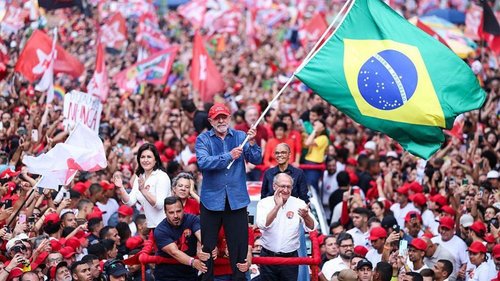
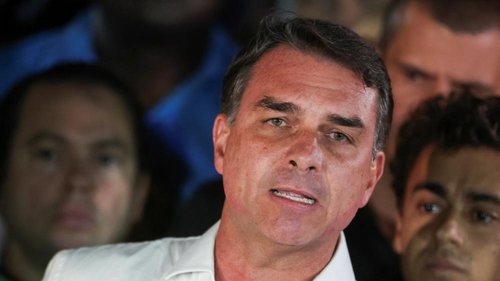
The spike in relocation interest reflects a longstanding pattern following Lula’s electoral victories. The most recent runoff, held on Sunday, saw Lula beat Flávio Bolsonaro with 51.76% of valid votes to Bolsonaro’s 48.24%. The result, announced by Brazil’s Superior Electoral Court, marked Lula as the first candidate to win a runoff after finishing second in the first round, a rare feat in Brazil’s two‑round system.
While the focus in the United States has been on legal pathways for highly skilled workers and families, neighboring South American countries also anticipate increased pressure. Local officials in Paraguay, Uruguay and Chile have prepared to receive additional demand for housing, healthcare and social services, and several municipal administrations are reviewing capacity plans.
In a broader diplomatic context, Indonesian President Prabowo Subianto publicly congratulated Lula on his fourth term, urging both nations to deepen strategic partnership and address shared global challenges. Prabowo’s post, quoted by ANTARA, highlighted the “great challenges of the time” and called for strengthened friendly ties. Though unrelated to the migration surge, his statement underscores Lula’s growing international influence amid a domestic wave of emigration concerns.
Overall, the data from several U.S. firms and online search platforms suggest that Lula’s re‑election has triggered an unusually large wave of migration intent, raising urgent questions about housing supply, public service capacity and immigration policy both in Brazil and prospective host countries. Authorities remain unprepared for the potential demographic shifts, and analysts urge closer monitoring of trends as the situation evolves.