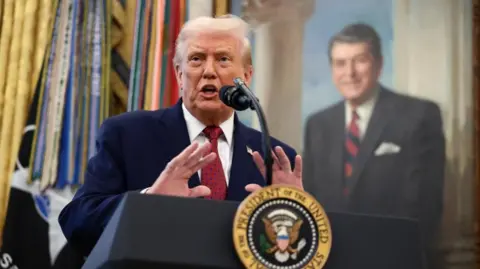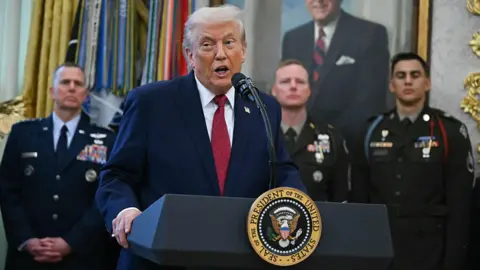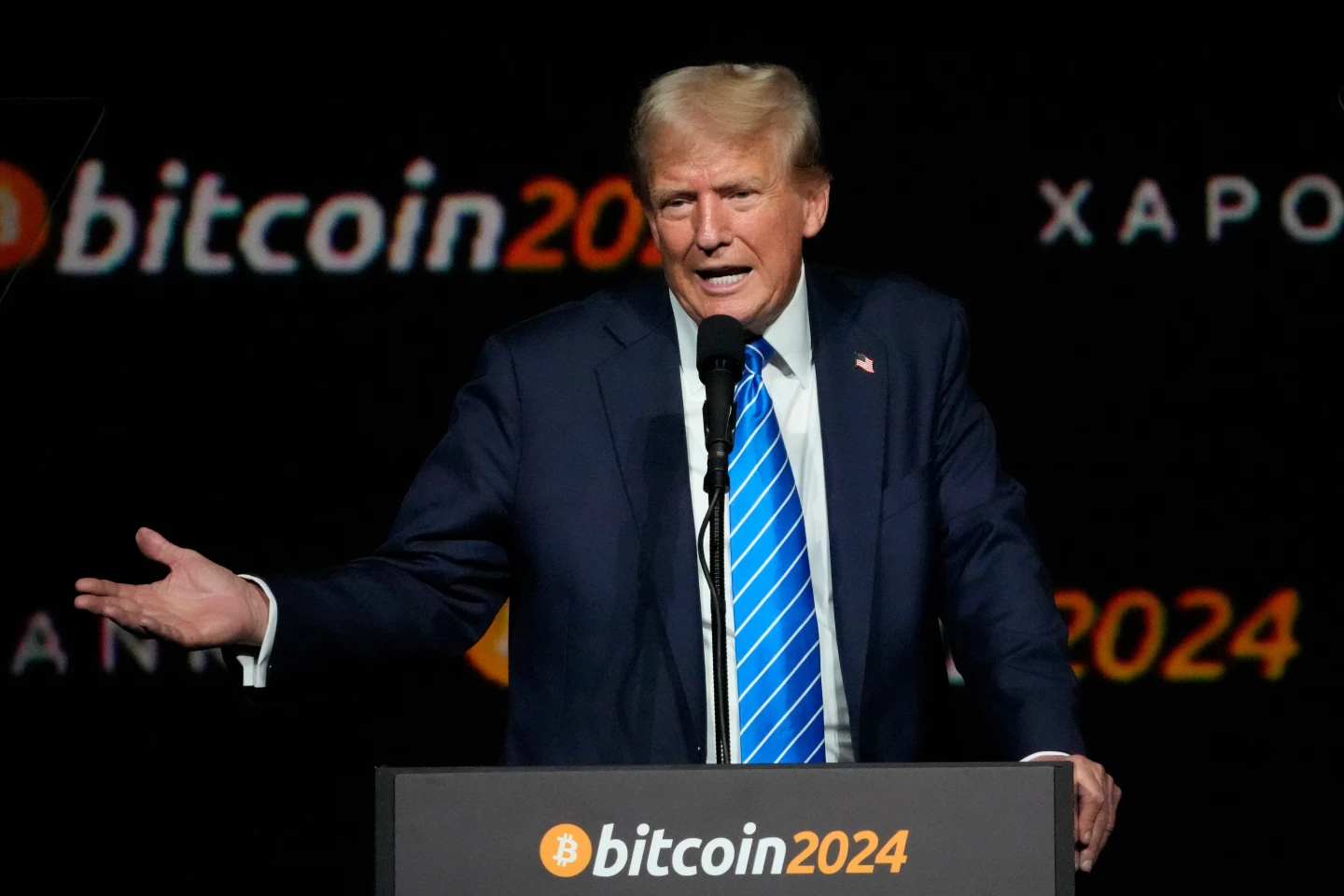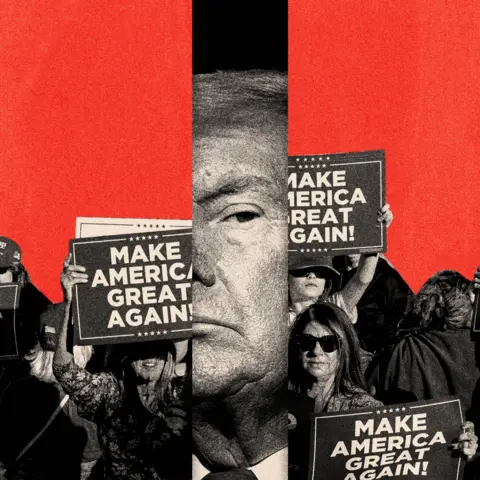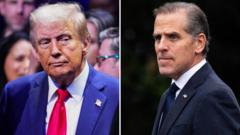
Both families have faced scrutiny for their alleged legal misdeeds, with Joe Biden recently pardoning Hunter and denouncing what he describes as politicized prosecutions. This echoing sentiment aligns strikingly with Trump's outbursts regarding his own legal troubles, specifically the hush-money case linked to Stormy Daniels which ultimately resulted in his conviction on felony counts.
Both Trump's and Hunter Biden's cases involved incidents that occurred years prior, leading many to question the motivations behind the timing of the prosecutions. Trump's infamously controversial payments to Daniels took place during his 2016 campaign while Hunter's application for a handgun occurred in 2018 amid his documented struggles. The legal proceedings against each figure also invoked the extraordinary use of laws often applied in unusual contexts, stirring debate over appropriate motivations for their charges.
Despite notable differences—such as Hunter Biden's lack of political position and the severities of the charges against Trump—both figures are leveraging the sentiment of political favoritism in the judicial system. Current political observers, including legal scholars, caution that the perception of a dual standard in legal accountability highlights profound public distrust in governmental institutions.
In light of these developments, it appears that the perceptions of justice—and the perceived defenses of power—are emblematic of a wider disillusionment affecting both sides of the American political spectrum, showcasing how each leader employs narrative in the face of their legal dilemmas.
Both Trump's and Hunter Biden's cases involved incidents that occurred years prior, leading many to question the motivations behind the timing of the prosecutions. Trump's infamously controversial payments to Daniels took place during his 2016 campaign while Hunter's application for a handgun occurred in 2018 amid his documented struggles. The legal proceedings against each figure also invoked the extraordinary use of laws often applied in unusual contexts, stirring debate over appropriate motivations for their charges.
Despite notable differences—such as Hunter Biden's lack of political position and the severities of the charges against Trump—both figures are leveraging the sentiment of political favoritism in the judicial system. Current political observers, including legal scholars, caution that the perception of a dual standard in legal accountability highlights profound public distrust in governmental institutions.
In light of these developments, it appears that the perceptions of justice—and the perceived defenses of power—are emblematic of a wider disillusionment affecting both sides of the American political spectrum, showcasing how each leader employs narrative in the face of their legal dilemmas.