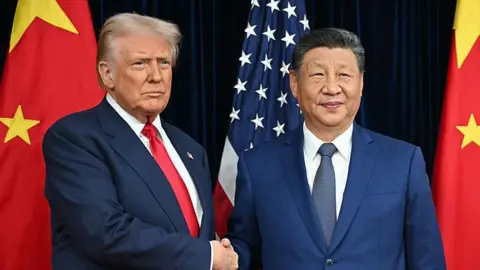
At a meeting of his cabinet at the White House two weeks ago, US President Donald Trump looked around the long room filled with his top advisers, administration officials, and aides, and made a prediction. The next Republican presidential candidate, he said, is probably sitting at this table. It could be a couple of people sitting at this table, he added, hinting at possible electoral clashes to come.
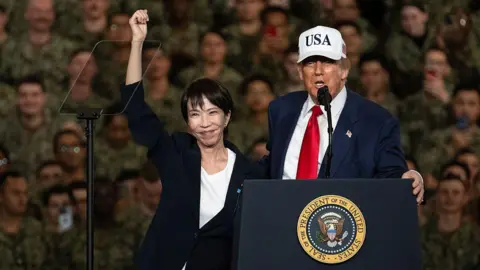
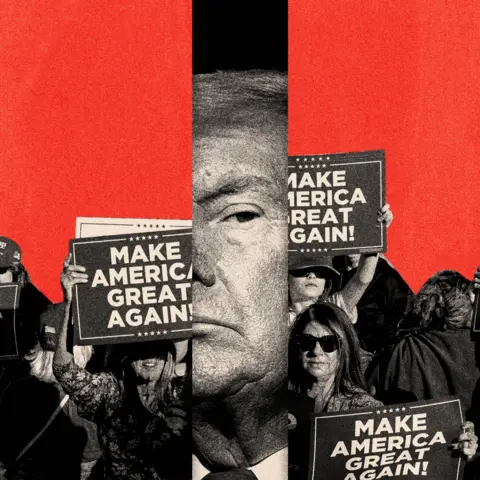
Despite a constitutional amendment limiting him to two four-year terms, his supporters chanted four more years at a rally last Tuesday night in Pennsylvania. Trump said at the time that the final three years of his second term amount to an eternity. But in the cabinet room last week, when talking about prospects for the 2028 Republican president nomination, he was clear: It's not going to be me. The next presidential election may seem a long way off, but Trump's own speculation—and certain frictions within Trump's coalition—suggest that the jockeying to succeed and define the Make America Great Again (MAGA) movement after Trump is well underway.
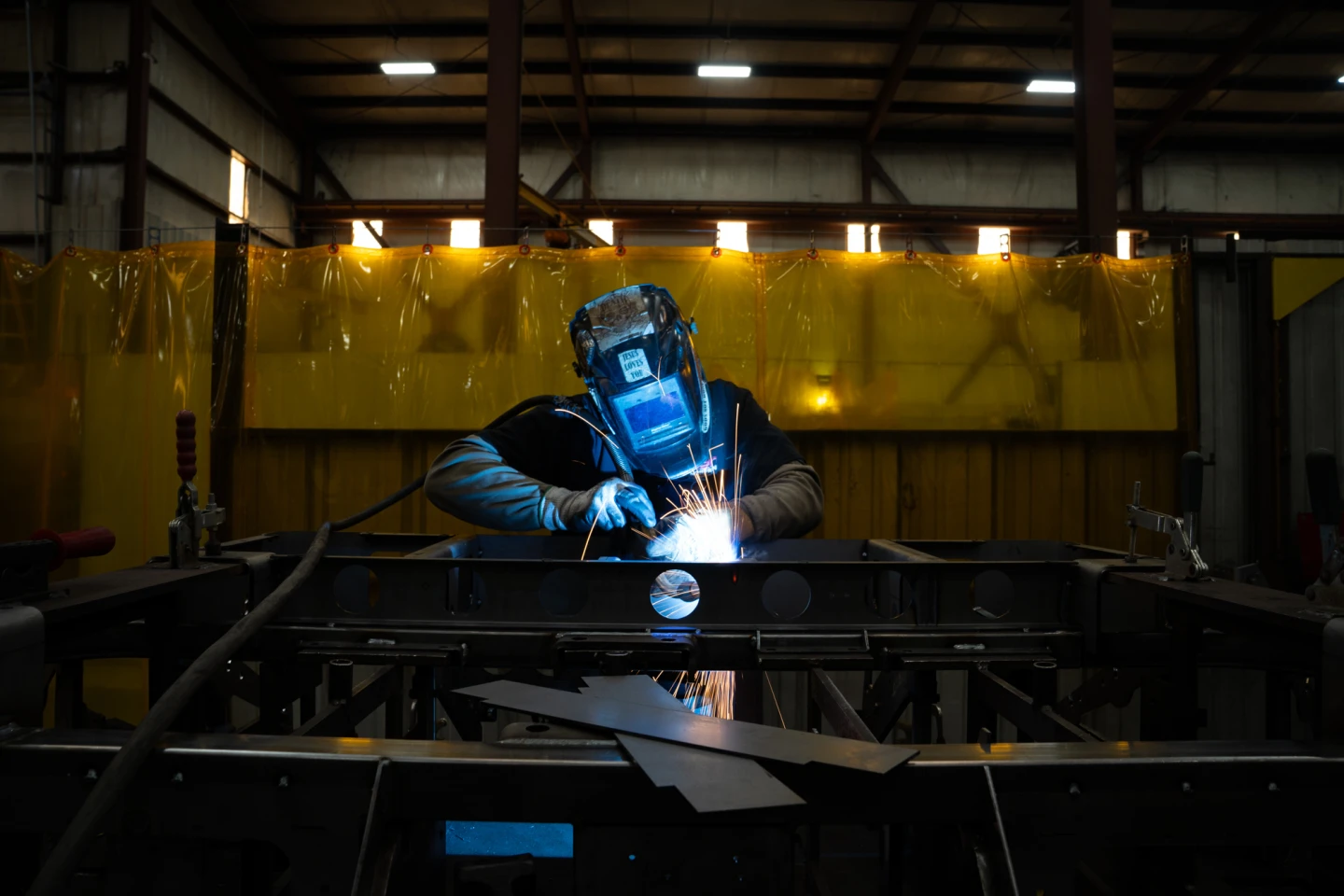
In last month's local elections, the Republican Party lost support among the minority and working-class voters who helped Trump win back the White House in 2024. Members of his team have feuded over policy. And some, notably Congresswoman Marjorie Taylor Greene, have cut loose from his orbit, accusing the president of losing touch with the Americans who gave him power. There has been speculation about fractures within the MAGA base in certain quarters of the international press, as well as at home. On Monday, a headline in The Washington Post asked: MAGA leaders warn Trump the base is checking out. Will he listen?
The warning signs are there. While Trump has long been known for being in tune with his base, the months ahead will pose a series of challenges to the president and his movement. Nothing less than his political legacy is at stake.
Two weeks ago, in the newly redecorated gold-bedecked cabinet room, it was all smiles and talk of historic presidential achievements. However, the aspirants Trump may have had in mind as he looked around the table hint at just how hard it could be to keep his MAGA movement from stretching apart at the seams. Vice-President JD Vance, widely considered Trump’s most likely heir apparent, sat directly across from the president, reflecting a connection to Trump’s populist base.
Meanwhile, Secretary of State Marco Rubio, having undergone a MAGA transformation, is believed to bring an old-guard Republican influence to Trump’s administration. Yet tensions stirred when discussions arose surrounding Trump’s approach to policy and how to attract more working-class voters.
The shifting alliances within the Republican ranks highlight the complexity of a movement built on Trump's unique blend of populism and traditional conservativism. As the base evolves, questions arise about its future: will the party continue to embrace the polarizing tactics that have defined Trump's tenure, or will it seek broader appeal to retain the new entrants attracted during his campaigns?
Looking ahead, as the Republican Party braces for the 2026 mid-term elections and beyond, the challenge will be to consolidate support within a divided electorate, while the specter of Trumpism looms large—not merely as a relic of past elections but as the defining future of the Republican landscape.