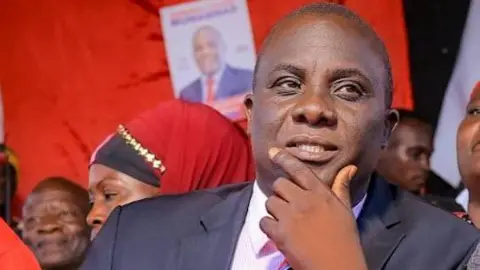
A Uganda prison officer has been sacked for criticizing the government on TikTok, in a rare move authorities said amounted to 'gross indiscipline'.
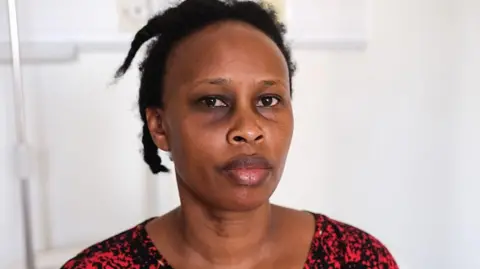
Lawrence Ampe had been under investigation over social media posts accusing senior government officials of corruption, human rights abuses, and mistreatment of lower-ranking prison officers.
The standing orders don't allow a public officer to participate in politics, which he is doing even now, prisons spokesman Frank Baine told the BBC, saying Ampe was sacked for politicking in the wrong forum.
The opposition has condemned the move, describing it as evidence of systemic oppression and double standards within the security sector.
The officer shared the dismissal letter on his TikTok account with the caption: I'm finally out free to support truth. In another video, Ampe urged Ugandans not to worry about how he would survive without a job, stating: What we are doing is not all about money but about liberating our nation.
He said he was using his TikTok account, which has more than 100,000 followers, to expose senior government officials involved in corruption and misusing their power, and to encourage Ugandans to love their country.
Ampe has also promoted election campaign videos for opposition leader Bobi Wine, a pop star-turned-politician, whose real name is Robert Kyagulanyi Ssentamu. Bobi Wine is seeking to unseat President Yoweri Museveni in the upcoming January elections, as the long-serving leader aims to extend his nearly 40-year rule.
In a statement, the Prisons Council said it had resolved to dismiss Ampe last Tuesday and ordered him to hand over all state property in his possession.
Mr. Baine stated Uganda's laws do not allow public servants to participate in politics. We have put him in the right forum to do his politicking, he emphasized, adding that Ampe did not show remorse when he appeared before the Prisons Council.
The government has faced criticism for restricting freedom of expression and the ability of citizens to criticize officials. Reports indicate that Uganda has used criminal sanctions to limit internet freedom and suppress dissent, contributing to concerns over human rights violations.
Despite the dismissal, Ampe's actions have sparked discussions around the treatment of public servants and the freedom of expression in Uganda, highlighting the ongoing challenges faced by those who speak out against the government.