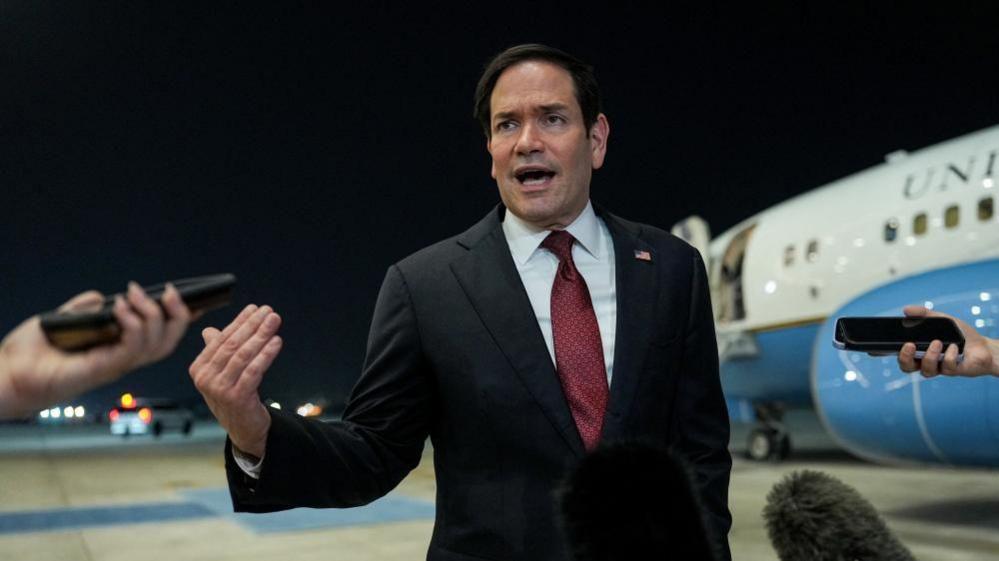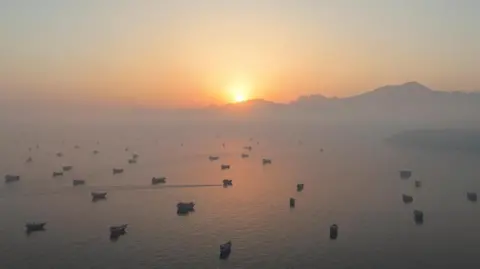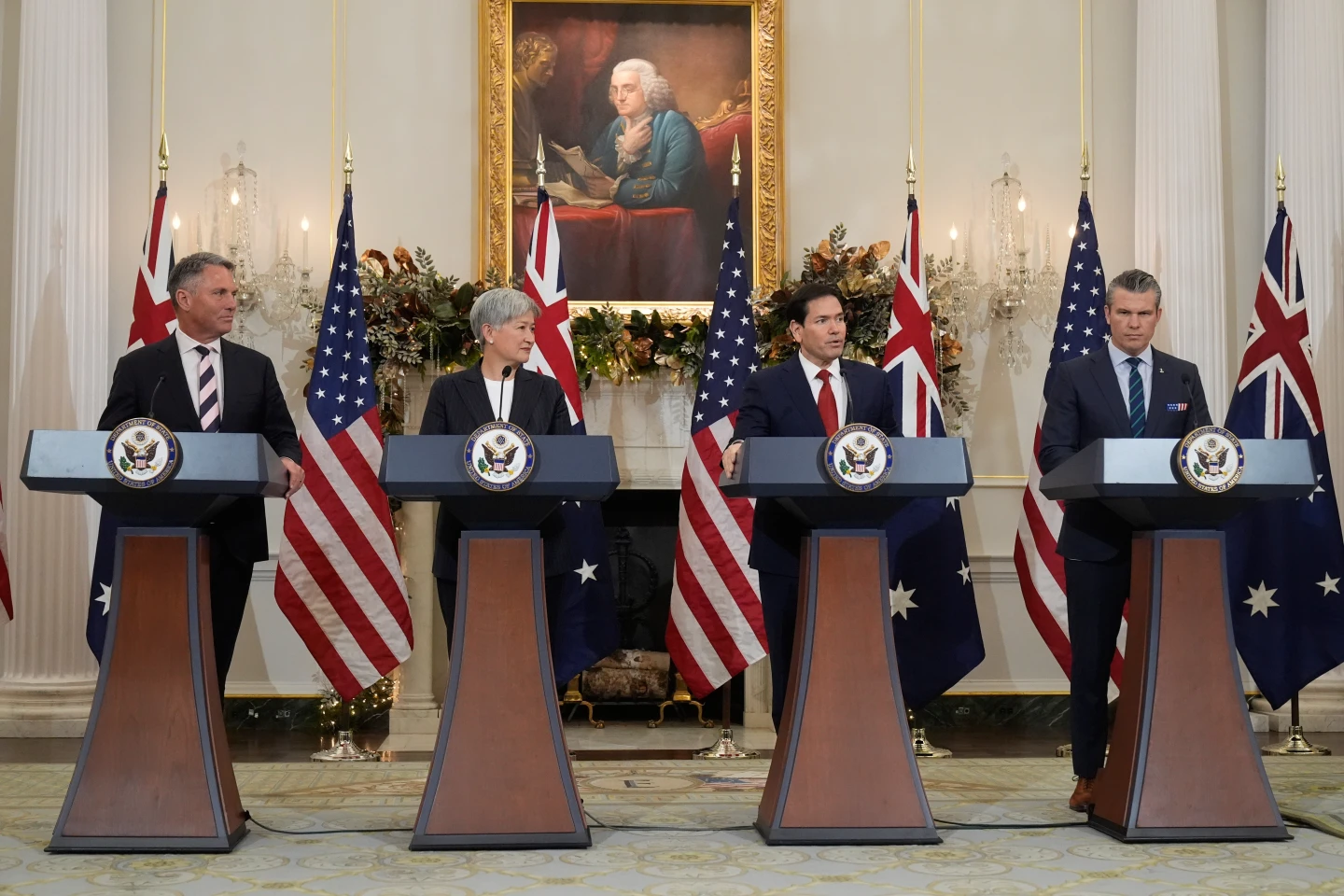
In Washington, Secretary of State Marco Rubio and Defense Secretary Pete Hegseth met with their Australian counterparts, Foreign Minister Penny Wong and Defense Minister Richard Marles, to discuss Indo-Pacific security issues, particularly concerning China’s growing influence in the South China Sea and its posture towards Taiwan.
The talks, held at the State Department, come amidst ongoing global concerns about the Russia-Ukraine war and the precarious ceasefire in Gaza, as well as recent U.S. military actions in the Western Hemisphere. This is a very strong partnership, it’s a strong alliance, and what we want to do is continue to build on it. We think we have a lot of momentum behind this alliance, Rubio stated, emphasizing the collaboration between Washington and Canberra on critical minerals, defense production, and military deployments.
Despite the glaring issues posed by China, none of the officials openly mentioned the country during their remarks. However, the implications of Chinese assertiveness have long been a central theme in U.S.-Australia relations.
In light of China's tougher regulations on critical minerals, Rubio reaffirmed the need for reliable supply chains that don't allow any one nation to wield undue influence. He highlighted the significance of the AUKUS pact, a strategic defense agreement involving the U.S., the U.K., and Australia aimed at bolstering Australia’s naval capabilities.
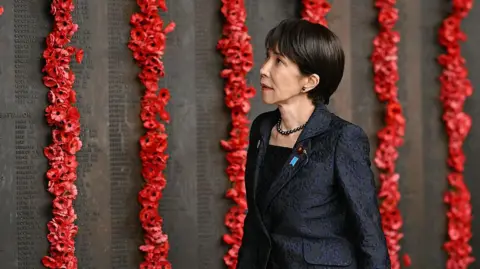
Australian officials reiterated the importance of their alliance with the United States, with Wong stating, The alliance has always been to ensure it delivers concrete benefits for our security and prosperity, while Hegseth acknowledged Australia's commitment to enhancing U.S. submarine production capacity.
As threats in the Indo-Pacific escalate, both nations are doubling down on their defense ties, reflecting a broader commitment to maintaining stability and security in a rapidly changing geopolitical landscape.