In brief
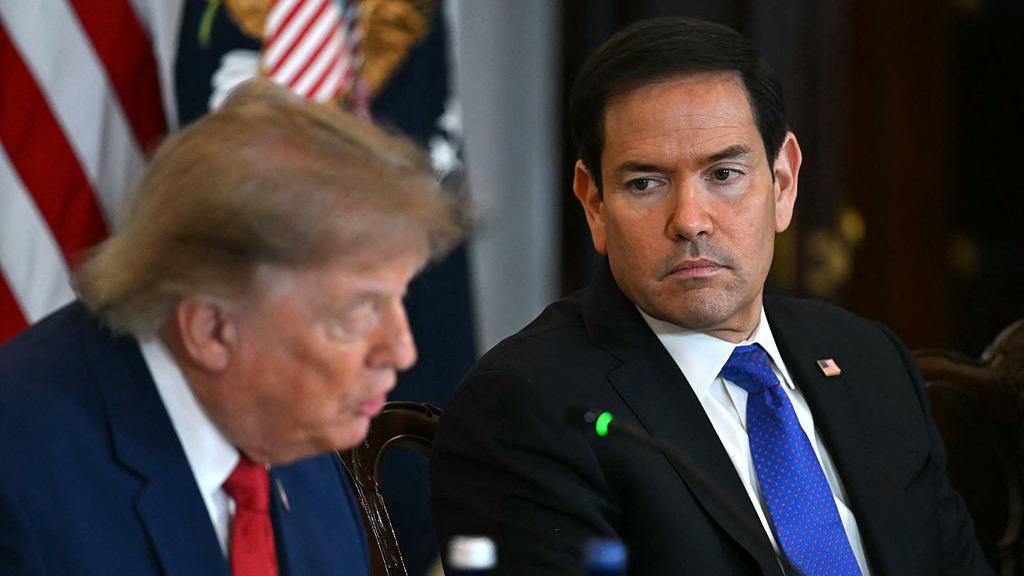
Secretary of State Marco Rubio announced a new round of U.S. sanctions targeting nine Cuban state‑owned mining, metal and construction firms, the Ministry of Construction and leadership of the Cuban Institute of Friendship with the Peoples (ICAP). The measures aim to curtail the regime’s alleged export of Marxism and anti‑American influence, citing the upcoming 100th birthday of former leader Fidel Castro. Cuban officials condemned the sanctions as economic harm that will worsen the country’s already strained infrastructure and public services. The sanctions mark a continuation of U.S. pressure that includes an oil blockade and previous restrictions on Cuba’s tourism sector.
US sanctions more Cuban companies and officials
Secretary of State Marco Rubio announced a fresh tranche of U.S. sanctions targeting nine Cuban state‑owned mining, metal and construction firms, the Ministry of Construction and officials linked to the Cuban Institute of Friendship with the Peoples (ICAP). The move follows the U.S. embargo that has been in place since 1959, and aims to curb the regime’s alleged export of Marxist ideology and anti‑American agitation.
Rubio accused the designated figures of ferrying “a new brigade of international sympathisers” to Havana to network with regime officials, aligning this activity with the 100th birthday of Fidel Castro. He characterised the sanctioned entities as “part of the regime’s raison d’être” of spreading Marxism and communist violence across the world.
The Cuban Institute of Friendship with the Peoples, founded in 1960 by Castro, has long served as a hub for pro‑Cuban government groups worldwide. Rubio singled out its president, Fernando Gonzalez Llort, a former spy ring member, as a target of the sanctions. He claims the ICAP’s activities mislead and corrupt American citizens through propaganda and espionage.
Cuban Foreign Minister Bruno Rodríguez condemned the announcement, calling it a punitive step that harms the Cuban economy. He warned that the sanctions would hinder the government’s ability to provide basic services amid an existing blockade, especially in a country already suffering from a heavy reliance on imported fuel for electricity and medicine.
The U.S. has maintained an effective oil blockade of Cuba since early 2026, further straining the island’s electricity infrastructure. Hospitals now rely on emergency generators, and frequent power cuts have led to rare protests—an uncommon occurrence in Cuba, where dissent typically faces harsh penalties.