Recent statistics indicate a notable slowdown in growth rates across U.S. metropolitan areas, particularly evident in border communities and hurricane-impacted regions. The latest estimates from the U.S. Census Bureau reveal that the average growth rate for U.S. metro areas plummeted from 1.1% in 2024 to 0.6% in 2025. Areas along the U.S.-Mexico border, such as Laredo, Texas, which saw its growth rate drop significantly from 3.2% to 0.2%, along with Yuma, Arizona, and El Centro, California, report similar declines. Meanwhile, several Florida counties severely impacted by hurricanes experienced notable population losses. The data underscores the critical role immigration plays in maintaining population growth, especially in urban centers where natural increase is minimal.
US Metro Areas Report Significant Population Decline Amid Immigration Slowdown
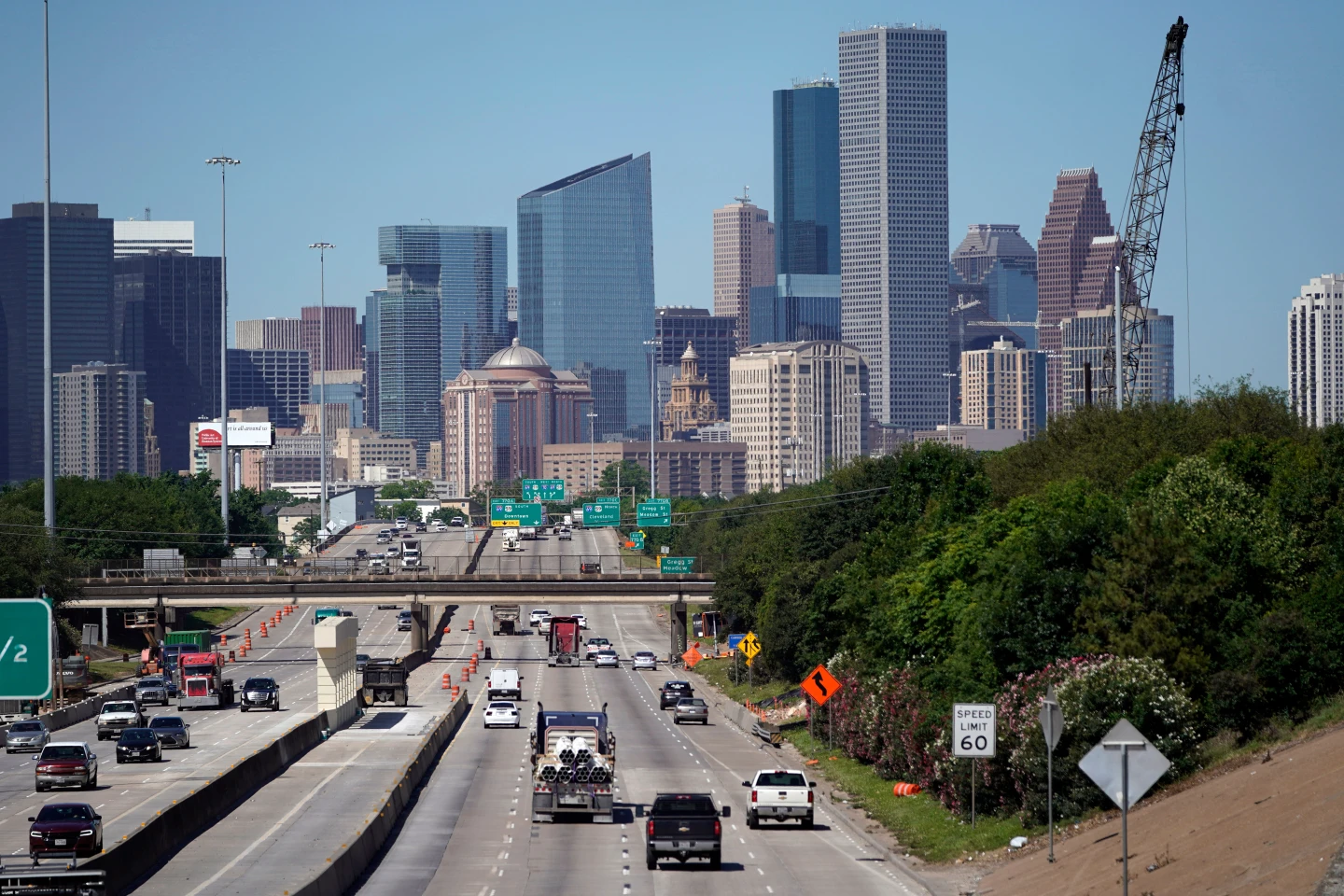
US Metro Areas Report Significant Population Decline Amid Immigration Slowdown
New data reveals sharp drops in growth rates for metro areas along the US-Mexico border and hurricane-affected regions in Florida, raising concerns about future demographic trends.
According to new population estimates by the U.S. Census Bureau, U.S. metro areas experienced a stark decline in growth rates in 2025, particularly in communities along the U.S.-Mexico border and Florida's Gulf Coast, attributed to reduced immigration and natural disasters. The average growth rate fell to 0.6% from 1.1% in the previous year, highlighting the importance of immigration for population stability in urban centers.