The United States has officially designated Clan del Golfo, a notorious drug-trafficking organization in Colombia, as a terrorist group. This designation by the US Treasury Department classifies the group as a Foreign Terrorist Organization (FTO), marking a significant escalation in the Trump administration's campaign against drug trafficking.
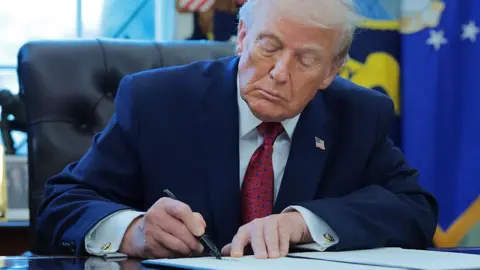
The announcement coincided with President Donald Trump's executive order that categorizes fentanyl, a potent opioid, as a 'weapon of mass destruction.' These measures aim to intensify efforts against the importation of drugs that have contributed to the opioid crisis affecting many communities in the US.
Clan del Golfo, which is primarily involved in cocaine trafficking from Colombia—the world's leading producer of cocaine—has been responsible for numerous violent acts against public officials and civilians. Secretary of State Marco Rubio stated that the group is linked to terrorist attacks against law enforcement and military personnel in Colombia.
In addition to drug trafficking, Clan del Golfo has also been implicated in human smuggling operations through the Darién Gap, the dangerous jungle area connecting Colombia to Panama. With an estimated membership of thousands, it is considered the largest coke-trafficking gang currently operating in Colombia.
This new designation is particularly impactful given that it comes shortly after Colombian President Gustavo Petro’s government reached a peace agreement with Clan del Golfo, which intended to stabilize conflict areas under the gang's influence. The FTO classification complicates these negotiations and raises concerns about the future of peace efforts in Colombia.
While Petro has been vocal about strategies to achieve peace in Colombia, the US's hardline approach has faced criticism for potential infringement on Colombian sovereignty. The US's measures against gang violence, including recent military strikes on suspected drug-carrying boats, have been controversial, leading to diplomatic tensions between the two nations.
This latest move by the US government showcases a strategy that not only seeks to curb drug trafficking but also to respond to the rising crisis of opioid overdoses on American soil, amidst ongoing debates surrounding the effectiveness and consequences of such aggressive counternarcotics policies.