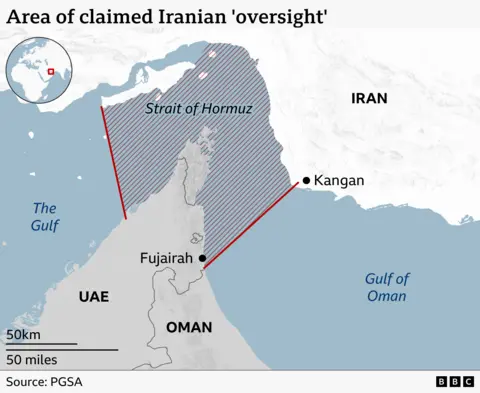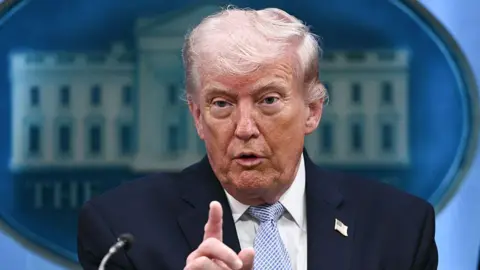
US President Donald Trump announced the initiation of a blockade in the Strait of Hormuz after unsuccessful negotiations with Iran to resolve ongoing military conflicts. Trump stated that the blockade would aim to prevent any ships from entering or leaving the strait, which plays a crucial role in global oil transportation, handling about 20% of the world’s oil and gas shipments.
Iran has effectively been closing the strait as part of its war strategy. Following failed talks, Trump emphasized that the US military will interdict vessels that have paid tolls to Iran, declaring that those vessels will not have safe passage. Furthermore, he condemned Iran for persistent aggression and threats, promising that any Iranian military engagement with American forces or peaceful shipping will receive significant repercussions.
Details of the blockade echo military guidelines which describe the operation as a means to prevent transportation to and from locations controlled by enemy states. Experts indicate that while Trump's statement signals increased military action, it may only temporarily halt a limited number of ships currently operating in the area. Analysts warn that the blockade could escalate tensions and raise oil prices, which have already been impacted by Iran's previous tolling measures.
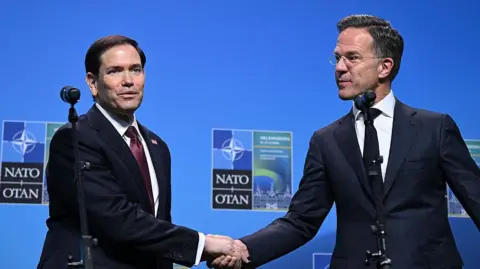
Trump suggested that NATO allies might assist in enforcing the blockade while disclosing plans for minesweepers in the area to clear any threats associated with Iranian mining activities in the strait. Conflicting opinions arise over the legality of such military actions under international maritime law, adding to the complexity of the situation. As the situation develops, further partnership discussions are anticipated among global allies aimed at ensuring freedom of navigation in this critical region.