The United Nations General Assembly has voted to recognise the enslavement of Africans during the transatlantic slave trade as 'the gravest crime against humanity', a move advocates hope will pave the way for healing and justice.
The resolution - proposed by Ghana - called for this designation, while also urging UN member states to consider apologising for the slave trade and contributing to a reparations fund. It does not mention a specific amount of money.
The proposal was adopted with 123 votes in favour and three against - the United States, Israel and Argentina. Fifty-two countries abstained, including the United Kingdom and European Union member states.
Countries like the UK have long rejected calls to pay reparations, saying today's institutions cannot be held responsible for past wrongs. Unlike UN Security Council resolutions, those from the General Assembly are not legally binding, though they carry the weight of global opinion.
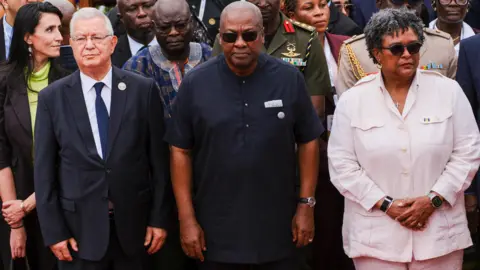
'Let it be recorded that when history beckoned, we did what was right for the memory of the millions who suffered the indignity of the slave trade and those who continue to suffer racial discrimination,' Ghana's President John Mahama told the assembly ahead of the vote.
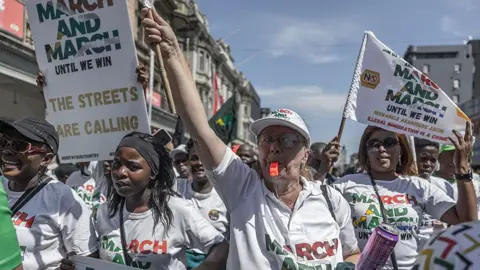
'.. This resolution serves as a safeguard against forgetting. It also challenges the enduring scars of slavery,' he stated. The campaign for reparations has gained significant momentum in recent years. During the discussion, Ghana's foreign minister emphasized that the push for compensation aimed at justice for victims, not personal gain.
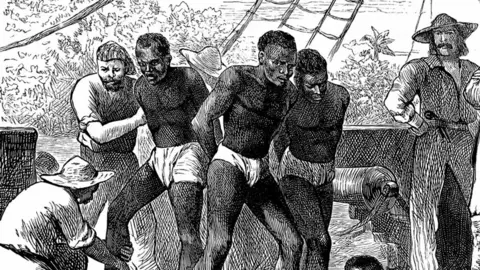
Between 1500 and 1800, around 12-15 million people were captured in Africa and taken to the Americas where they were forced to work as slaves. It is estimated that over two million people died on the journey.
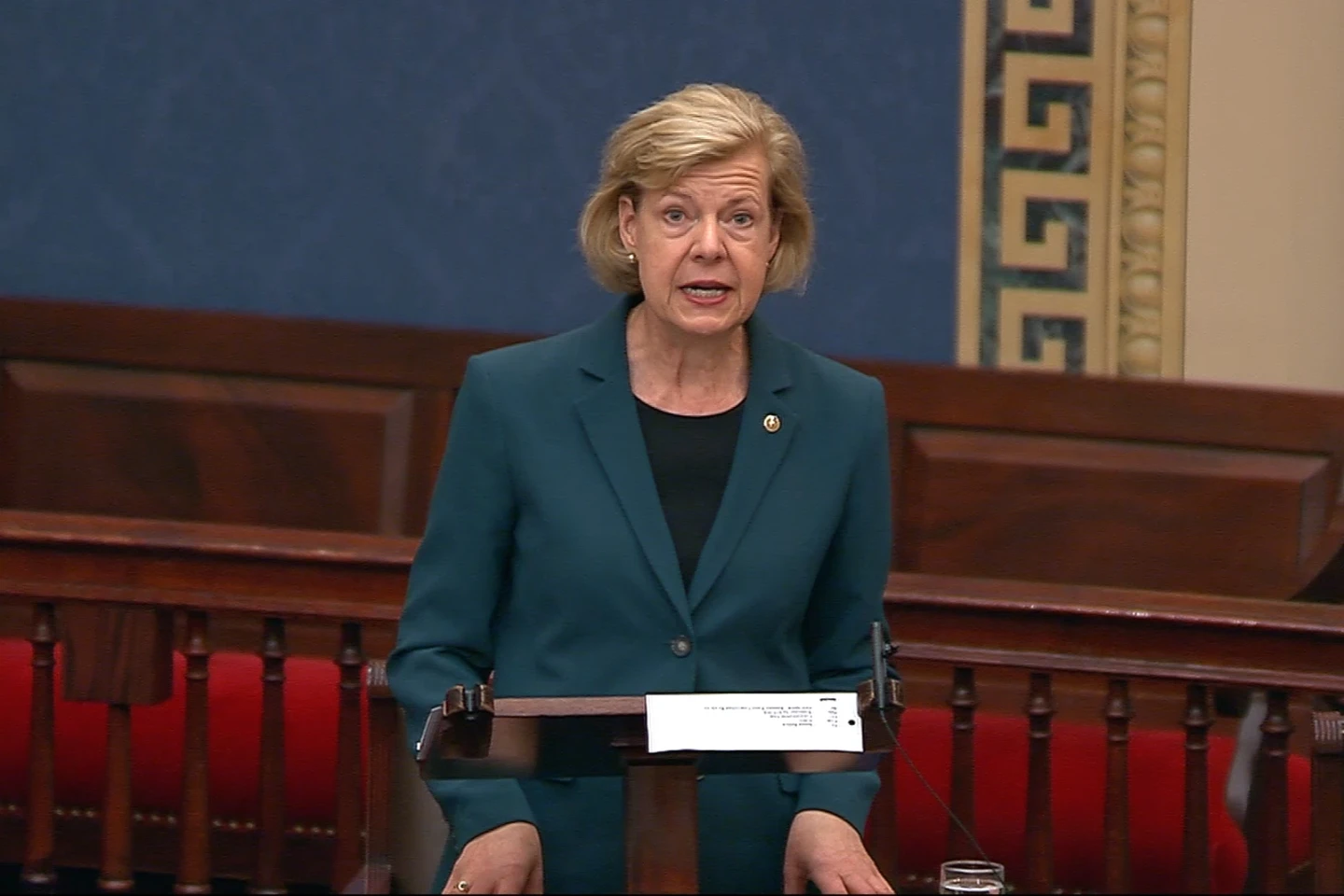
Despite the well-documented historical implications, the US and UK raised objections. The US ambassador noted the historical context of the slave trade, arguing that reparations could not be legally justified. Ghana's advocacy for reparations continues to spur dialogue as the impacts of slavery linger in contemporary racial dynamics.
The resolution - proposed by Ghana - called for this designation, while also urging UN member states to consider apologising for the slave trade and contributing to a reparations fund. It does not mention a specific amount of money.
The proposal was adopted with 123 votes in favour and three against - the United States, Israel and Argentina. Fifty-two countries abstained, including the United Kingdom and European Union member states.
Countries like the UK have long rejected calls to pay reparations, saying today's institutions cannot be held responsible for past wrongs. Unlike UN Security Council resolutions, those from the General Assembly are not legally binding, though they carry the weight of global opinion.
'Let it be recorded that when history beckoned, we did what was right for the memory of the millions who suffered the indignity of the slave trade and those who continue to suffer racial discrimination,' Ghana's President John Mahama told the assembly ahead of the vote.
'.. This resolution serves as a safeguard against forgetting. It also challenges the enduring scars of slavery,' he stated. The campaign for reparations has gained significant momentum in recent years. During the discussion, Ghana's foreign minister emphasized that the push for compensation aimed at justice for victims, not personal gain.
Between 1500 and 1800, around 12-15 million people were captured in Africa and taken to the Americas where they were forced to work as slaves. It is estimated that over two million people died on the journey.
Despite the well-documented historical implications, the US and UK raised objections. The US ambassador noted the historical context of the slave trade, arguing that reparations could not be legally justified. Ghana's advocacy for reparations continues to spur dialogue as the impacts of slavery linger in contemporary racial dynamics.