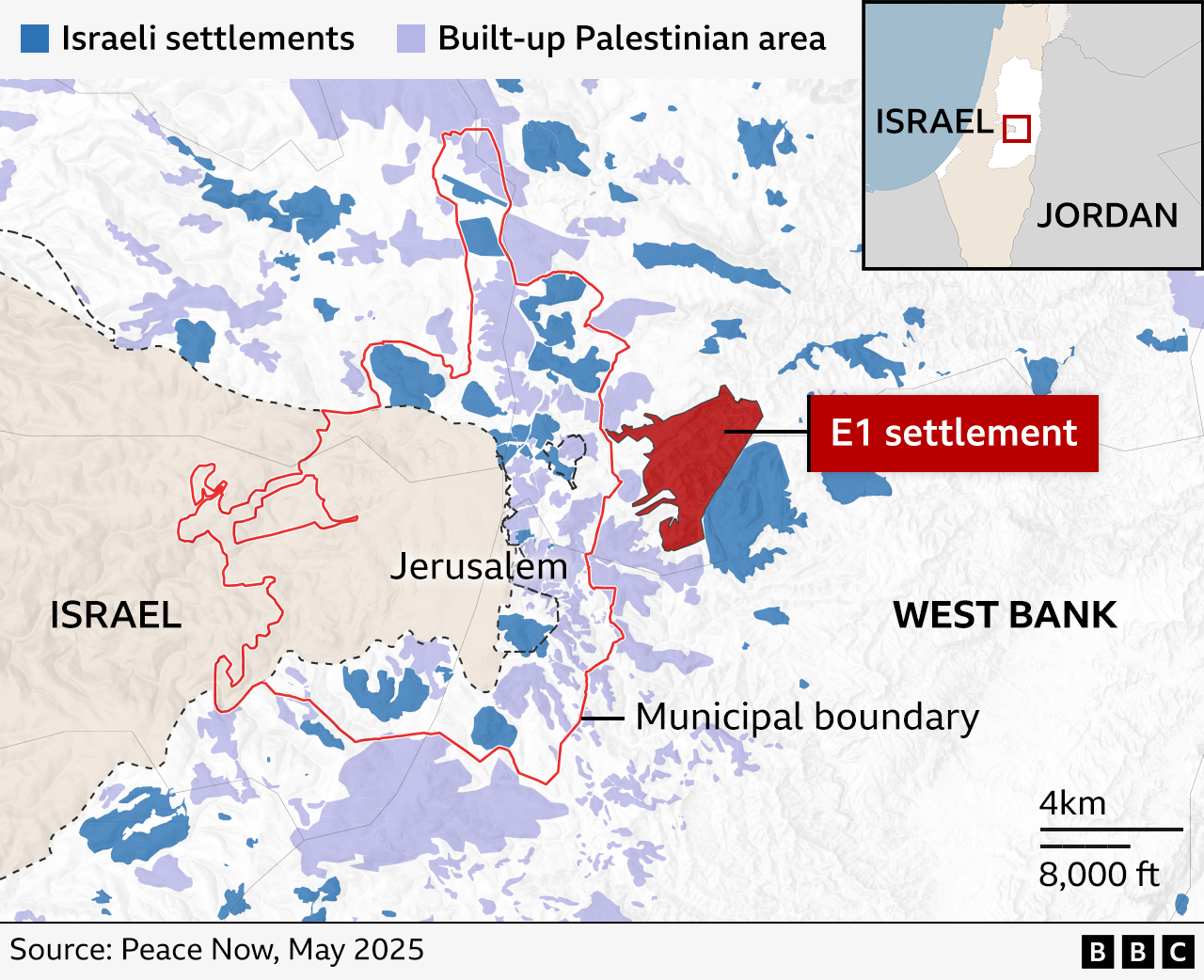
Britain and ten other governments have outlawed any trade, investment or aid tied to Israeli settlements in the occupied West Bank. The ban, announced in a unanimous speech by Foreign Secretary Ed Miliband, echoes a 2024 International Court of Justice decision that declared the occupation unlawful and demands a more active protest by governments that have previously only expressed condemnation.
Israel’s furious reaction was swift and publicly humiliating. The Israeli government shut the British consulate in East Jerusalem, withdrew diplomatic staff from the International Gaza Support Centre and announced new restrictions on arms that “materially contribute to the occupation.” The backlash sent a clear message: Britain is no longer a neutral or merely passive actor in the Israel‑Palestine debate.
The ban is divided along political lines. In Britain, the Foreign Secretary’s declaration—“settler terrorism is rampant” and a “frequent occupation” of Palestinian villages—drew praise from pro‑Palestinian groups and condemnation from many within the country’s Jewish community and some politicians who questioned the legal basis of the move. The strike against Israel came at a time when the Israeli electorate was due for a new election, indicating that political risk was calculated and high.
Palestinian leadership welcomed the sanctions, calling them a “turning point” and urging other nations to lift further economic pressure. Palestinian ambassador Dr Husam Zomlot in London described the action as a “courageous step” that could help bring a 1967‑border state with East Jerusalem to fruition, though he noted that Israel’s occupation was far from over.
The United States’ position appears more ambivalent. Although Washington has historically backed Israel’s settlement enterprise, recent signals—particularly from senior officials like Ambassador Mike Huckabee—suggest that American influence might yet be leveraged. However, no clear policy shift is imminent, leaving British action isolated in a broader geopolitical context where a large portion of the world’s lobbying is still divided along the longstanding Israel‑Palestine axis.
The consequences will ripple through regional politics, policy-making, and public sentiment. While the UK’s decision marks the lowest ebb in British‑Israeli relations for decades, the full impact on the West Bank’s future, on future migration and on the global diplomatic balance remains to be seen.