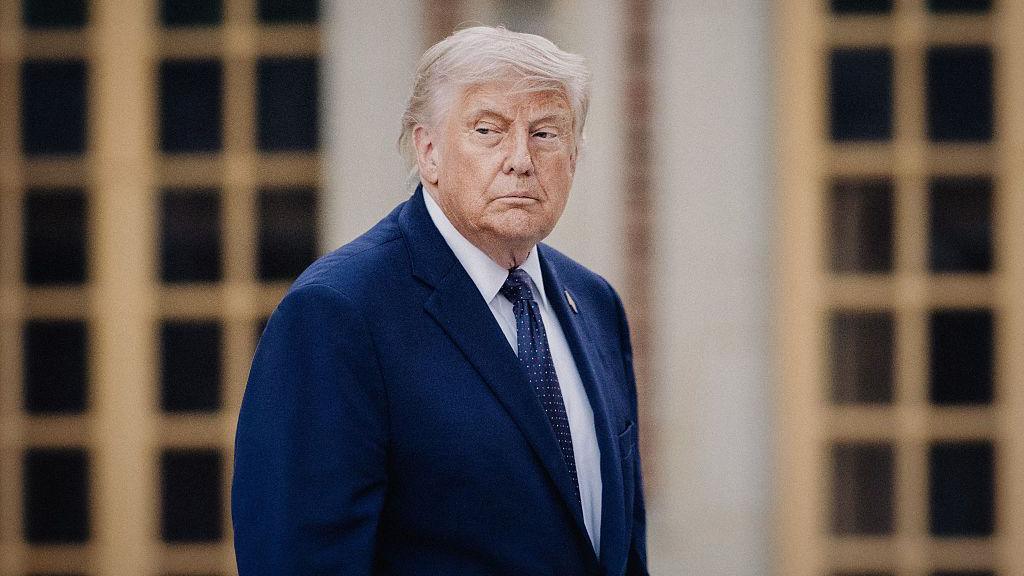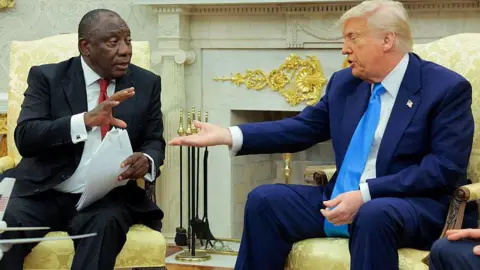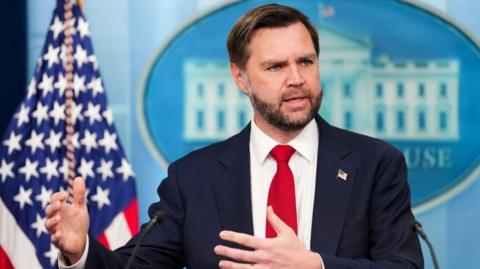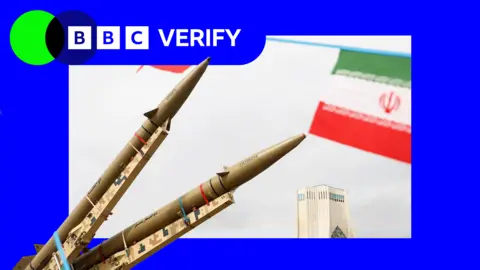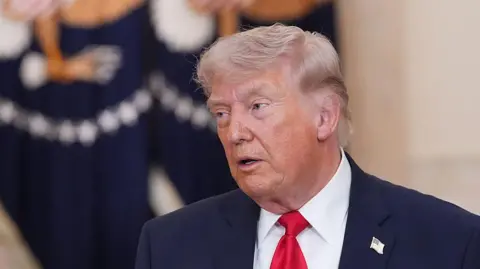
US President Donald Trump was swift to declare victory after the second crew member of an F-15 downed over Iran was recovered, claiming on Sunday that the successful rescue proves, once again, that we have achieved overwhelming air dominance and superiority. Observers, however, paint a more complicated picture of what this means for the US in Iran. While the mission was successful, the events of the last few days—where two aircraft were downed and at least one helicopter hit by gunfire—highlight that threats to US aircraft and personnel remain.
Several Washington sources speculated that the loss of aircraft and the complexity of the operation to recover the pilots could dissuade Trump from ground operations aimed at Kharg Island or seizing highly enriched uranium in Iran. These operations could expose US forces to lingering Iranian capabilities, including shoulder-launched weapons effective against low-flying aircraft.
On the other hand, the ability of US troops to infiltrate a contested area and set up operations under Iranian oversight could embolden Trump to consider airborne or amphibious operations against Iranian targets.
Trump's statements about the potential for a deal with Iran contrast with his threats of military action, suggesting a self-imposed deadline to strike Iranian infrastructure if diplomatic efforts fail. His fluctuating rhetoric indicates an intention to apply pressure on Iran while keeping military options on the table.
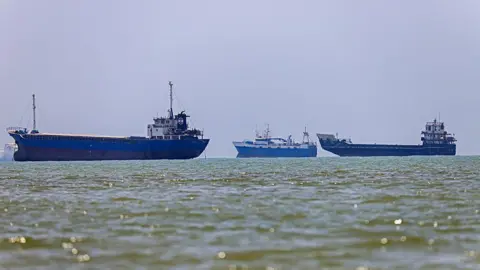
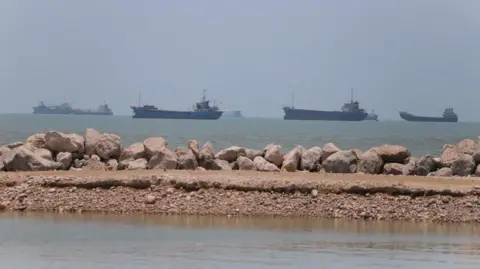
As the situation evolves, concerns grow over the implications of a potential escalation in military actions against Iran, particularly regarding navigation freedom in the critical Strait of Hormuz.
Several Washington sources speculated that the loss of aircraft and the complexity of the operation to recover the pilots could dissuade Trump from ground operations aimed at Kharg Island or seizing highly enriched uranium in Iran. These operations could expose US forces to lingering Iranian capabilities, including shoulder-launched weapons effective against low-flying aircraft.
On the other hand, the ability of US troops to infiltrate a contested area and set up operations under Iranian oversight could embolden Trump to consider airborne or amphibious operations against Iranian targets.
Trump's statements about the potential for a deal with Iran contrast with his threats of military action, suggesting a self-imposed deadline to strike Iranian infrastructure if diplomatic efforts fail. His fluctuating rhetoric indicates an intention to apply pressure on Iran while keeping military options on the table.
As the situation evolves, concerns grow over the implications of a potential escalation in military actions against Iran, particularly regarding navigation freedom in the critical Strait of Hormuz.