In brief
Donald Trump’s latest term has been marked by a series of set‑backs that may reshape his political fortunes. After US Attorney Jeanine Pirro reversed a criminal case against a former Olympian, Trump publicly criticized her decision. His own AG nominee, Todd Blanche, faced Senate hold‑outs over a controversial fund, forcing Blanche to withdraw. Meanwhile, the president’s aggressing stance on Iran continues to stumble as negotiations falter and public opinion cools. These events underscore the growing friction between Trump, his loyalists, and the broader political landscape.
Donald Trump’s American presidency has entered a new phase of turbulence, with allies turning against him and key political initiatives stalled.
The first blow came when Jeanine Pirro, a long‑time Trump‑savvy U.S. attorney and former Fox News pundit, decided to drop felony charges against former Olympian David Hearn for alleged vandalism of the Reflecting Pool near the Washington Monument. "The damage was the result of a botched installation and not vandalism," Pirro wrote in a 20‑page court filing, citing misleading information from the Interior Department.(link)
Trump reacted by calling Pirro’s decision a “folded like an umbrella” and labeling her move a betrayal. He posted the criticism on Truth Social and echoed the statement in Oval Office comments. The move underscored how Trump’s most vocal allies are ready to challenge him when evidence disputes his narrative.
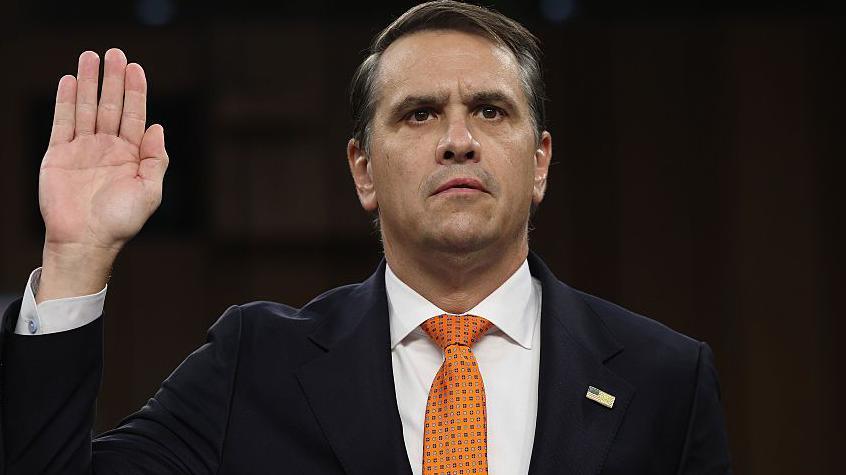
In another arena of contention, Trump’s own AG nominee, Todd Blanche, was met with resistance from GOP senators John Cornyn and Thom Tillis. The senators demanded Blanche provide a formal letter abandoning the proposed $1.8 billion “anti‑weaponisation” fund, a campaign the president had touted to penalize political opponents. Blanche eventually withdrew the plan and released letters to satisfy the senators’ concerns, but the process left a visible dent in his administration’s cohesion.
Trump’s response was typical: he deflected the pressure by stating he “didn’t look at” the documents and promised to push Congress to re‑establish the fund. He vowed, “It will immediately be back on the table, and I will get it done,” signaling that the president may never truly accept the political reality that slow‑paced Senate wrangling represents.
Simultaneously, Trump’s stance on Iran has been back and forth, condemning the country’s perceived duplicitous claims while threatening massive military action. Residents of the U.S. have begun to feel the strain as polls consistently show low approval ratings for the president’s handling of foreign policy—currently at around 33%—the lowest among second‑term U.S. leaders in modern history aside from unpopular predecessors.
Despite the polling slump, Trump has dismissed surveys as “Fake News” and claimed his “real poll numbers” are better. He remains convinced that he can influence election outcomes, a belief that could be tested in the upcoming midterm elections where his party’s future hangs on the legislative agenda and public perception of foreign engagement.
While these controversies may seem remote for many Americans, they are symptomatic of a broader shift in the political climate—illustrating how even the most steadfast allies can now challenge a presidency that once seemed unassailable. The coming months will determine whether Trump’s strategy of alternative facts can endure against the weight of evidence and congressional skepticism.
Subscribe to our US Politics Unspun newsletter for deeper analysis.