In brief
After weeks of controversy, President Donald Trump decided to drop plans for a live online broadcast of the execution of Fort Hood shooter Nidal Hasan. The 13‑year‑old firing‑squad death will still take place by December 3, 2026, but families of the victims may attend in person. Critics from the United Nations and human‑rights groups decried the idea of a live execution, and Pentagon officials confirmed that the decision aligned with the President’s revised stance. The reversal follows a series of conflicting statements from Trump and defense secretary Pete Hegseth about the livestream. The incident also brings renewed attention to the United States’ capital‑punishment procedures and international reactions to public executions.
President Donald Trump has officially cancelled the planned livestream of the firing‑squad execution of former Army psychiatrist Nidal Hasan, the gunman responsible for the 2009 Fort Hood shooting in Texas.
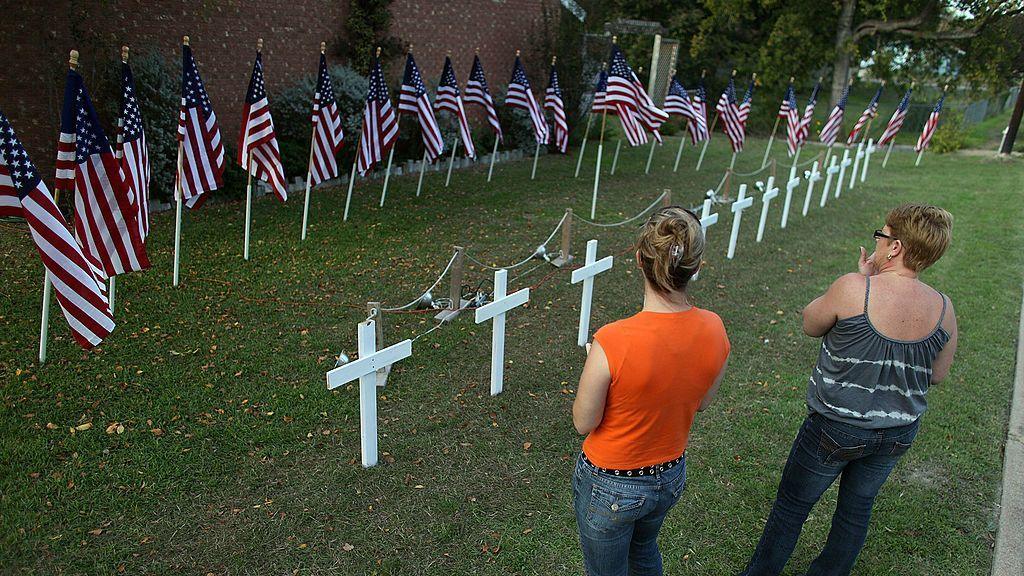
Hasan, who shot 13 unarmed military personnel and injured 32 others, is scheduled to die by firing squad on 3 December 2026. While the execution will proceed, the decision to broadcast it online was abandoned after widespread criticism from the United Nations, human‑rights groups, and the U.S. public.
Trump had previously expressed support for a live stream, citing the need for a “strong deterrent” to show how America deals with terror. He later clarified that the President “absolutely” approved of the livestream but added the Pentagon was still “making a determination.” The final reversal came after pressure from lawmakers, defense officials, and global leaders who described the idea as “abhorrent.”
Defense Secretary Pete Hegseth, who had advocated a public broadcast, said the decision now aligns with President Trump. Pentagon spokesman Sean Parnell confirmed the cancellation, noting that families of the victims could still attend the execution in person.
Legal experts have highlighted the complexity of this case. U.S. military law requires the President’s approval for executions, and the decision will still undergo appellate review. Internationally, only a few countries conduct public executions, with recent instances in Iran and Afghanistan.
In a final statement on Truth Social, Trump urged that the families “deserve to witness justice.” The episode underscores ongoing debates over the death penalty, transparency in capital punishment, and the role of social media in state‑sanctioned executions.