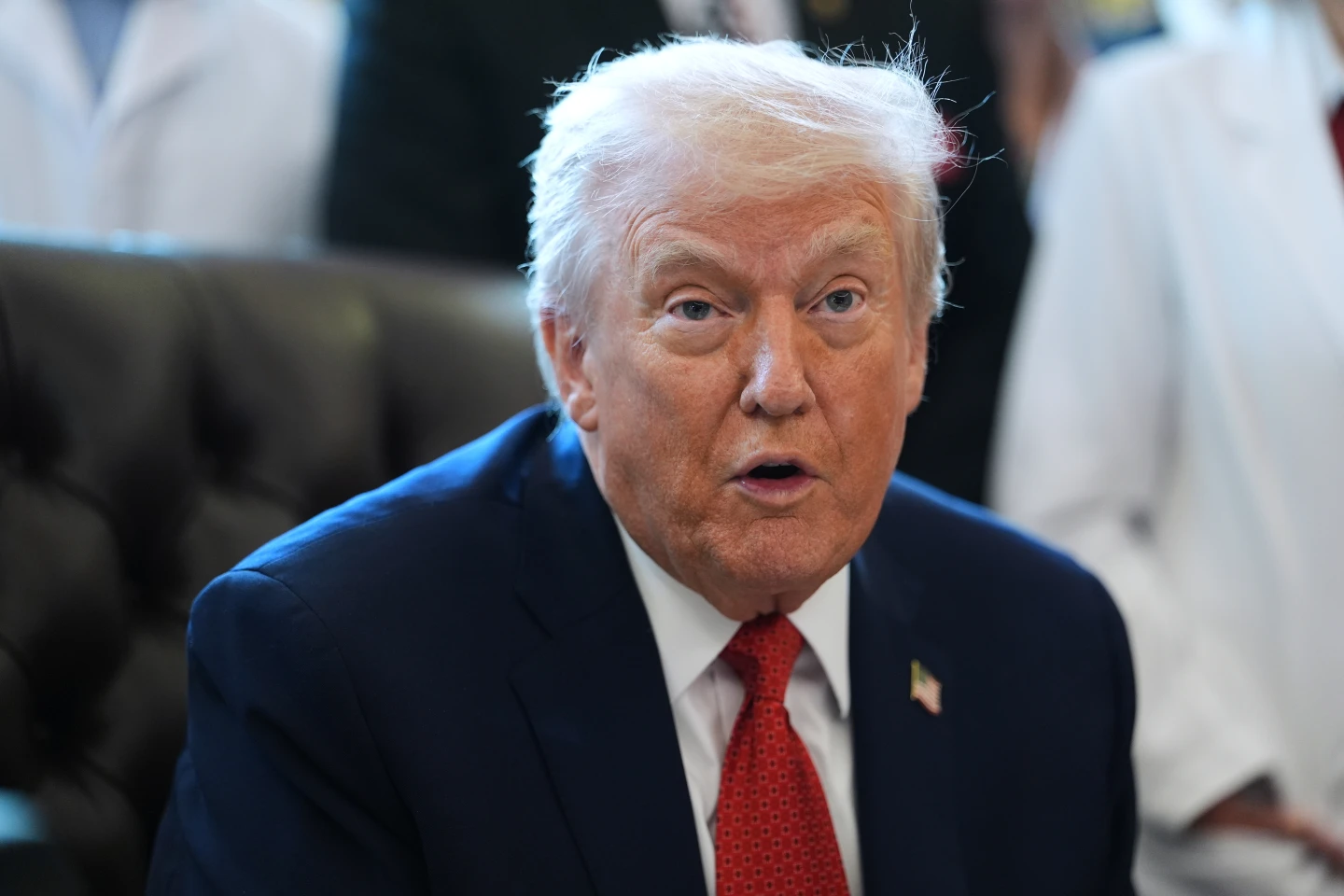
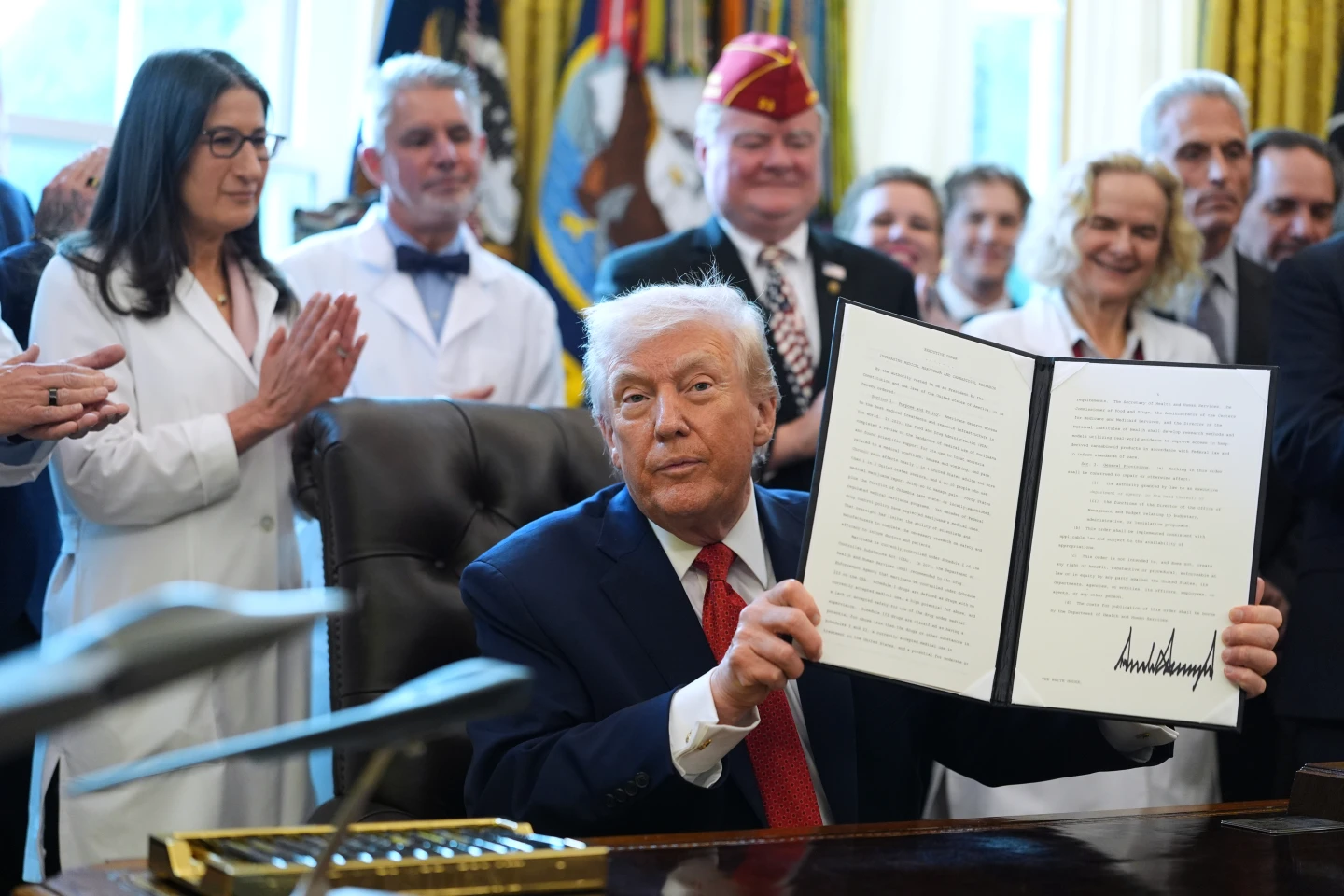
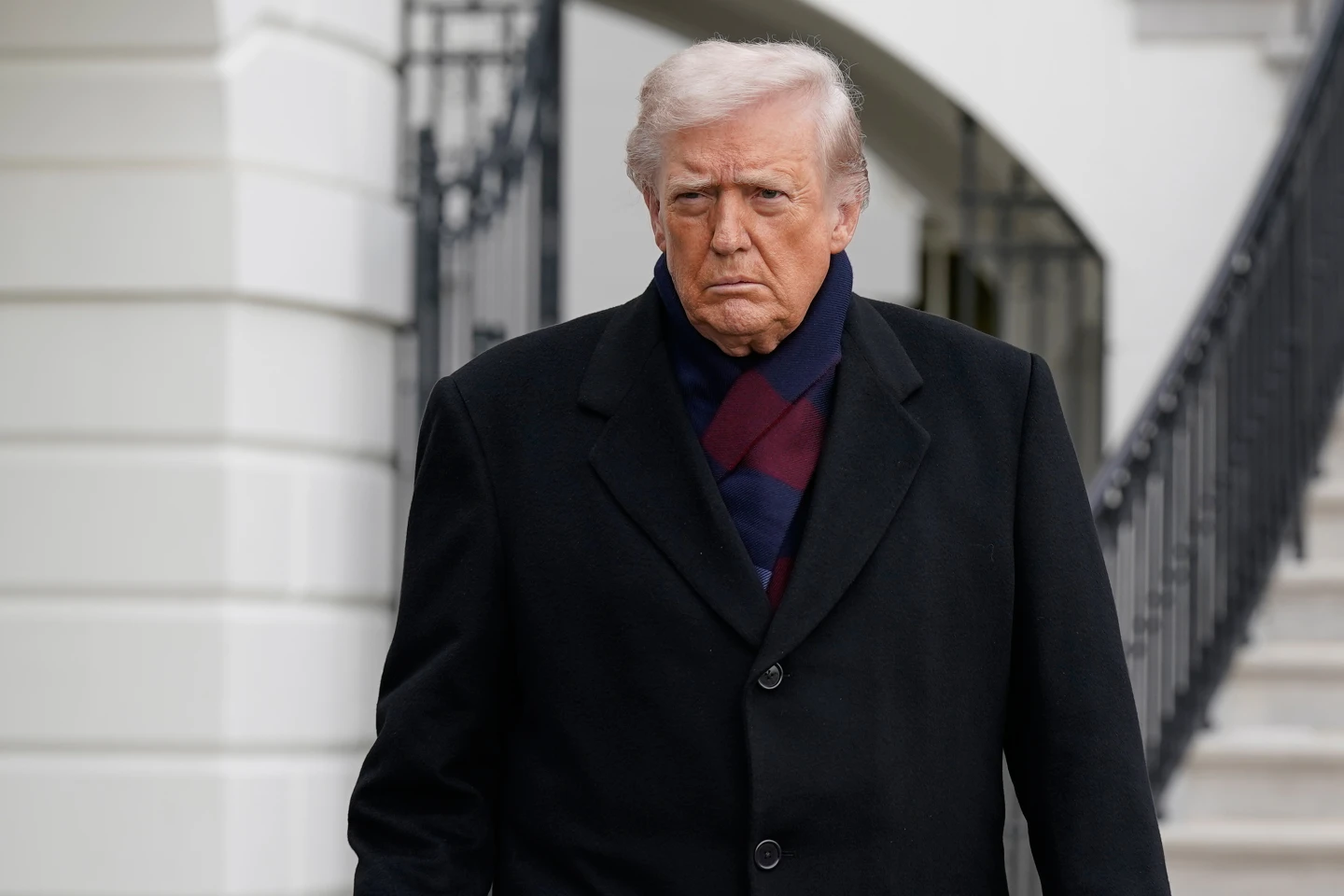
U.S. President Donald Trump announced Friday that nine drugmakers have agreed to lower the cost of their prescription drugs in the U.S.
Pharmaceutical companies Amgen, Bristol Myers Squibb, Boehringer Ingelheim, Genentech, Gilead Sciences, GSK, Merck, Novartis, and Sanofi will now rein in Medicaid drug prices to match what they charged in other developed countries.
As part of the deal, new drugs made by those companies will also be charged at the so-called “most-favored-nation” pricing across the country on any newly launched medications for all, including commercial and cash pay markets as well as Medicare and Medicaid.
Drug prices for patients in the U.S. can depend on a number of factors, including the competition a treatment faces and insurance coverage. Most people have coverage through work, the individual insurance market, or government programs like Medicaid and Medicare, which shield them from much of the cost.
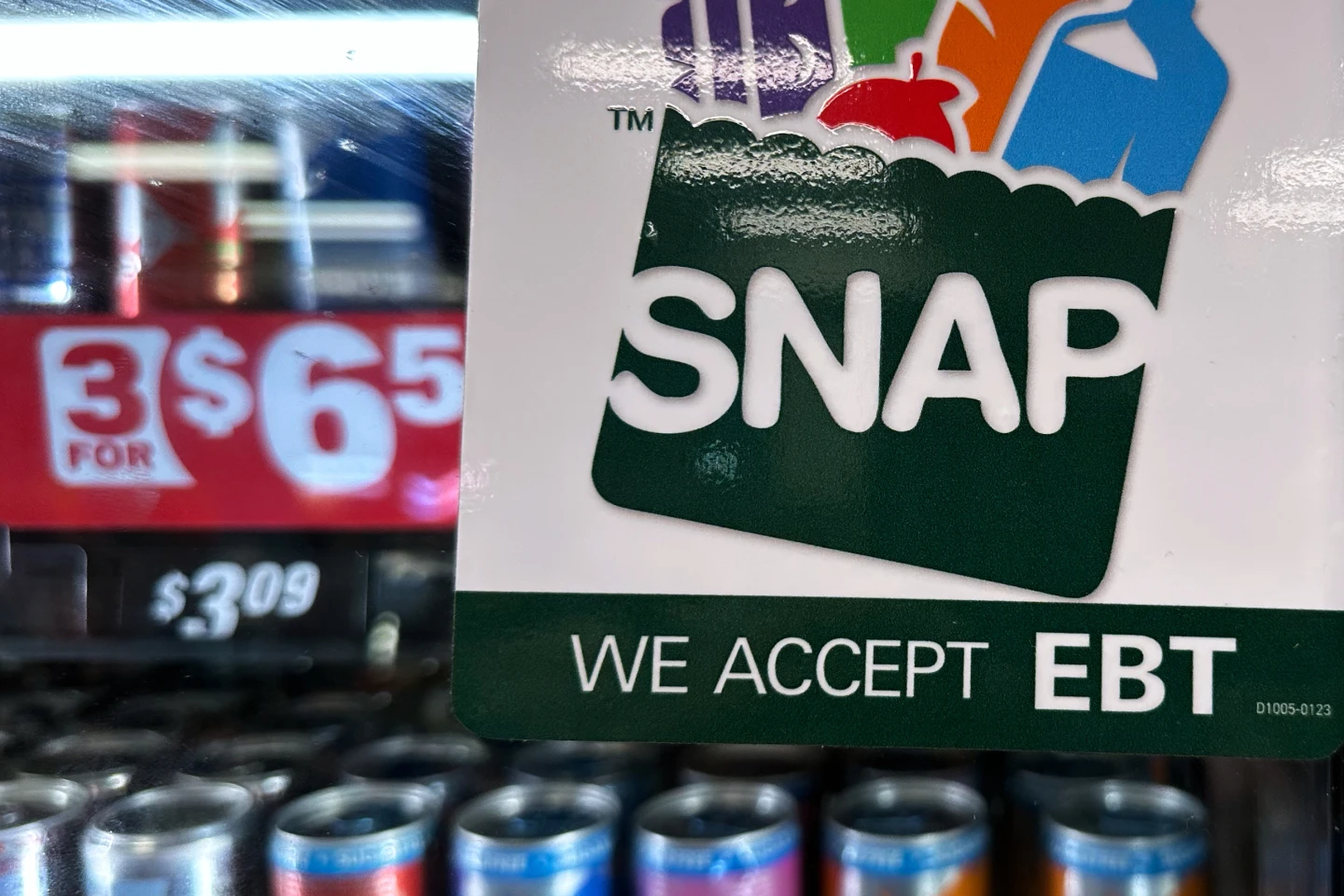
Patients in Medicaid, the state and federally funded program for people with low incomes, already pay a nominal co-payment of a few dollars to fill their prescriptions, but lower prices could help state budgets that fund the programs.
Lower drug prices also will help patients who have no insurance coverage and little leverage to negotiate better deals on what they pay. But even steep discounts of 50% found through the administration’s website could still leave patients paying hundreds of dollars a month for some prescriptions.
William Padula, a pharmaceutical and health economics professor at USC, said Medicaid already has the most favorable drug rates which in some cases will be close to what the “most-favored-nation” price is so it remains to be seen what other impacts it could have, such as more research and development.
And while it is significant that Trump was able to get big drugmakers to the table to negotiate lower prices, it will take years to gauge how effective this initiative is in terms of more people obtaining more of the medicines they need.
Trump administration officials said the drugmakers will also sell pharmacy-ready medicines on the TrumpRx platform, which is set to launch in January and will allow people to buy drugs directly from manufacturers.
Companies such as Merck, GSK, and Bristol Myers Squibb also agreed to donate significant supplies of active pharmaceutical ingredients to a national reserve and to formulate and distribute them into medications such as antibiotics, rescue inhalers, and blood thinners as needed in an emergency.
Padula emphasized that the donations, which encompass some of the world’s most critical medicines, are a significant step toward health equity and an acknowledgment that the drugmakers can afford to seek profits elsewhere in their operations.
Other major drugmakers including Pfizer, AstraZeneca, EMD Serono, Novo Nordisk, and Eli Lilly struck similar deals with the Trump administration earlier this year, with the administration now having negotiated lower drug prices with 14 companies since Trump sent letters to executives at 17 pharmaceutical companies about the issue.