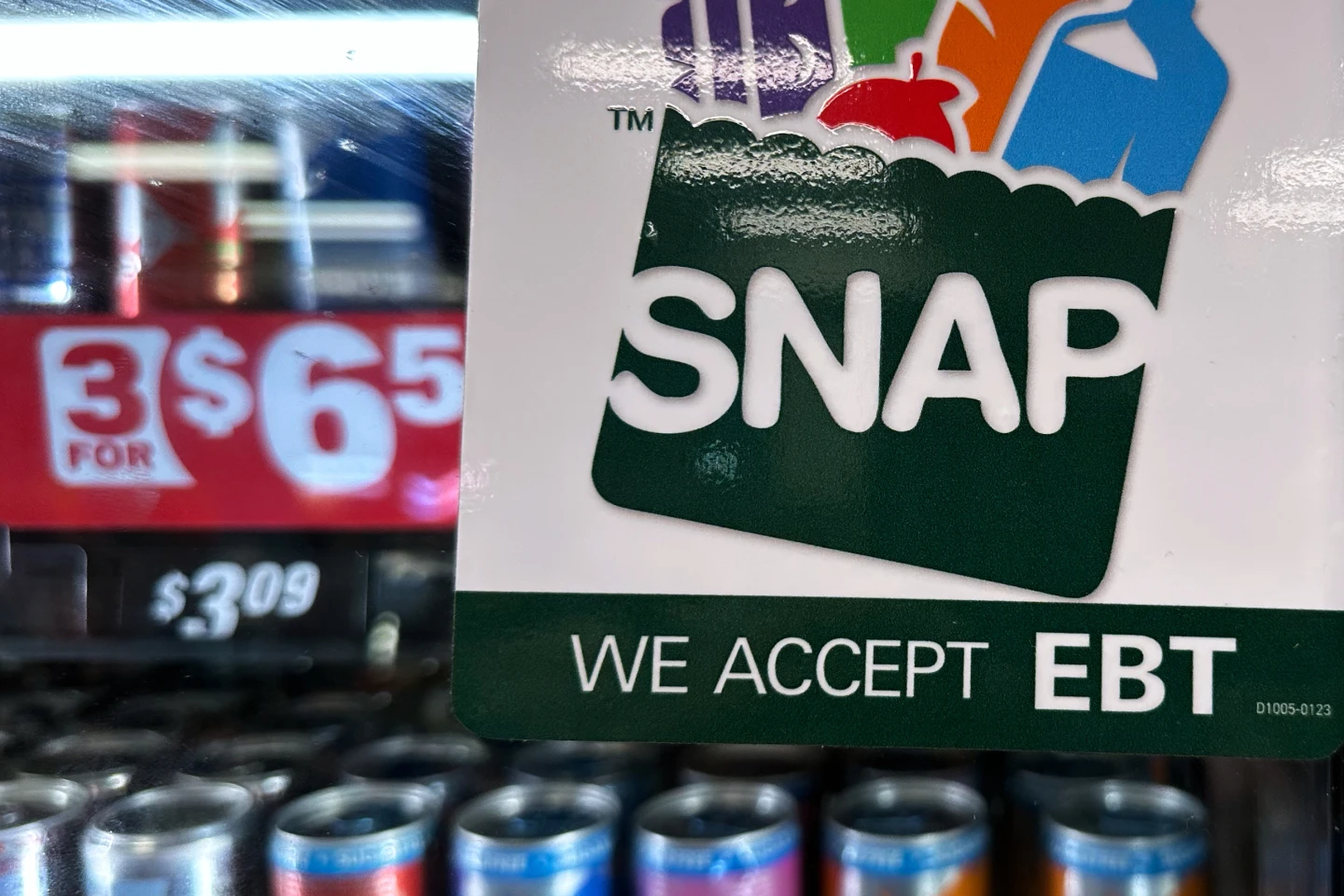
The Trump administration is ramping up efforts to combat what they assert is rampant fraud within the Supplemental Nutrition Assistance Program (SNAP), the U.S. government's largest food assistance program. Officials claim organized criminal groups and individuals exploit vulnerabilities in the system, costing taxpayers billions.
Jennifer Tiller, a senior advisor to the U.S. Agriculture Secretary, stated, We know there are instances of fraud committed by our friends and neighbors, but also by transnational crime rings.
Yet, the extent of this supposed fraud lacks clear evidence and has been met with skepticism from experts who stress that while fraud likely exists, quantifying it is problematic.
Christopher Bosso, a public policy professor, illustrates that with extensive financial resources like SNAP's $100 billion budget, some level of inefficiency and fraud is inevitable. He urges caution in attributing exaggerated levels of fraud without thorough data analysis.
The SNAP program supports around 42 million participants, equating to roughly one in eight Americans, who receive an average monthly benefit of about $190. Critics argue that the ongoing scrutiny presents a risk to privacy and fairness within the system.
The Trump administration's approach includes demanding detailed reports from states on individual recipients, encompassing sensitive information like Social Security numbers and immigration status. While Republican-led states have complied, Democratic governors have resisted these requests, fearing violations of privacy regulations.
Reports indicate that some states have uncovered fraudulent activities, including deceased individuals still receiving benefits. Nevertheless, Democrats assert that existing systems effectively identify and address fraud without needing extensive data sharing.
Fraud in SNAP manifests in various forms, from sophisticated scams by organized crime groups to individual malpractices by beneficiaries, leading to calls for a stronger overhaul of the program. Some political commentators argue the focus on fraud could overshadow the essential functions of SNAP in supporting vulnerable communities.
Despite the administration's claims, advocates and research point to historically lower estimates of fraud rates, suggesting the narrative of rampant abuse may be overstated. The discourse surrounding SNAP continues to elicit diverse reactions and significant debate over the balance between financial accountability and social welfare.