Sussan Ley and the Glass Cliff: Does Australian Politics Still Have a Problem with Women?
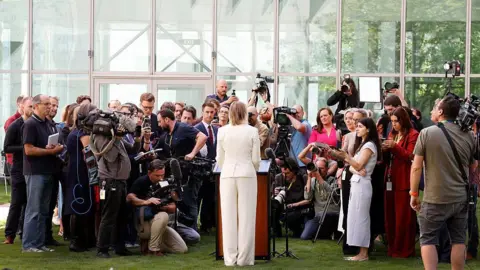
When Sussan Ley made history as the first woman to take the reins of Australia's Liberal Party, she described the moment as pivotal—albeit during a significant crisis for the party.
Having shattered the infamous glass ceiling, Ley's leadership was quickly scrutinized; many pointed out that it seemed precariously close to a 'glass cliff' situation, where women are often promoted into challenging positions during tumultuous times, only to be set up for failure.
Her election came after a historic defeat for the Liberal Party, and within a short tenure, she was ousted by Angus Taylor, marking her as a leader who could not salvage the party's waning fortunes. Opponents claimed her dismissal was about performance, while supporters argued that she did not receive a fair chance, with gender discrimination lingering in the background.
The ongoing saga around Ley reignites discourse on the role and representation of women in Australian politics. Despite visible advances, such as increased female membership in party rooms, the upper echelons of leadership remain dominated by men.
'Crisis on Every Front'
Political analysts contend that any successor in the wake of the 2022 Labor landslide faced an uphill battle, with numerous crises, including factional disunity and dwindling female support, demanding urgent resolution. Ley's inability to navigate these issues ultimately led to her downfall.
Women Still Rare at the Top
Former Prime Minister Julia Gillard remains one of the very few women to have led a major party in Australia, emphasizing that despite improvements since her tenure, barriers for women in political leadership roles persist. Ley's short tenure and the backlash against her leadership revive the critical conversation about the opportunities for women in politics and whether they are given the same chances as their male counterparts to succeed.