Political Fallout: How the Bondi Shooting Spiraled Australian Politics into Chaos
Thursday had been earmarked for Australians to mourn the victims of last month's Bondi shootings. Those who had lost loved ones in the antisemitic attacks wanted it to be a chance to remember the dead, and spread light and kindness in their honour. Instead, it became a day dominated by a political row resulting in the collapse of the opposition coalition.
Veteran political commentator Malcolm Farr noted, You would have thought they could have put this off for 24 hours. It's at the very least unfortunate timing and shows a certain amount of self-indulgence. The turmoil primarily revolves around proposed reforms sparked by the tragedy, seemingly threatening the political futures of two leaders and diminishing their parties' electoral prospects.
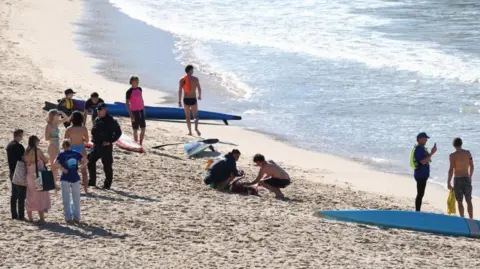
When two gunmen targeted an event marking the Jewish festival of Hanukkah at Bondi Beach, killing 15, the political blame game began immediately. Bondi local Kass Hill expressed frustration, stating, The turnaround was amazing in the way they politicized it. The fingerpointing isn't solving anything. The aftermath of the shooting has further polarized an already divided Australian society.
Heckles and blame
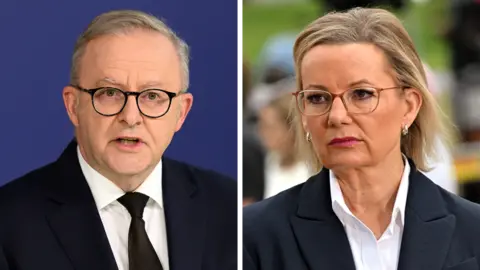
Amid grief, a stream of politicians visited the crime scene to deflect blame. Prime Minister Anthony Albanese faced accusations of neglect from the Jewish community and dismissed calls for a national inquiry into rising antisemitism in the aftermath.
While families mourned their losses, politicians were accused of politicizing the tragedy. Albanese himself faced public heckling at memorials, with cries of You're not welcome directed at him. ”You might as well go to a jihadist nation where you can fit in,” one protestor shouted.
Two divergent reactions emerged from the Bondi attack, which marked Australia's deadliest mass shooting since the 1996 Port Arthur massacre. In contrast to the unification seen following Port Arthur, current political responses appear fragmented.
A society already fractured over Israel-Gaza war
The already fraught debate regarding Israel and Gaza has exacerbated societal divisions in Australia, making the Bondi incident politically charged from the outset. Mark Kenny, a political columnist, indicated that the shooting coincided with rising tensions over antisemitism and criticism against Israel's actions in Gaza.
Even as demands for immediate anti-hate regulations surged, Albanese’s measures faced backlash, unable to quell the holdout for a more comprehensive royal commission into antisemitism. The controversial nature of proposed legislation further obscured any unified response from political factions.
Political analysts highlighted that these dynamics have spawned an environment of distrust, with individuals questioning politicians' motives amidst rising polarization and cynicism.
A political opportunity
Ironically, the tragedy has also opened political avenues for opposition leader Sussan Ley, who had previously struggled to assert her authority. However, her calls for reform on hate speech ultimately failed, fracturing the coalition support amid internal disagreements on the legislation.
As the National Party's withdrawal from the coalition adds tension, many observers speculate whether Ley's leadership is secure moving forward. The episode has not only damaged party alliances but has also shaken public confidence, reflected in plummeting approval ratings for both Albanese and Ley.
The backlash from angry constituents has led to a call for unity that starkly contrasts with politicians' inability to collectively serve their communities in the wake of tragedy. The political landscape in Australia appears increasingly fragile in the shadows of the Bondi shooting.