Australia's Liberal-National Coalition, the country's main opposition party, reunited on Sunday, ending a split that lasted for more than two weeks. This division occurred after disagreements surfaced regarding proposed hate-speech laws introduced by the government following a tragic attack at Bondi Beach that claimed the lives of 15 people.
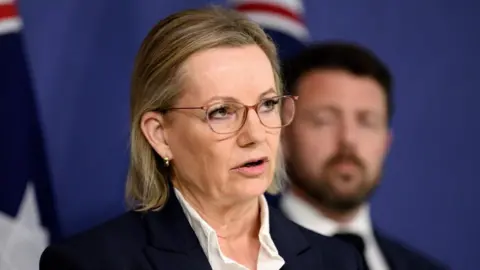
“The Coalition is back together and looking to the future, not to the past,” stated Sussan Ley, the Liberal Party leader, during a joint appearance with National Party leader David Littleproud in Canberra.
The split was initiated on January 22, when the Nationals expressed concerns about free speech and consequently refused to support the government’s reform initiatives. Littleproud admitted that the situation was disappointing but acknowledged that it stemmed from substantive issues.
The Coalition previously experienced a significant election loss, and this recent division marked the second within the span of less than a year. The earlier split in May involved disagreements primarily centered on climate and energy policies but was resolved swiftly.
The current rift, however, revolves around hate-speech reforms introduced by the Labor government after the Bondi Beach attack. While the Liberals backed the legislation, the National Party abstained from the vote in the lower house and opposed it in the senate, arguing that the measures were rushed and threatened free speech. The new legislation includes provisions aimed at banning groups spreading hate and imposing tougher penalties on individuals advocating violence.
In reflecting on the coalition's challenges, Ley emphasized the importance of returning to leadership for their supporters and the broader Australian community. She highlighted the agreement that neither party could overturn decisions made by the Coalition's joint ‘shadow cabinet’.
The longstanding Coalition, dating back to the 1940s, had not faced such splits since 1987 before the recent incidents. The National Party primarily represents regional communities with more conservative views compared to the Liberals. As they navigate public sentiment, they are under increasing pressure from populist parties like Pauline Hanson’s One Nation, which has gained traction in polling following the Liberal Party's seat losses in the 2022 federal election.