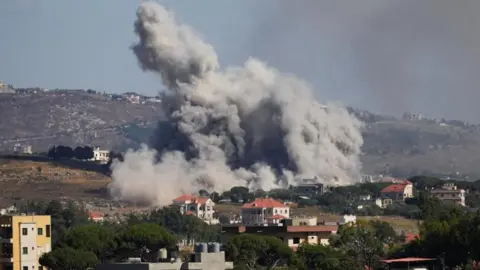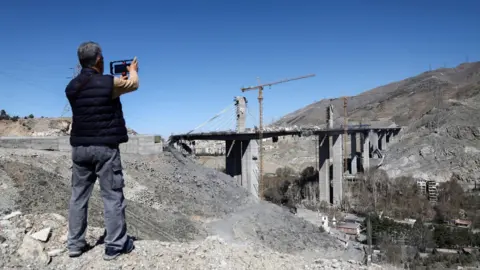
The US airstrike on a bridge in Karaj has sparked widespread alarm among the Iranian populace, many of whom were celebrating the Nowruz holiday near the site of the attack. The airstrike, carried out by US warplanes, reportedly killed eight people and injured nearly 100, drawing immediate condemnation from Iranian authorities.
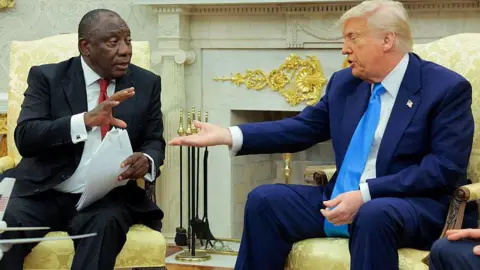
President Trump's stark warning to Iran stresses that further strikes could target key infrastructures, a declaration intended to force a negotiation on the ongoing conflict. The attack has raised deep fears among Iranians about what might come next, with civilians voicing their concerns amid an ongoing internet blackout imposed by the government that has hindered communication for weeks.
Despite the restrictions, individuals have managed to share their anxieties through surrogate connections, expressing feelings of helplessness as their nation faces devastating military aggression. Iranian Foreign Minister Abbas Araghchi condemned the attacks, emphasizing that targeting civilians would only signify strategic failure for the US.
Witness reports from Tehran describe residents feeling increasingly despondent and powerless, as they foresee the potential for further destruction of their homeland. The strike on the bridge, seen as unnecessary by many, has not only perplexed observers but also prompted calls for retaliation against US interests in the region. As the situation unfolds, Iranians fear the loss not only of life but of their nation’s integrity and stability.