In brief
Following the deadly January wildfires that resulted in over 30 fatalities and significant property damage in Los Angeles County, an independent review from the McChrystal Group revealed deficiencies in the county's emergency response. Key issues include outdated emergency alert policies and staffing shortages, which hindered timely evacuation warnings. The L.A. County Board of Supervisors plans to discuss this report in their upcoming meeting, aiming to improve the region's preparedness for future disasters.
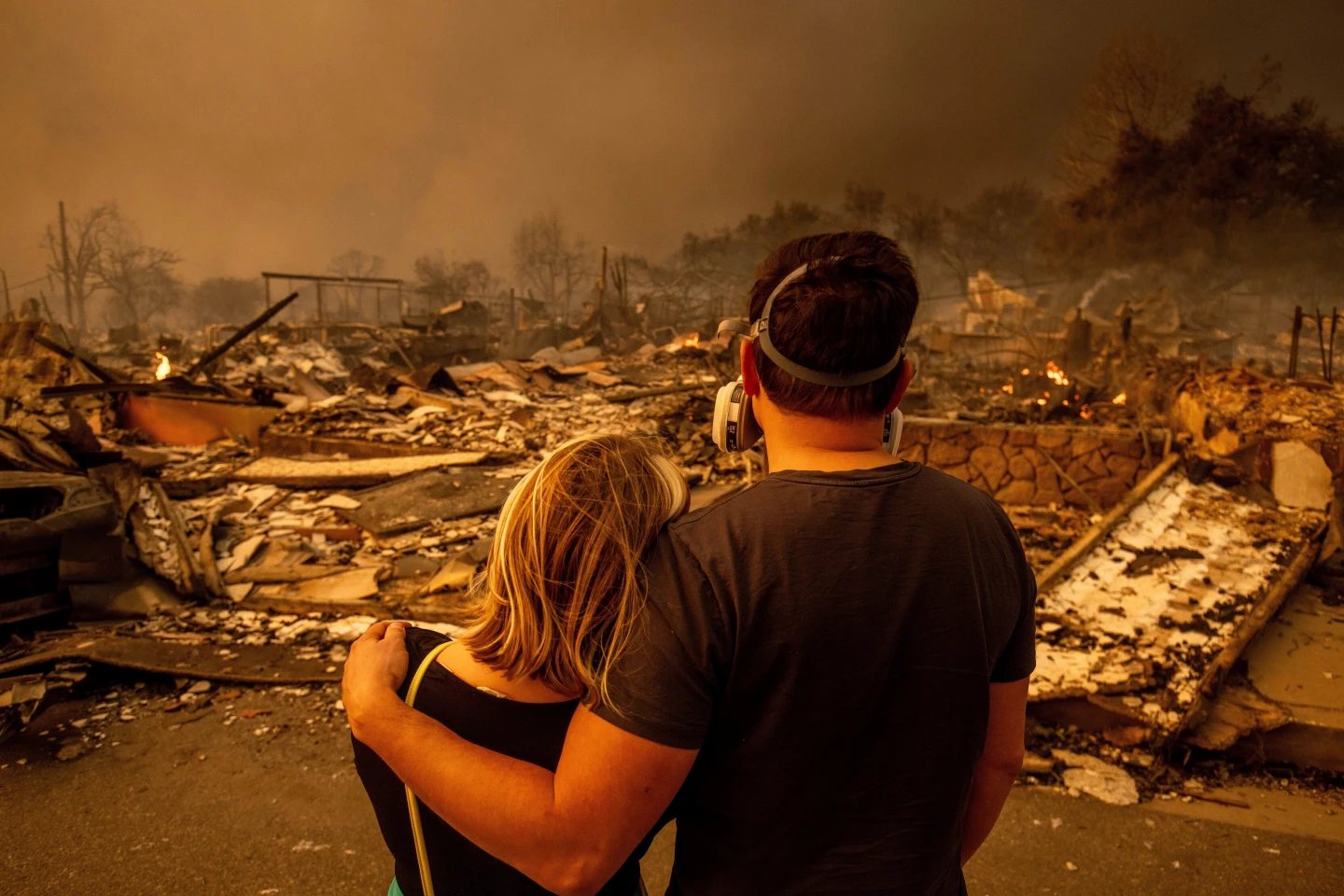
LOS ANGELES (AP) — An external audit into Los Angeles County's handling of the January wildfires has surfaced critical shortcomings in their emergency response efforts. The audit, commissioned shortly after the devastating fires that took more than 30 lives and destroyed thousands of homes, highlighted the county's outdated policies and severe resource deficiencies.
Conducted by the McChrystal Group, the Independent After-Action Report pointed out that these weaknesses significantly delayed evacuation alerts for residents in the hardest-hit areas, such as Altadena and Pacific Palisades.
Many residents reported receiving emergency alerts only after flames had already engulfed their homes. The report underscores a combination of outdated protocols, inconsistent emergency procedures, and communication failures that hampered the county's response effectiveness.
Significant staff vacancies within the sheriff's department and an under-staffed Office of Emergency Management contributed to the chaos. Moreover, first responders struggled with inconsistent and unreliable communication tools as well as unreliable cell service during the crisis.
Despite the challenges faced during these extraordinary circumstances, the report noted that first responders performed admirably under the pressure but emphasized the urgent need for improved training, well-defined policies, and more effective public communication mechanisms.
The Los Angeles County Board of Supervisors is set to review the 133-page report in their next meeting, with county officials clarifying that the intent is not to assign blame but to foster improvement in future emergencies.
This is not the first time similar issues have been pointed out in California's wildfire responses. Previous reviews of other major incidents, such as the Tubbs Fire and Camp Fire, have revealed comparable shortcomings in alert systems and emergency management practices.