José Antonio Bruña, a honey producer, stands on a hillside near Porto de Sanabria, reflecting on a summer marked by catastrophic wildfires. He recalls the lightning strike that ignited this nightmare, leading to the destruction of over 20,000 hectares of land and the evacuation of thousands of residents from rural villages.
This August has been a nightmare for me personally, but also for the local farmers and everyone here in the village, he states, adding that in his 47 years, he has never witnessed fires so intense.
The wildfires this summer salvaged only 0.8% of Spain’s surface area but ravaged agricultural regions such as Castilla y León and Galicia, disrupting the local economy. Honey production, a critical industry here, was devastated, with Mr. Bruña predicting a 50% reduction in production due to fire damage to essential bee flora.
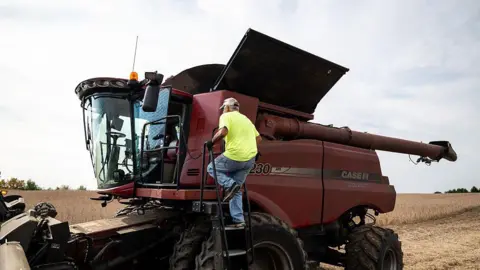
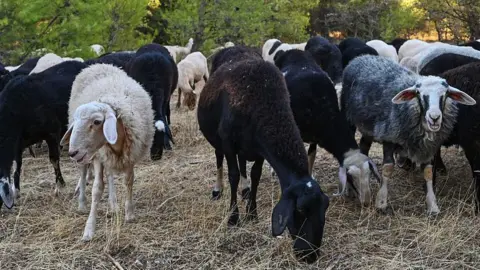
Many local farmers, including livestock ranchers like Fernando García, faced the brunt of the fires, resulting in the loss of cattle and severe financial strain. The national farmers' association estimates agricultural losses amount to at least €600 million. Additionally, tourism, vital to the Spanish economy, was decimated in regions such as Cádiz, affecting local businesses like that of Óscar David García López, who lost nearly €80,000 due to forced closures from the fires.
As the situation continues to unfold, experts signal a growing rift between urban and rural Spain. With 90% of the population residing in just 30% of the territory, rural areas face systemic challenges that exacerbate the fallout from these unprecedented wildfires. The indigenous sentiments of local residents illustrate their struggle for connectivity and support in the face of climate change threats.