
In brief
A recent dispute between bus companies in Aguas Calientes has led to the stranding of 1,400 tourists at Machu Picchu, Peru's iconic UNESCO World Heritage site. Consettur, the longtime bus provider, faces challenges from a rival firm following an alleged insufficient bidding process for service contracts. As protests erupt and legal battles ensue, stakeholders emphasize the need for improved transport services and local community support.
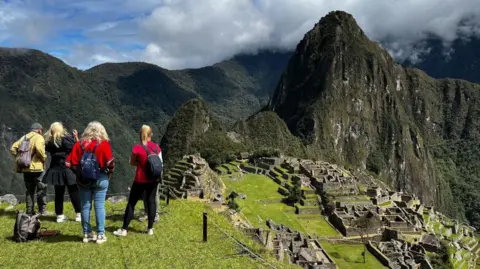
Machu Picchu, the remains of a 15th Century Inca city, is Peru's most popular tourist destination, and a Unesco world heritage site. Yet a continuing dispute over the buses that take visitors up to the mountain-top site recently saw some 1,400 stranded tourists needing to be evacuated.
Cristian Alberto Caballero Chacón is head of operations for bus company Consettur, which for the past 30 years has transported some 4,500 people every day to Machu Picchu from the local town of Aguas Calientes. The journey takes only 20 minutes; otherwise, visitors face a grueling two-hour hike.
However, tensions have escalated as Consettur recently lost its license to a rival bus firm due to allegations of an unfair bidding process. This has sparked protests, with local residents blocking railway lines to express their dissatisfaction with the changes.
The complicated logistics of reaching Machu Picchu often catch tourists off guard. They must first take a train to Aguas Calientes, a journey taking anywhere from two to three and a half hours, before transferring to a bus for the final leg of their trip.
In the midst of the conflict, local voices, including mayor Elvis La Torre, have called for greater revenue allocation from entry ticket sales to support community development. Only 10% of the ticket sales stay in the region, La Torre lamented, underscoring the need for improvements in local infrastructure and services.
As dispute and competition for transport grow, many stakeholders wish to see a more unified approach to handling tourism in the region, emphasizing cooperation rather than conflict.


