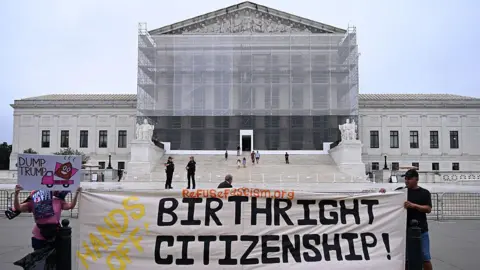
WASHINGTON (AP) — The U.S. Supreme Court has decided to hear an appeal from President Donald Trump regarding his executive order on birthright citizenship. This controversial order asserts that children born in the United States to parents who are illegally present or on temporary visas are not entitled to citizenship rights.
This case, originating from New Hampshire, challenges a lower court's ruling that struck down Trump's citizenship restrictions. The Supreme Court is expected to hear arguments in the spring, with a ruling anticipated by early summer.
Trump's birthright citizenship order, signed on January 20 during his second term, aims to reshape the interpretation of the 14th Amendment, which guarantees citizenship to those born on U.S. soil, with limited exceptions for children of foreign diplomats. Over 125 years of precedent could be overturned if the Court sides with Trump's administration.
Lower courts have repeatedly blocked the implementation of this order, labeling it unconstitutional. A federal judge last July issued a nationwide injunction in a class action lawsuit, deeming that every lower court has indicated the order likely violates constitutional protections.
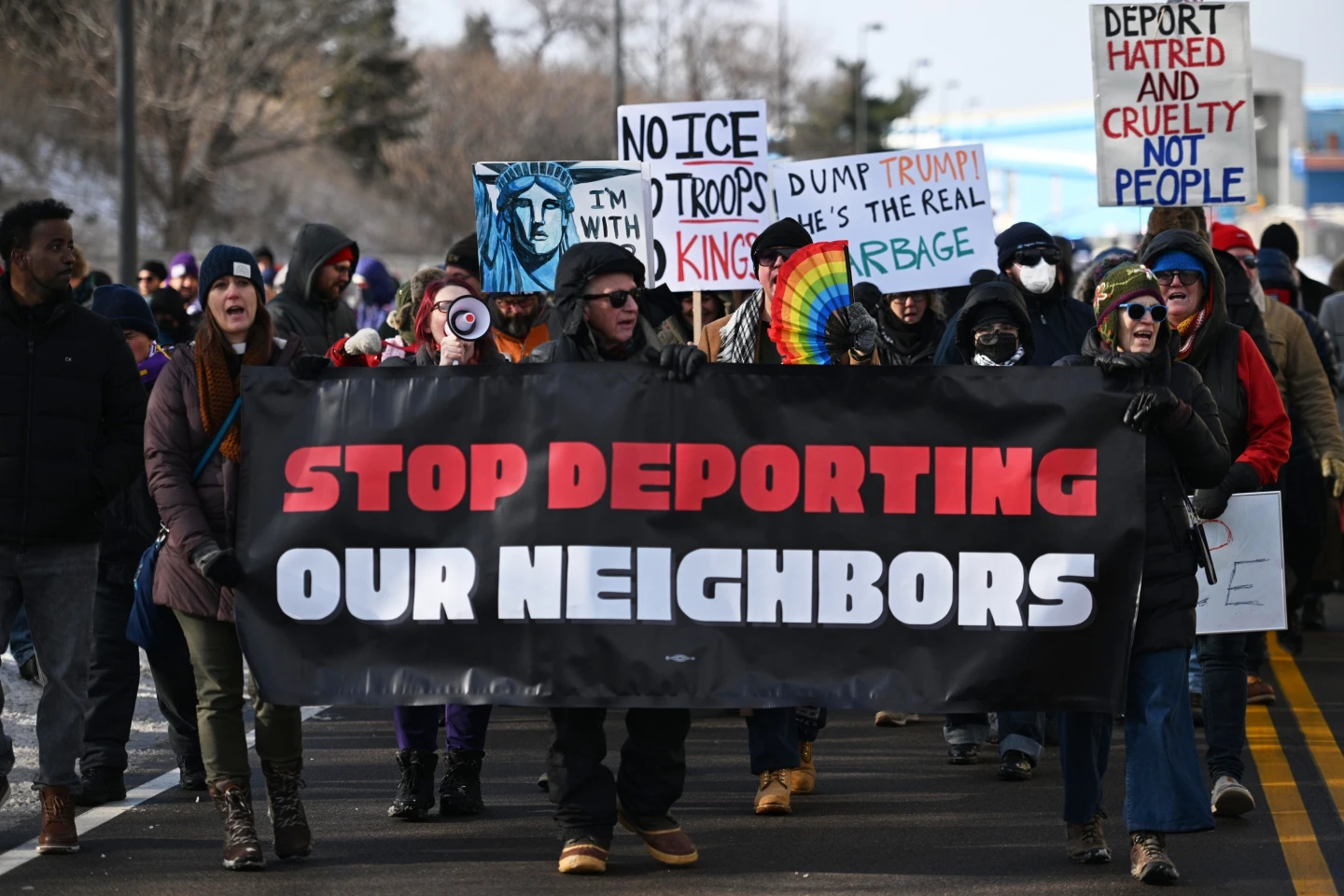
In addition to the citizenship issue, the Supreme Court is also faced with various appeals concerning immigration enforcement tactics, including an administration request to deploy National Guard troops for immigration actions, which has also been met with legal challenges.
The implications of this case could lead to significant changes in how citizenship is defined and enforced in America, sparking extensive debate and possible dissent among various states and political factions.