
In brief
Elizabeth Tsurkov, a 39-year-old Israeli-Russian doctoral student, was held captive for 903 days in Iraq. In a recent interview, she detailed the brutal torture she suffered, including electrical shocks and physical abuse. After her release, she remains focused on her recovery while critically reflecting on the state of Iraq and Israel.
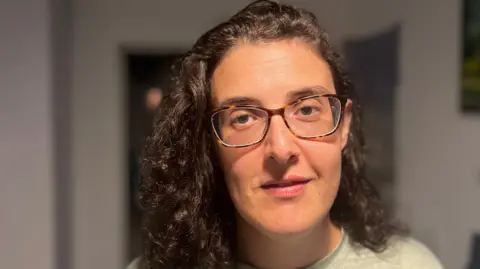
Elizabeth Tsurkov, an Israeli-Russian woman held captive for two and a half years by militants in Iraq, has opened up about her traumatic experience. In a candid interview with the BBC, Tsurkov shared how she was subjected to extreme torture in a bid to survive.
After being kidnapped in March 2023 while conducting field research for her PhD, Tsurkov reports being subjected to brutal treatment for 100 consecutive days, which included electric shocks, sexual abuse, and physical assaults. She managed to survive by creating fictitious confessions in hopes of appeasing her captors and mitigating the torture.
'I had to invent all sorts of conspiracy theories and false confessions about myself to survive,' she stated, describing how her captors' mindset led them to believe that foreigners were spies. Her ordeal came to an end only after significant political pressure was exerted, resulting in her release in September.
Now recovering in Israel, Tsurkov reflects on the political dynamics in Iraq and expresses concern over the rising influence of Iran-backed militias. She remains committed to completing her academic pursuits at Princeton, despite her traumatic past. Tsurkov’s story not only highlights individual resilience but also raises pressing questions about security and human rights in volatile regions.
